
Main Courses
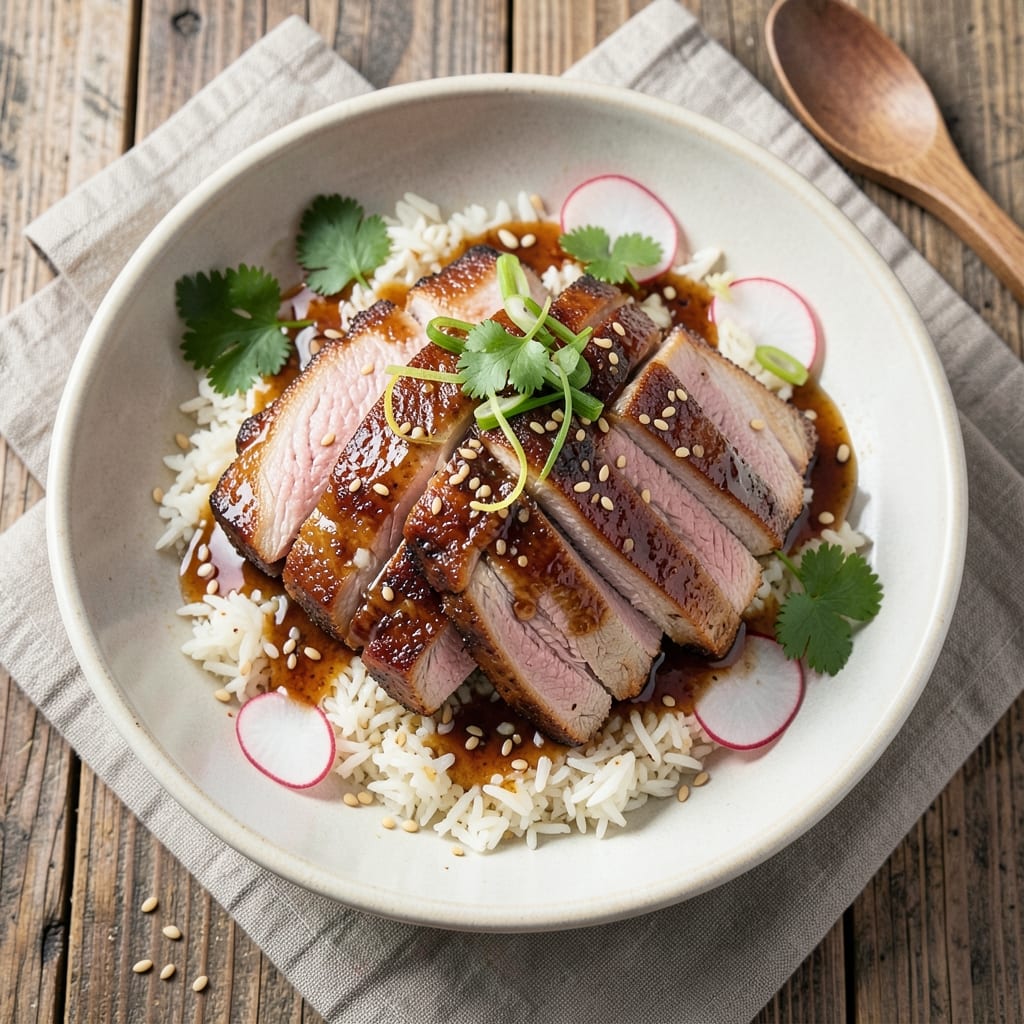
This Bo ssam pork recipe delivers crispy, marinated pork bites wrapped in fresh lettuce with a zesty peanut-sesame dipping sauce—an authentic Korean dish that’s as satisfying as it is elegant. After perfecting this technique through years of cooking Korean comfort food, I’ve refined the marinade to achieve that signature crispy texture while keeping the pork juicy inside. The ssamjang sauce, with its nutty, tangy balance, is the star that ties everything together.
The key to this recipe lies in the marinade—soy sauce, sesame oil, and a touch of sugar create a sticky, flavorful crust when grilled or pan-fried. Thinly sliced pork tenderloin ensures even cooking and maximum crispiness, while the lettuce wraps add a refreshing contrast. I’ve included optional fillings like kimchi and shredded carrots to customize your bites, making this dish both restaurant-quality and adaptable for any meal.
What you’ll end up with is a plate of golden, crispy pork wrapped in crisp lettuce leaves, each bite bursting with savory, nutty, and slightly sweet flavors. The ssamjang sauce adds another layer of complexity, balancing the richness of the pork with its tangy, umami depth. This dish is perfect for gatherings, weeknight dinners, or even a solo treat when you crave something bold and satisfying.
Serve with steamed rice, pickled vegetables, and a cold soju or makgeolli to complete the experience. The combination of textures and flavors makes this dish unforgettable—crispy, fresh, and deeply flavorful in every bite. Let’s get cooking!
Ingredients for bo ssam pork
Fresh pork, crispy lettuce, and nutty peanut sauce—this Korean classic comes together with just 15 ingredients.
| Ingredient | Amount | Notes |
|---|---|---|
| Pork Tenderloin 🥩 | 1 ½ lb | Thinly sliced against grain |
| Soy Sauce 🥢 | ½ cup | Korean or Japanese preferred |
| Sesame Oil 🫒 | 2 tbsp | Toasted for aroma |
| Granulated Sugar 🍚 | 2 tbsp | White or brown |
| Garlic Cloves 🧄 | 4 cloves | Minced for marinade |
| Fresh Ginger 🌿 | 1 tbsp | Grated, fresh preferred |
| Vegetable Oil 🫒 | ¼ cup | For frying |
| Butter Lettuce 🥬 | 1 head | Large leaves for wrapping |
| Peanut Butter 🥜 | ½ cup | Creamy, unsweetened |
| Sesame Seeds 🌱 | 2 tbsp | Toasted, for garnish |
| Soybean Paste 🥫 | 2 tbsp | Or sub 1 tbsp miso paste |
| Carrots 🥕 | 1 medium | Shredded for filling (about 0.5 cup) |
| Kimchi 🥬 | ½ cup | Optional filling |
| Green Onions 🧅 | 3 whole | Thinly sliced |
| Salt 🧂 | 1 tsp | Kosher or sea salt |
The pork tenderloin is your star here. Look for a center-cut piece—it stays juicy when sliced thin. I grab mine from the Asian market where they often have it pre-sliced for ssam, but the butcher counter will do too. If you're slicing yourself, cut against the grain for maximum tenderness. The soy sauce should be Korean-style (like Gochujang brand) if you can find it—it's got that deeper umami punch. For sesame oil, toasted is non-negotiable—it adds that nutty aroma that makes this dish sing.
No peanut butter? Almond butter works in a pinch, though it's a little thinner. Running out of kimchi? Pickled radish or extra green onions add that tangy crunch. The carrots can be baby carrots if that's what's in the fridge—just shred them fine. For the ssamjang sauce, substitute miso paste if you can't find soybean paste, but reduce the sugar slightly since miso's already salty. Fresh ginger loses its kick fast, so buy it small and use it up—or grab the jarred kind if you're in a hurry. The butter lettuce? Big, crisp leaves are key—avoid the wilted ones at the store's edge.
Marinated pork keeps 2 days in the fridge, but it's best used fresh. The ssamjang sauce will last 1 week in the fridge, though it tastes even better after flavors meld overnight. I portion the lettuce leaves in a sealed container with paper towels to keep them crisp. The whole dish reheats beautifully—just warm the pork and sauce, then assemble fresh lettuce wraps. Leftovers? Freeze the pork and sauce separately for up to 3 months—they thaw and crisp right up.
Why You'll Love This Recipe
- Foolproof Marination: I swear by the pork tenderloin—it’s lean, stays juicy, and absorbs that soy-sugar-garlic glaze like a sponge. Honestly, I just let it sit while I prep the rest of dinner, and boom, flavor locked in.
- Umami Bomb: That combo of soy sauce, sesame oil, and crushed garlic? It’s the kind of sweet-savory punch that makes you pause mid-bite. The sugar caramelizes just enough to give it this addictive edge—crispy outside, tender inside.
- Weeknight Workhorse: I’ve served this sliced over rice for lazy Mondays, chopped into lettuce wraps for lunch, even tossed cold in noodles when I’m too tired to cook. (Yes, even on a Tuesday night.)
- Budget Magic: Pork tenderloin is cheaper than you think, and this recipe stretches it further than you’d imagine. I make double batches—half for dinner, half for stir-fries later. Zero waste, maximum flavor.
Step-by-step instructions for crispy lettuce-wrapped pork bites
Here's how to create perfectly crispy pork that stays tender inside while developing that addictive crunch.
Marinate the Pork Tenderloin for Maximum Flavor
In a large bowl, combine the 0.5 cup soy sauce, 2 tbsp sesame oil, 2 tbsp granulated sugar, 4 minced garlic cloves, and 1 tbsp grated fresh ginger. Mix until the sugar dissolves completely. Add the 1.5 lb pork tenderloin, making sure it's fully submerged in the marinade. Cover and refrigerate for at least 4 hours—overnight is even better if you can plan ahead.
This marinating time is crucial for two reasons: first, the acidity in the soy sauce begins to tenderize the meat, and second, the sugar starts caramelizing on the surface, which will contribute to that crispy texture later. I like to give it a gentle stir every couple of hours to ensure even coating. If you're short on time, at least 2 hours will help, but don't rush this step—it makes all the difference in flavor penetration.
Slice and Fry the Pork for Perfect Crispiness
Remove the pork from the marinade (reserve the marinade for later) and slice it thinly against the grain into ¼-inch thick strips. Heat 0.25 cup vegetable oil in a large skillet over medium-high heat until shimmering—you should see small bubbles forming around the edges. Working in batches to avoid crowding, fry the pork for 2-3 minutes per side until golden brown and crispy. The pork should be cooked through but still juicy inside.
Here's the thing—I press down gently on the pork strips during the first minute of frying. This prevents them from curling and ensures even contact with the hot oil. You'll know they're ready when they release easily from the pan and have developed a beautiful golden crust. Transfer the cooked pork to a paper towel-lined plate to drain excess oil, but leave it warm for the next step.
Prepare the Peanut-Sesame Sauce
In a small saucepan, combine the reserved marinade, 0.5 cup peanut butter, 2 tbsp soybean paste, and 1 tsp salt. Cook over low heat, stirring constantly with a silicone spatula, until the mixture becomes smooth and slightly thickened—about 3-4 minutes. Remove from heat and let it cool slightly. The sauce should be thick enough to coat the back of a spoon but still pourable.
This sauce is where all the magic happens. The peanut butter adds richness while the soybean paste deepens the umami flavor. If the sauce seems too thick when cooled, you can thin it slightly with 1-2 teaspoons of hot water. Taste it and adjust the seasoning if needed—sometimes you might want a touch more soy sauce for saltiness or a bit of sugar to balance the flavors.
Assemble the Lettuce Wraps
Separate the leaves from the 1 head butter lettuce, discarding the tough outer leaves if needed. Keep the largest, most tender leaves for wrapping. In a small bowl, mix together the 0.5 cup shredded carrots, 0.5 cup kimchi, and 3 thinly sliced green onions. Divide this vegetable mixture evenly among the lettuce leaves.
Place 2-3 pieces of the crispy pork on each lettuce leaf, then drizzle with the peanut-sesame sauce. Sprinkle with 2 tbsp sesame seeds for that final crunchy texture. Here's a pro tip: don't overfill the lettuce leaves. You want them to wrap around the filling easily without tearing. The butter lettuce should be crisp enough to hold its shape while adding a refreshing contrast to the rich pork and sauce.
Serve Immediately for the Best Experience
Gently wrap each lettuce leaf around the filling, folding the sides in to create neat little packets. Serve immediately while the pork is still crispy and warm. The contrast between the cool, crisp lettuce and the warm, savory pork makes each bite incredibly satisfying. If you need to serve ahead of time, keep the components separate and assemble just before eating to maintain that perfect texture.
For an extra touch, I like to serve these with a side of extra peanut sauce for dipping or a sprinkle of additional sesame seeds on top. The key to great bo ssam pork is balancing all the elements—crispy pork, creamy sauce, fresh vegetables, and that perfect lettuce wrap. Once you master this technique, you'll have a restaurant-quality dish that's actually easier to make at home!
Pro Tips For Making Bo Ssam Pork
- Slice Thin, Cook Fast: Pork tenderloin’s lean nature means it dries out fast—cut it against the grain into ¼-inch slices, not the usual ½-inch. High heat for 2-3 minutes per side seals the juices before they escape, giving you that signature tender yet slightly charred texture. (Yes, even if you’re impatient like me, don’t rush this part.)
- Minced Garlic, Not Chopped: I used to chop garlic for this recipe and wondered why the flavor felt muted. Now I pulse it in a food processor for 3-4 seconds—just until it’s a rough paste. This releases more aroma and blends seamlessly into the sauce without clumps. (Your future self will notice the difference.)
- Deglaze with Soy First: After searing the pork, immediately pour in half the soy sauce and let it bubble for 30 seconds before adding sugar or sesame oil. This pulls all the browned bits (the flavor gold) off the pan, giving the sauce depth instead of a thin, one-dimensional glaze. (Sounds weird, but it works.)
- Rest Before Serving: Pile the cooked pork onto a plate, tent loosely with foil, and let it sit for 5 minutes. The residual heat finishes cooking the edges while the juices redistribute—no one wants dry, overworked pork. (I skip this when I’m lazy, but the dish is noticeably better when I don’t.)
Perfect pairings for bo ssam pork
Classic Side Pairings
Steamed jasmine rice is my go-to accompaniment—its mild, slightly floral notes balance the rich, nutty flavors of the ssamjang sauce. I serve about 1 cup per person, keeping the grains separate from the lettuce wraps to avoid sogginess. For extra authenticity, try bokkeumbap (Korean fried rice) with a fried egg on top—it soaks up any leftover sauce beautifully. 🥢
Pickled Vegetables
Korean danmuji (pickled radish) or kkakdugi (cubed radish) adds a bright, tangy contrast that cuts through the richness. I like to serve a small bowl of these alongside the wraps—just ½ cup per person is perfect. The acidity also helps cleanse your palate between bites. For a quick substitute, thinly slice cucumbers and toss with 1 tbsp rice vinegar, ½ tsp sugar, and a pinch of salt.
Drink Pairings
A chilled soju (like Chum Churum or Jinro) is the traditional choice—its clean, crisp profile complements the dish without overpowering. For non-alcoholic options, makgeolli (sweet rice wine) adds a creamy, fermented depth. I also love pairing this with a green tea like jasmine or sencha—the subtle bitterness balances the dish's richness. 🍶
Extra Sauce Station
Set out a small bowl of leftover ssamjang sauce for dipping—it’s a game-changer! I also add a side of spicy gochujang sauce (mix 2 tbsp gochujang, 1 tbsp honey, and 1 tsp sesame oil) for guests who crave heat. A sprinkle of toasted sesame seeds on the table adds an aromatic finishing touch that elevates the whole experience.
Garnish Upgrade
Fresh cilantro leaves or thinly sliced scallions add a pop of color and freshness. I like to scatter them over the assembled wraps right before serving—just 2 tbsp per plate is enough. For a smoky element, lightly toast 1 tsp smoked paprika and sprinkle it over the sauce. This simple touch makes the dish feel even more restaurant-worthy.
Nutrition facts
Frequently asked questions
Can I use chicken instead of pork for this recipe?
Chicken works beautifully—just swap the pork tenderloin for 1.5 lb boneless, skinless chicken breast or thigh. Marinate it for the same 4 hours and slice it ¼-inch thick against the grain. Chicken breasts will give you a lighter texture, while thighs add more moisture. For extra crispiness, pat the chicken dry before cooking.
What if I don't have butter lettuce for the wraps?
No problem! Use romaine lettuce, iceberg lettuce, or even large cabbage leaves (like napa or savoy). For a Korean twist, try perilla leaves (kkaktaengi) if you can find them—they have a unique aroma. Just pick leaves that are large enough to hold the filling without tearing.
How do I make the ssamjang sauce thicker or thinner?
If the sauce is too thick, thin it with 1-2 teaspoons of hot water while stirring. For extra thickness, simmer it uncovered for 1-2 minutes to reduce. The ideal consistency should coat the back of a spoon but still be pourable. Pro tip: If using almond butter instead of peanut butter, you may need ½ teaspoon more soy sauce to balance the flavor.
Can I prepare this ahead of time for a party?
Yes! Marinate the pork and make the ssamjang sauce 1 day ahead—both keep well in the fridge. Store the pork in its marinade and the sauce in an airtight container. On serving day, fry the pork fresh and assemble the wraps just before eating to maintain crispness. Keep lettuce leaves separate until ready to use, wrapped in a damp paper towel to stay fresh.
What's the secret to getting the pork extra crispy?
Three key tricks:
- Pat the pork dry before frying to remove moisture,
- Use a neutral oil with a high smoke point (like vegetable or canola), and
- Cook in a hot, dry skillet—don't overcrowd the pan. For next-level crispiness, broil the cooked pork for 1-2 minutes after frying. Also, frying in batches ensures even heat distribution.