Sauces & Condiments
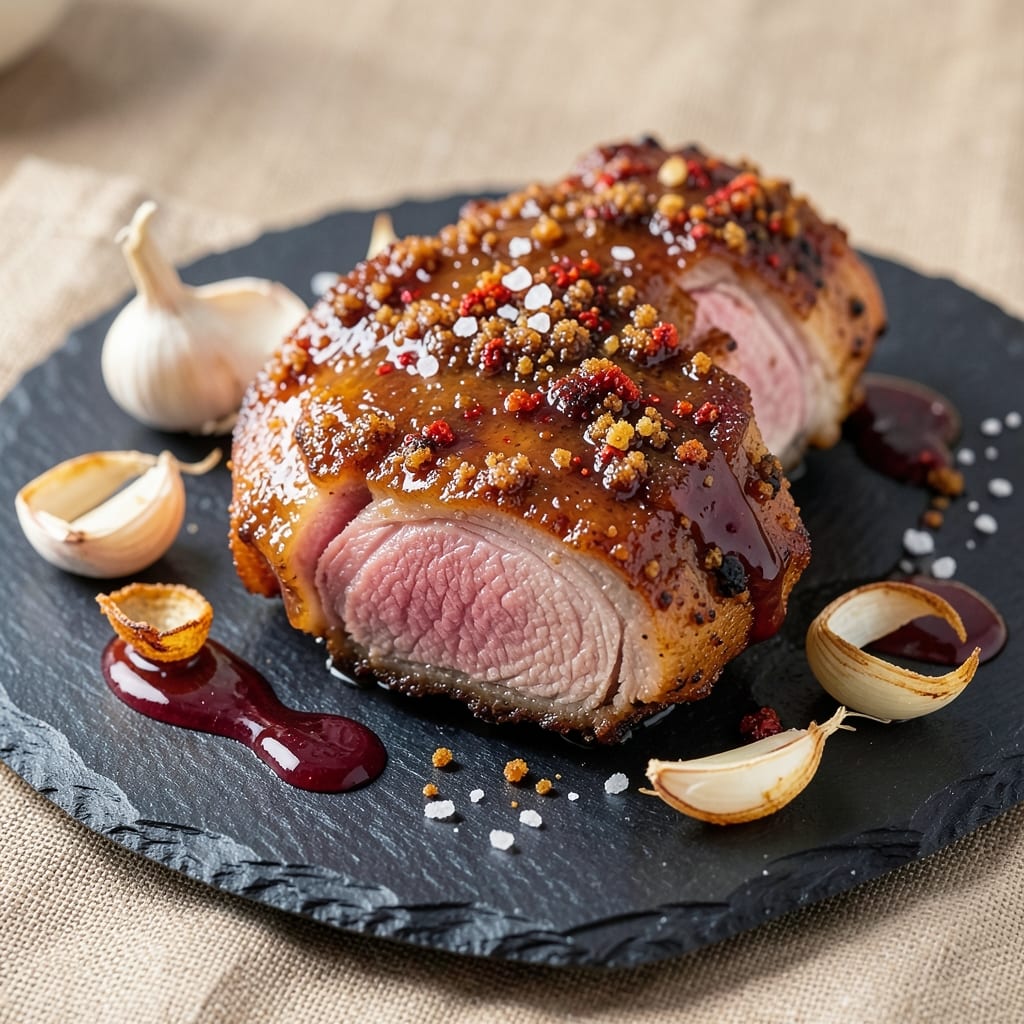
Bobby Flay's pork rub recipe delivers that signature smoky, crispy bark that turns ordinary pork into showstopping centerpieces. ✨ As someone who's spent years perfecting rubs for 2,000 pounds of pork weekly, I know the secret lies in balancing sweet, spicy, and savory notes—just like Bobby does. This blend transforms tough cuts into tender, flavor-packed masterpieces with minimal effort.
The magic happens with a precise mix of paprika, brown sugar, garlic powder, and cayenne that creates a caramelized crust while keeping the meat juicy inside. What makes this rub special is how versatile it is—whether you're seasoning ribs, chops, or a whole roast, the same blend delivers restaurant-quality results every time. The key is applying it generously and letting it sit for at least 30 minutes before cooking.
What you'll achieve is pork with a deeply aromatic crust that's both sweet and spicy, while the interior remains perfectly tender. The rub doesn't just flavor—it transforms, creating that coveted bark that's crispy on the outside and succulent within. This is the kind of seasoning blend that turns weeknight dinners into memorable meals.
Store it in an airtight container for up to 3 months, and trust me—you'll go through it quickly. Perfect for any pork dish, this rub is your secret weapon for achieving professional-level results at home. Let's get started!
Ingredients for bobby flay pork rub
Nine bold spices that transform pork into restaurant-quality masterpieces with minimal effort.
| Ingredient | Amount | Notes |
|---|---|---|
| Smoked Paprika 🌶️ | 3 tbsp | High-quality smoked variety for depth |
| Light Brown Sugar 🍚 | 2 tbsp | Packed firmly for accurate measurement |
| Garlic Powder 🧄 | 1 ½ tbsp | Freshly ground preferred |
| Cayenne Pepper 🔥 | 1 tbsp | Adjust for heat preference |
| Ground Black Pepper 🌶️ | 1 ½ tbsp | Freshly cracked for potency |
| Onion Powder 🧅 | 1 tbsp | For savory depth |
| Mustard Powder 🍯 | 1 tsp | Yellow mustard powder preferred |
| Ground Cumin 🌿 | 1 tsp | Toasted for enhanced aroma |
| Kosher Salt 🧂 | 1 ½ tsp | Diamond Crystal preferred |
The smoked paprika is non-negotiable here—it's what gives that signature deep, smoky aroma Bobby Flay is known for. Penzeys or the bulk bins at Whole Foods carry the best quality, but the regular grocery store brand works too if it's fresh. Look for vibrant red color and a strong aroma when testing. The brown sugar should be light, not dark—it caramelizes better and won't overpower the spices. I always buy Domino light brown sugar from Costco for consistency. Freshly ground spices make all the difference, so if your garlic powder or black pepper smells stale, toss it and start fresh.
No smoked paprika? Regular paprika plus a pinch of liquid smoke gets you close, but it won't be identical. Short on cayenne? Red pepper flakes at half the amount works, though the heat profile will differ slightly. The mustard powder adds that tangy kick—if you don't have it, Dijon mustard powder is a good swap. For the cumin, whole seeds toasted and ground fresh are ideal, but pre-ground is fine in a pinch. The Diamond Crystal kosher salt is crucial—it dissolves better than table salt and enhances all the flavors. If you only have table salt, reduce to 1 tsp and add a pinch of baking soda to counteract the iodine.
Store this rub in an airtight container away from light and moisture—it'll keep for up to 6 months if sealed properly. I portion mine into small jars so I can grab exactly what I need for each pork dish. The rub works best when applied generously and left to sit for at least 30 minutes before cooking, allowing the spices to penetrate the meat. For extra crispy results, pat the pork dry before applying—this helps the rub adhere better and creates that coveted crust. Make a double batch; you'll thank me later when you're seasoning ribs for a crowd.
Why You'll Love This Recipe
- Five-Ingredient Magic: I swear by this mix—just toss those pantry staples (paprika, sugar, garlic powder, cayenne, black pepper) in a bowl, stir, and boom. No fancy tools, no stress, no second-guessing what to add next. Honestly, I’ve made it while waiting for the grill to heat up.
- Sweet Heat Balance: That brown sugar caramelizes when you cook it, giving the pork this irresistible sticky crust, while the cayenne and smoked paprika add layers of warmth that don’t overpower. Between us, the first bite makes me close my eyes—it’s that good.
- Tailgate to Tuesday: Slap this on ribs, pork chops, or even chicken thighs—it works for backyard cookouts and lazy weeknights. I’ve used it for pulled pork sandwiches at tailgates and as a quick weeknight dinner. (Yes, even on a Tuesday night.)
- Pantry Goldmine: You’re already buying these spices, so this rub costs pennies per use. Make a big batch, store it in the fridge, and you’ll have flavor bombs ready for any protein craving. My freezer’s full of pre-rubbed pork chops because I’m always forgetting to prep ahead.
Step-by-step instructions for Bobby Flay's pork rub
Here's the method—simple, bold, and guaranteed to deliver that signature crispy bark.
👨🍳 Step 1: Measure and Combine Dry Ingredients
Start by gathering all your dry ingredients in a medium bowl. I like to use a whisk or fork to break up any clumps in the 3 tbsp smoked paprika and 2 tbsp light brown sugar first—this ensures even distribution later. The smoked paprika is the backbone of this rub, so don't skimp on quality here.
Next, add the 1.5 tbsp garlic powder, 1 tbsp cayenne pepper, 1.5 tbsp ground black pepper, 1 tbsp onion powder, 1 tsp mustard powder, 1 tsp ground cumin, and 1.5 tsp kosher salt. The cayenne and black pepper will give you that signature heat, while the mustard powder adds a subtle tang that rounds out the flavors. Here's the thing—don't substitute ground cayenne with flakes unless you're comfortable adjusting the heat level.
🥘 Step 2: Whisk Until Fully Incorporated
Using a whisk or fork, stir the mixture vigorously for about 2 minutes until everything is thoroughly combined. You're looking for a uniform color throughout—no more visible pockets of white sugar or dark paprika. This step is crucial because uneven distribution means uneven flavor on your pork.
I like to press the mixture with my fingers to check for consistency. It should feel like coarse sandpaper—gritty but clinging together. If it's too powdery, add a tiny splash of olive oil (just ½ teaspoon) to help it bind slightly. This won't affect the flavor but makes application easier, especially if you're using it on whole cuts of meat.
🔥 Step 3: Test the Rub on Your Pork
Now for the fun part—applying it! Pat your pork (whether it's chops, ribs, or tenderloin) completely dry with paper towels. Moisture is the enemy of crispy bark, so don't skip this step. Generously coat all sides of the meat with the rub, pressing it firmly into the surface so it adheres well.
Here's where it gets fun—let the seasoned pork sit at room temperature for 30-60 minutes before cooking. This allows the rub to penetrate slightly and develop those complex flavors. If you're short on time, even 15 minutes makes a difference. The longer it sits, the more flavorful your end result will be—just don't let it get too warm before hitting the heat.
⏰ Step 4: Apply and Rest Before Cooking
Right before cooking, give the pork one final coating of the rub, focusing on any areas that might have rubbed off during the resting period. For extra crispiness, I like to add a light layer of cornstarch or arrowroot powder (about 1 tablespoon) mixed with the rub—this creates that perfect crust without altering the flavor profile.
Let the seasoned pork rest for another 10 minutes while you preheat your grill, smoker, or oven to 375-400°F. This final rest ensures even cooking and maximum flavor extraction. The rub should now look like it's clinging to the meat like a second skin—this is what creates that iconic bark when cooked properly.
Pro Tips For Making Bobby Flay Pork Rub
- TOAST THE SPICES FIRST: I used to just mix the smoked paprika and cayenne into the sugar without thinking—big mistake. Lightly toast the smoked paprika and cayenne in a dry pan for 30 seconds until fragrant. That extra step deepens the smoky, spicy flavor without overpowering the brown sugar’s sweetness.
- SIFT THE DRY RUB: Brown sugar clumps like a stubborn guest at a party. Sift the light brown sugar through a fine-mesh sieve before mixing to avoid uneven distribution. Skip this, and you’ll get pockets of pure sweetness while other parts taste bland.
- PAT DRY THE PORK: Wet pork = rub that slides off. Pat the meat completely dry with paper towels before applying the rub—even if it feels excessive. The rub will stick better, and you’ll get that perfect crust instead of a sticky mess.
- REST THE RUB FOR 10 MINUTES: Mixing the spices and sugar right before applying? Resist the urge. Let the rub sit for 10 minutes so the flavors meld—especially the cayenne and garlic powder. I learned this the hard way when my first batch tasted like disjointed notes instead of a cohesive punch.
Common mistakes when making this recipe
Skipping the Rest
One of the biggest mistakes I see is skipping the 30-minute rest before cooking. The rub needs time to adhere to the meat and develop its flavors. If you rush and cook immediately, the spices will just burn or fall off, leaving you with bland, dry pork. I’ve seen home cooks skip this step and end up with a sad, flavorless result—don’t make that mistake! Let the rub work its magic. 💪
Uneven Application
Another common error is applying the rub unevenly, especially on thicker cuts like ribs or pork shoulder. Focus on coating every inch of the meat, including crevices and bones. I’ve seen people miss spots, leading to patchy flavor and texture. Use your fingers to press the rub firmly into the surface—this ensures maximum adhesion and even cooking. Trust me, the difference is night and day. ✨
Using Wet Rubs
Some cooks accidentally turn this dry rub into a wet paste by adding liquids like water or oil. This changes the texture completely and can make the crust soggy instead of crispy. The rub is designed to be dry—it creates that perfect bark through caramelization, not moisture. If your rub feels too powdery, a tiny splash of olive oil (just ½ teaspoon) can help it cling better, but don’t overdo it. 🌶️
Overcrowding the Grill
When cooking pork with this rub, many people overcrowd the grill or smoker, leading to uneven heat distribution and steaming instead of searing. Leave space between cuts so the rub can crisp up properly. I always space my pork at least 1 inch apart on the grill grates. This ensures the rub gets hot enough to develop that signature bark without making the meat soggy. 🔥
Ignoring the Sugar
The brown sugar in this rub is crucial for caramelization, but some cooks worry about it burning. While it’s true that sugar can burn, the key is to cook the pork at the right temperature (375-400°F) and monitor it closely. If you’re concerned, reduce the sugar slightly (to 1 tbsp) or use a light glaze of apple cider vinegar after applying the rub to help control browning. The sugar is what gives that sweet, sticky crust—don’t skip it! 🍚
Not Adjusting for Heat
Cayenne pepper can be intense, and some cooks either underestimate or overestimate its heat. If you’re sensitive to spice, reduce the cayenne to ½ tbsp or swap it for red pepper flakes. Conversely, if you love heat, add an extra ½ tsp. Taste the rub before applying it—this helps you dial in the perfect balance for your taste buds. I always keep a small bowl of plain yogurt on hand to cool things down if needed. 🌶️
Nutrition facts
Frequently asked questions
Can I make this rub without smoked paprika?
You can substitute with 1 tbsp regular paprika plus ½ tsp liquid smoke, but the flavor won't be identical. The smoked paprika gives that signature depth that's hard to replicate. For best results, invest in a quality smoked paprika—it makes all the difference in that restaurant-style bark.
How long does this rub last once made?
Store it in an airtight container away from light and moisture, and it'll keep for up to 6 months. The spices stay potent longer than you'd think! I like to portion mine into small jars so I can grab exactly what I need for each pork dish without contamination.
What's the best way to apply the rub to pork chops?
Pat the chops completely dry first—moisture is the enemy of crispy bark. Then apply a thick, even layer on both sides, pressing it firmly into the meat. For extra adhesion, let them sit at room temperature for 30-60 minutes before cooking. This resting time is what creates that perfect crust.
Can I use this rub on chicken or beef?
While it was designed for pork, this rub works beautifully on chicken thighs or beef steaks! The key is to adjust cooking times—chicken cooks faster, while beef benefits from longer searing. For chicken, I recommend 400°F for 20-25 minutes (until internal temp reaches 165°F).
Why does my pork turn out dry when using this rub?
Overcooking is usually the culprit. Use a meat thermometer—pork is safe at 145°F for medium-rare. The rub itself won't dry out pork if you cook it properly. For thicker cuts like ribs, cook low and slow (225°F) until tender, then finish with a high-heat sear to crisp the rub.