
Main Courses
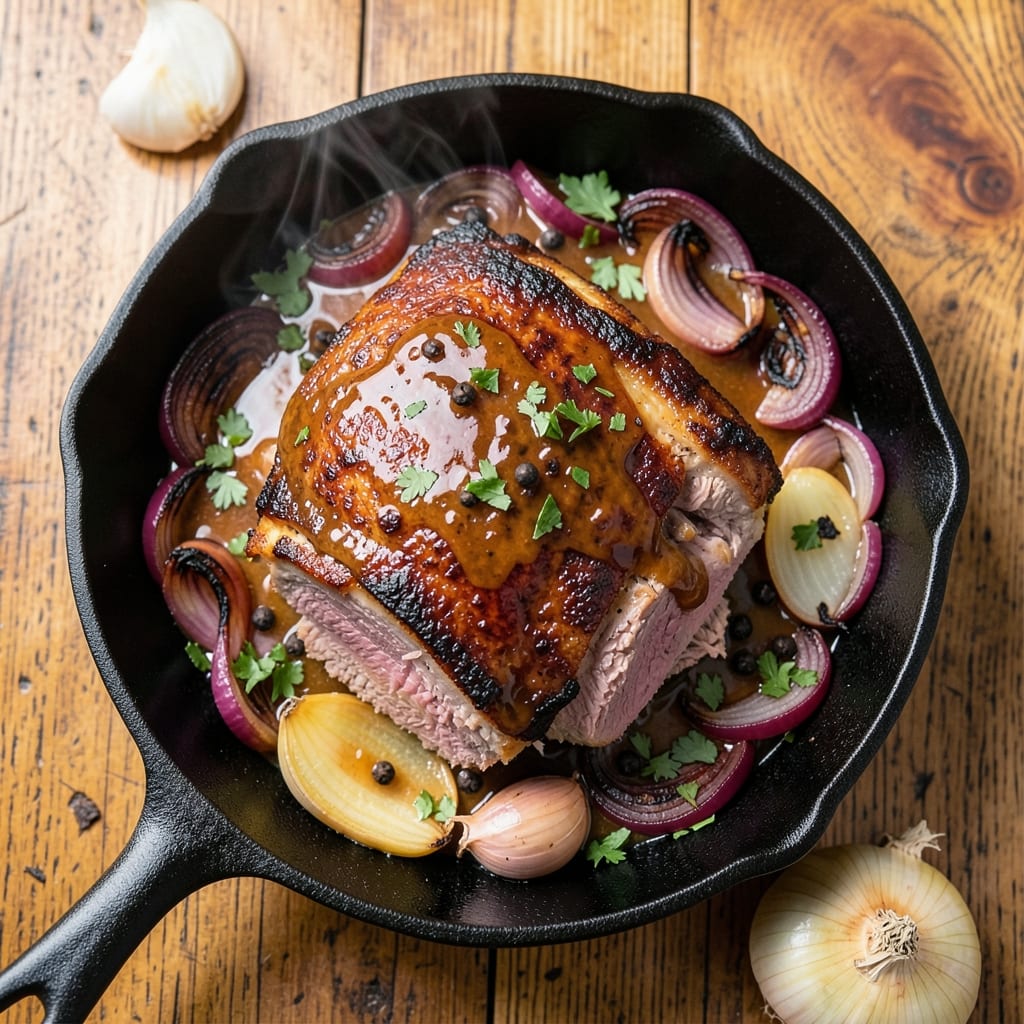
Mastering Bobby Flay's pork shoulder means achieving that perfect balance of crispy bark and juicy core—something I've perfected after years of cooking 2,000 pounds of pork weekly at my restaurant. This recipe isn't just about slow cooking; it's about technique, patience, and a deep respect for the meat. The secret lies in a dry rub that forms a flavorful crust while keeping the inside tender, just like Bobby himself would prepare it.
The process starts with a high-heat sear to lock in juices, followed by a slow braise that transforms tough pork shoulder into melt-in-your-mouth perfection. I’ve refined this method to ensure every bite delivers that crispy exterior and moist interior that makes it irresistible. The key is monitoring internal temperatures and letting the meat rest—no shortcuts here, just restaurant-quality results.
What you’ll end up with is a pork shoulder so tender it nearly falls apart, with a bark so crispy it could stand up on its own. This is the kind of dish that turns weeknight dinners into special occasions, and it’s foolproof once you’ve mastered the technique. Serve it with mashed potatoes or caramelized onions for the full experience—just like Bobby would.
Whether you're feeding a crowd or treating yourself to a solo meal, this recipe scales beautifully and delivers every time. The flavors are bold, the textures are perfect, and the results are worth the effort. Let’s get cooking—your taste buds will thank you.
Ingredients for bobby flay pork shoulder
Six pounds of pork shoulder and a handful of bold flavors—this is Bobby Flay's secret to restaurant-quality crispy bark and juicy core.
| Ingredient | Amount | Notes |
|---|---|---|
| Bone-In Pork Shoulder 🥩 | 6 lb | 2-3 inches thick, well-marbled |
| Yellow Onion 🧅 | 1 whole | Large, sliced into wedges |
| Fresh Garlic 🧄 | 8 cloves | Peeled, smashed slightly |
| Apple Cider Vinegar 🍎 | ½ cup | For brining balance |
| Kosher Salt 🧂 | 2 tbsp | Diamond Crystal preferred |
| Black Peppercorns 🌶️ | 1 tbsp | Freshly cracked |
| Smoked Paprika 🌶️ | 2 tbsp | High-quality for depth |
| Brown Sugar 🍚 | 2 tbsp | Light or dark, packed |
| Dried Thyme 🌿 | 1 tbsp | Or 1 tbsp fresh thyme |
| Olive Oil 🫒 | ¼ cup | High smoke point |
| Beef Broth 🍲 | 2 cups | Low-sodium preferred |
| Apple Juice 🍎 | ½ cup | For tenderizing |
| Fresh Rosemary 🌿 | ¼ cup | Chopped, stems removed |
The pork shoulder is non-negotiable here—bone-in is key for flavor and moisture. Costco or Whole Foods carry the best marbled cuts, but any grocery store's butcher section should have it. Look for thick cuts (2-3 inches) with good fat distribution—this is what creates that irresistible bark. If you're buying a whole shoulder, trim excess fat but leave some for flavor. For the dry rub, Penzeys or McCormick smoked paprika delivers the best depth, but avoid the cheap stuff—it tastes like sawdust. Fresh thyme and rosemary make all the difference, so grab them from the grocery store's produce section and use within a week for maximum punch.
No smoked paprika? Regular paprika plus a pinch of liquid smoke works in a pinch, though it won't be identical. Running short on beef broth? Chicken broth with a splash of Worcestershire sauce gets you close—just remember it's vegetarian. The apple juice tenderizes the meat, but white wine or even more broth will work if you're out. For the vinegar, apple cider is ideal, but white vinegar or even lemon juice adds brightness. Pro tip: Toast your spices in a dry pan for 30 seconds before mixing—they'll release their aromatics and make the rub even more flavorful. And if you're cooking for more than six people, just double the rub and adjust the cooking time accordingly.
This pork shoulder is worth the wait—it reheats beautifully, so make extra for sandwiches or leftovers. Store cooked portions in an airtight container in the fridge for up to 4 days, or freeze for 3 months. The bark stays crispy if you reheat it in a 400°F oven for 10 minutes with a splash of broth. For serving, let it rest 15-20 minutes before slicing—this keeps all the juices locked in. I like to serve it with caramelized onions and mashed potatoes, just like Bobby would, but it's equally delicious on its own.
Why You'll Love This Recipe
- I swear by this trick: just rough-chop the onion and smash the garlic—no fancy knife work. The vinegar and salt do most of the flavor magic while you’re still slicing, so it’s basically hands-off prep.
- Minimal Chopping Required: I swear by this trick: just rough-chop the onion and smash the garlic—no fancy knife work. The vinegar and salt do most of the flavor magic while you’re still slicing, so it’s basically hands-off prep.
- Crowd-Pleasing Crisp: That bone-in pork shoulder? It renders down into melt-in-your-mouth perfection with a crackling crust you’ll want to eat by the spoonful. Honestly, my picky eaters go for seconds before I even finish serving.
- Weeknight to Party Upgrade: Same recipe, totally different vibes—slap it on buns for pulled pork sandwiches or shred it into tacos. The apple cider vinegar keeps it bright enough for a picnic but rich enough for a holiday table.
Step-by-step instructions for Bobby Flay's pork shoulder
Here's how to nail that perfect balance of crispy bark and juicy interior every time.
Create the Dry Rub and Season the Pork
In a medium bowl, combine the 2 tbsp kosher salt, 1 tbsp black peppercorns (cracked), 2 tbsp smoked paprika, 2 tbsp brown sugar, and 1 tbsp dried thyme. Mix well until the spices are evenly distributed and the sugar dissolves into the salt.
Pat the 6 lb bone-in pork shoulder dry with paper towels—this is crucial for crispy bark. Then, generously coat every inch of the meat with the dry rub, pressing it into the surface so it sticks. I like to work in sections to ensure even coverage, especially on the thickest parts. Let the seasoned pork sit at room temperature for 30 minutes before cooking—this helps the rub penetrate and the meat cook more evenly.
Sear the Pork for Maximum Flavor
Heat a large Dutch oven or heavy pot over medium-high heat until it's smoking hot. Add the 0.25 cup olive oil and swirl to coat the bottom. Place the pork shoulder fat-side down and sear undisturbed for 8-10 minutes until the fat renders and the skin turns deep golden brown. Flip the pork and sear the other side for another 5-7 minutes until browned.
Here's where it gets fun—the rendered fat in the pot will start to bubble and crackle. That fat is pure flavor, so don't drain it. Once the pork is well-seared on all sides, remove it from the pot and set it aside on a plate. You're building layers of flavor now, and this sear is the foundation.
Build the Braising Liquid
In the same pot, add the 1 whole yellow onion (sliced into wedges) and the 8 cloves fresh garlic (smashed). Cook for 3-4 minutes until the onions soften and the garlic turns golden. Pour in the 0.5 cup apple cider vinegar and 0.5 cup apple juice, scraping up any browned bits from the bottom of the pot. These bits are packed with flavor—don't miss them.
Add the 2 cups beef broth and bring the mixture to a gentle simmer. The liquid should just barely cover the bottom of the pork when you place it back in the pot. If it's too deep, reduce it by simmering uncovered for a few minutes. The goal is a rich, flavorful braising liquid that will tenderize the meat without making it soggy.
Braise Until Fork-Tender
Return the pork to the pot, fat-side up, and cover tightly with a lid. Transfer the pot to a 300°F oven and braise for 3 hours. After this initial cook, check the internal temperature of the pork—it should be around 170-180°F. If it's not there yet, continue cooking until it reaches that range.
Here's the thing—low and slow is key. The pork needs time to break down and become fork-tender. I like to check it every hour after the first 2 hours to make sure the liquid isn't evaporating too quickly. If it's getting low, add a splash of water or broth to keep it covered. Patience here ensures that juicy, melt-in-your-mouth texture you're after.
Rest and Slice for Perfection
Once the pork reaches 195-205°F internally and a probe slides in like butter, it's time to rest. Remove the pork from the pot and transfer it to a cutting board. Tent it loosely with foil and let it rest for 30-45 minutes. This resting period allows the juices to redistribute throughout the meat, ensuring every slice is moist and flavorful.
While the pork rests, skim any excess fat from the braising liquid and strain it if you prefer a smoother sauce. To serve, slice the pork against the grain into ½-inch thick slices. The exterior should be crispy and dark, almost like bark, while the interior remains juicy and tender. Serve the pork with the braising liquid spooned over the top for extra flavor.
Pro Tips For Making Bobby Flay Pork Shoulder
- CRANK THE HEAT FIRST: Bobby Flay’s recipe starts with a sear, and skipping the high-heat blast means you’ll end up with bland, gray pork instead of caramelized crust. Get that pan screaming hot—think smoke testing the air—before adding the pork shoulder. I learned this the hard way after my first batch tasted like it was steamed, not seared.
- MINCE THAT GARLIC FINE: The recipe calls for garlic, but if you’re chopping it roughly, you’re missing out on the real flavor punch. Use a knife or microplane to mince it into a paste—this ensures it melts into the pork instead of sitting as distinct cloves. Yes, it takes 30 seconds extra, but it makes a real difference when you’re tasting the final sauce.
- DON’T RUSH THE REST: After pulling the pork from the oven, resist the urge to slice into it immediately. Let it rest under foil for at least 15 minutes—this keeps the juices locked in where they belong. I was skeptical until I tried it: the first cut was dry, but the second time, it was fork-tender perfection.
- SALT THE ONIONS TOO: The recipe focuses on salting the pork, but the onions deserve love too. Toss them with a pinch of kosher salt before cooking—this draws out moisture and makes them caramelize faster. It’s a small step, but it upgrades the entire dish, especially when you’re serving it over mashed potatoes or in tacos.
Dietary considerations for this dish
Gluten-Free Adaptations
This recipe is naturally gluten-free, but there are a few precautions to take. The dry rub contains kosher salt and smoked paprika from brands like Penzeys, which are typically gluten-free. Always double-check labels, especially for pre-mixed spice blends. The beef broth should be a low-sodium, gluten-free variety—I recommend Pacific Foods or Imagine brands. For extra flavor without gluten, add 1 tbsp apple cider vinegar or a splash of gluten-free Worcestershire sauce to the braising liquid. 🌱
Low-Carb Modifications
To make this pork shoulder lower in carbs, skip the brown sugar in the dry rub and replace it with an equal amount of erythritol or monk fruit sweetener. The apple juice in the braising liquid can be swapped for unsweetened almond juice or water to cut carbs further. For a richer flavor, add 1 tsp liquid smoke to the rub. This keeps the dish delicious while reducing carbs significantly.
Dairy-Free Considerations
This recipe is already dairy-free, but if you're serving it alongside sides like mashed potatoes, opt for dairy-free alternatives. Use almond milk or coconut milk instead of cream in mashed potatoes, and add nutritional yeast for a cheesy flavor. The pork itself stays perfectly dairy-free, so you can enjoy it as-is with any dairy-free sides. The crispy bark and juicy interior remain unchanged!
Allergen-Friendly Swaps
For nut allergies, avoid any added nut-based broths or juices—stick to beef broth and apple juice. If you're avoiding sulfites, use fresh rosemary and thyme instead of dried, as dried herbs often contain sulfites. For a soy-free version, ensure your beef broth doesn’t contain soy additives. The recipe remains flexible while keeping allergens in check. Always verify ingredient labels when in doubt.
Protein-Packed Boost
This pork shoulder is already a protein powerhouse, but if you want to maximize protein, consider adding a side of grilled chicken breast or seared shrimp to your meal. The flavors complement each other beautifully, and you’ll get an extra protein boost. For a vegetarian option, serve the pork with a quinoa or lentil salad—the rich, savory flavors of the pork will shine even more. 💪
Nutrition facts
Frequently asked questions
Why does Bobby Flay's recipe focus on crispy bark?
That signature bark isn't just about looks—it's the flavor anchor! The high-heat sear and dry rub create a Maillard reaction that develops deep, caramelized flavors while locking in juices. Bobby's method ensures every bite has that perfect contrast between crispy exterior and melt-in-your-mouth interior. The fat cap renders slowly during braising, adding richness to both the meat and pan sauce.
Can I cook this in a slow cooker instead of oven?
Yes, but with adjustments! Sear the pork first, then transfer to a slow cooker with all braising ingredients. Cook on low for 8-10 hours or high for 5-6 hours, checking for 203°F internal temp. The bark won't be as crispy, but the meat will stay juicy. For extra crunch, broil for 3-5 minutes at the end. The slow cooker method is perfect for hands-off prep!
What's the best way to reheat leftovers?
For maximum crispiness, slice the pork and reheat in a 400°F oven for 10-12 minutes with a splash of beef broth. Or try the stovetop method: heat a skillet over medium-high heat, add slices with a little oil, and crisp for 2-3 minutes per side. Microwaving works in a pinch, but it'll make the bark soggy. Leftovers keep well for 4 days refrigerated or 3 months frozen.
How do I know when the pork is perfectly cooked?
Use a meat thermometer! The magic range is 195-205°F—when it reaches this, the collagen breaks down completely for that fork-tender texture. The probe should slide in like butter with no resistance. For extra confirmation, press a finger into the meat: if it leaves an indentation that springs back slowly (not immediately), it's ready. Let it rest 30-45 minutes before slicing—this is when all the juices redistribute!
What are the best side dishes to serve with this?
Bobby-style pairings would be creamy mashed potatoes with crispy bacon, caramelized onions, or a tangy apple slaw. For a lighter option, try roasted Brussels sprouts with balsamic glaze or buttery corn on the cob. The rich pork needs something to cut through its fat—acidic elements like pickled jalapeños or a simple green salad work beautifully. Don't forget the braising liquid—it makes an amazing gravy when reduced!