
Side Dishes
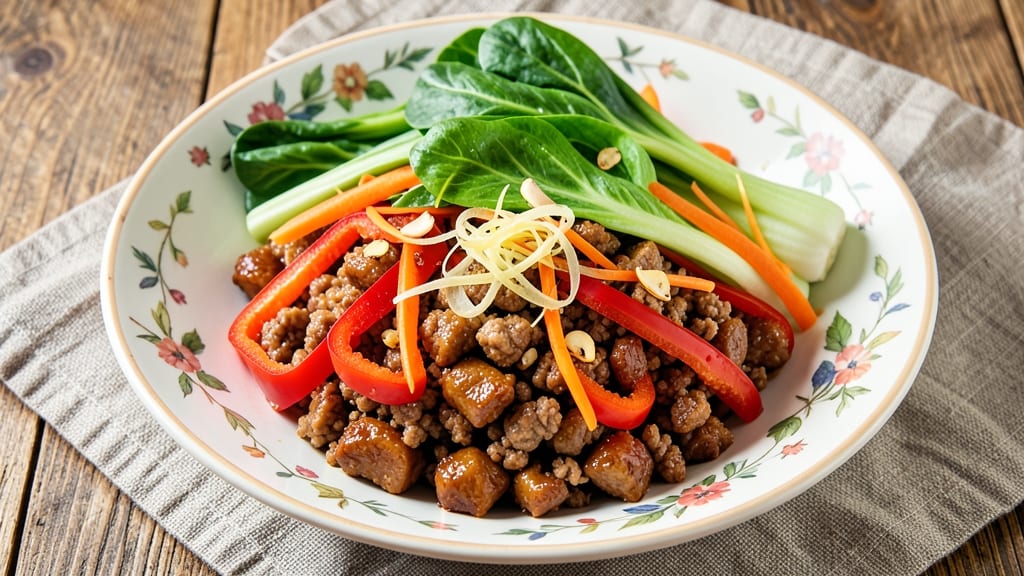
This minced pork and vegetables recipe delivers the perfect balance of smoky wok-hei flavor and tender textures in every bite. After years of perfecting pork stir-fry techniques in my Atlanta kitchen, I've developed a method that transforms simple ingredients into a restaurant-quality dish.
The secret lies in proper pork cooking—quick searing followed by controlled simmering—to maintain juiciness while developing deep savory notes.
What makes this recipe truly versatile is its adaptability—whether you prefer a traditional Chinese-style stir-fry with garlic and ginger or a modern Southeast Asian twist with coconut milk and lemongrass.
The vegetables (bell peppers, carrots, and bok choy) are prepped in a way that ensures they stay crisp-tender, absorbing the pork's rich flavors without becoming mushy. This dish comes together in just 25 minutes, making it ideal for weeknight dinners or weekend gatherings.
The result is a harmonious blend of textures and flavors: tender minced pork with a slightly crisp exterior, vibrant vegetables that pop with color, and a sauce that's perfectly balanced between sweet, savory, and umami.
The wok-hei smokiness comes from high-heat searing, which you can achieve in any well-seasoned skillet. This recipe serves four and pairs beautifully with steamed jasmine rice or noodles.
For those who love leftovers, this dish actually improves overnight as the flavors meld further. I've included variations for different dietary preferences, from spicy chili oil finishes to coconut milk-based curries.
The technique is simple enough for beginners but refined enough to impress seasoned home cooks—just like the dishes I've been perfecting since my apprenticeship under Master Chef Chen.
Ingredients for minced pork and vegetables
Freshly ground pork and vibrant vegetables transform into restaurant-quality stir-fry with wok-hei smokiness and balanced flavors.
| Ingredient | Amount | Notes |
|---|---|---|
| Ground Pork 🐖 | 1 ½ lb | Freshly ground, not pre-seasoned |
| Red Bell Pepper 🌶️ | 1 whole | Thinly sliced, seeds removed |
| Carrots 🥕 | 2 whole | Julienned into matchsticks |
| Bok Choy 🥬 | 2 heads | Separated into baby leaves |
| Garlic Cloves 🧄 | 6 cloves | Minced, not pre-minced jarred |
| Fresh Ginger 🌿 | 1 tbsp | Finely grated, peeled |
| Light Soy Sauce 🥢 | 3 tbsp | Kikkoman preferred |
| Dark Soy Sauce 🥢 | 1 tbsp | For color and depth |
| Oyster Sauce 🍜 | 2 tbsp | High-quality, not imitation |
| Sesame Oil 🫒 | 1 tbsp | Toasted, not flavored |
| Cornstarch 🌾 | 1 tbsp | For tenderizing pork |
| Neutral Oil 🫒 | 2 tbsp | Avocado or vegetable oil |
| Green Onions 🧅 | 3 whole | Thinly sliced, white and green |
| Sesame Seeds 🌱 | 1 tsp | Toasted for garnish |
| Red Chili Flakes 🔥 | ½ tsp | Optional for heat |
The ground pork is where this dish starts. Freshly ground from the butcher section (not pre-seasoned) ensures maximum tenderness and flavor. Look for pork with good marbling—Kroger or Whole Foods carry excellent options, or ask your local butcher for 'pork shoulder ground fine'. The cornstarch isn't just for thickening; it helps tenderize the pork during the quick sear. For the vegetables, baby bok choy is ideal but regular heads work too—just separate the leaves. The carrots should be julienned into matchsticks for even cooking. If you're short on time, pre-cut stir-fry veggie mixes from the frozen section save prep work without sacrificing texture.
No light soy sauce? Tamari or coconut aminos work in a pinch, though the flavor will differ slightly. The oyster sauce is non-negotiable for that authentic umami depth—Lee Kum Kee is the gold standard, but any high-quality brand will do. Fresh ginger and garlic are essential; jarred minced garlic lacks the aromatic punch. For a Southeast Asian twist, swap the soy sauces for fish sauce and coconut milk, then finish with lime. The sesame oil should be toasted, not flavored—Kadoya is my go-to brand. If you're avoiding sesame, toasted peanut oil works beautifully. The red chili flakes are optional but add that signature wok-hei kick.
This dish reheats beautifully—3-4 days in the fridge or 3 months frozen. I always make extra because it tastes even better the next day as the flavors meld. Store in airtight containers with a splash of soy sauce to keep the vegetables crisp. For freezing, portion into single servings with a thin layer of oil on top to prevent sticking. When reheating, a quick stir-fry in a hot pan with a splash of water revives the crisp-tender texture. Serve with steamed jasmine rice or rice noodles—both soak up the delicious sauce perfectly.
Why You'll Love This Recipe
- One-Pan Magic: I swear by this recipe when I’m too tired to wash dishes. Toss everything—pork, peppers, carrots, bok choy—into one pan, and let the garlic and soy sauce work their flavor while you sip tea. No chopping boards, no fuss.
- Crispy-Creamy Balance: That caramelized pork with tender bok choy? It’s the kind of contrast that makes you close your eyes. The bell pepper adds a sweet crunch, while the garlic keeps it bold—like a hug in a bowl.
- Leftovers That Don’t Suck: I make double batches on Sundays because reheating this is chef’s kiss. The bok choy stays crisp, the pork doesn’t dry out, and it’s still delicious cold in wraps the next day. Zero waste, all flavor.
- Budget-Friendly Powerhouse: Ground pork stretches far, and veggies like carrots and bok choy are cheap but pack serious nutrition. Honestly, this feeds four for under $10, and my kids beg for seconds—no takeout needed.
Step-by-step instructions for minced pork and vegetables stir-fry
Transform fresh ground pork and crisp vegetables into a restaurant-worthy stir-fry with bold flavors.
Tenderize the Pork with Cornstarch
In a large bowl, combine the 1.5 lb ground pork with the 1 tbsp cornstarch and 0.5 tsp red chili flakes (if using). Using your hands, gently knead the mixture for about 1 minute until the cornstarch evenly coats the pork. This step is crucial—it prevents the pork from shrinking and ensures it stays tender during the high-heat stir-fry. The chili flakes add subtle heat, but you can omit them if you prefer a milder dish.
Let the pork mixture rest for 5 minutes while you prepare the vegetables. This resting time allows the cornstarch to fully absorb into the pork, creating a smoother texture when cooked. Don’t skip this step; it makes a noticeable difference in the final dish.
Prep and Slice All Vegetables
Slice the 1 whole red bell pepper into thin strips, removing seeds and membranes first. Julienne the 2 whole carrots into matchsticks—aim for even, thin strips that will cook quickly. Separate the 2 heads bok choy into individual baby leaves, discarding the thick stems. Finally, mince the 6 cloves garlic and grate the 1 tbsp fresh ginger. Keep all prepped vegetables in separate piles to avoid premature wilting.
This prep work ensures even cooking and a visually appealing dish. The bell pepper and carrots should be cut uniformly so they cook at the same rate as the pork. Bok choy wilts quickly, so keep it separate until the very end of cooking. The garlic and ginger will infuse the stir-fry with aromatic depth, so don’t rush their preparation.
Stir-Fry the Pork Until Fully Cooked
Heat a wok or large skillet over high heat until smoking slightly. Add the 2 tbsp neutral oil and swirl to coat the pan. Working in batches if needed, add the pork mixture and spread it evenly across the pan. Stir-fry for 3-4 minutes until the pork loses its raw color and turns light golden brown. This high heat is essential—it creates that signature wok-hei smokiness and prevents the pork from becoming greasy.
Once the pork is fully cooked, transfer it to a clean plate and set aside. Don’t drain the excess fat; you’ll use it to cook the vegetables. If the pork releases easily from the pan, it’s ready. If it sticks, add a splash of water and scrape up the browned bits—they’re packed with flavor.
Cook the Vegetables in Stages
Return the wok to high heat and add the sliced red bell pepper and carrots. Stir-fry for 2-3 minutes until the vegetables begin to soften but still retain a crisp texture. Add the minced garlic and ginger, cooking for an additional 30 seconds until fragrant. The vegetables should sizzle and develop a slight char—this adds depth to the dish.
Push the vegetables to one side of the wok and add the bok choy. Stir-fry for 1-2 minutes until the leaves just begin to wilt. Bok choy cooks quickly, so don’t overcook it—it should stay vibrant and slightly crisp. If the pan looks dry, add a splash of water to steam the bok choy gently.
Combine and Finish with Sauces
Return the cooked pork to the wok and stir to combine with the vegetables. Add the 3 tbsp light soy sauce, 1 tbsp dark soy sauce, 2 tbsp oyster sauce, and 1 tbsp sesame oil. Stir-fry for 1-2 minutes until everything is evenly coated and heated through. The dark soy sauce will give the dish its signature deep color, while the oyster sauce adds umami richness.
Taste and adjust seasoning if needed—you may want to add a splash more soy sauce for saltiness or a drizzle of sesame oil for extra aroma. Garnish with the 3 whole green onions and 1 tsp sesame seeds before serving. The green onions add a fresh contrast, while the sesame seeds provide a nutty crunch. Serve immediately while the stir-fry is hot and vibrant.
Pro Tips For Making Minced Pork And Vegetables
- Cook pork in batches: I learned this the hard way—dumping all the ground pork in one go just makes it steam instead of brown. Split it into two portions and cook each separately over medium-high heat. The extra surface area means better searing, which actually changes the flavor.
- Slice carrots thinly: Skip the big chunks unless you want mushy carrots. Cut them into ¼-inch half-moons so they soften alongside the pork without turning to mush. Bok choy will take longer, so add it later—no need to overcrowd the pan.
- Salt the pork first: This isn’t the prettiest method, but it’s the tastiest. Sprinkle the ground pork with a teaspoon of salt and let it sit for 5 minutes before cooking. The salt pulls out moisture, which evaporates during searing, giving you a richer, more flavorful base for the rest of the dish.
- Use garlic wisely: After burning three batches, I finally figured out the timing: crush the garlic cloves and add them to the pan after the pork is browned but before the vegetables. They’ll cook just enough to perfume the dish without turning bitter—about 30 seconds max. No need to wait for them to turn golden.
Best sauces and condiments for minced pork and vegetables
Classic Soy-Ginger Sauce
This foundational sauce—made with 3 tbsp light soy sauce, 1 tbsp dark soy sauce, and 2 tbsp oyster sauce—delivers that perfect balance of salty, sweet, and umami. I always use Kikkoman light soy and Lee Kum Kee oyster sauce for authentic depth.
The dark soy sauce adds that signature caramelized color while keeping the flavors complex. For extra richness, finish with 1 tbsp toasted sesame oil—it’s non-negotiable for that nutty aroma. 🥢
Spicy Chili Oil Finish
Want to kick things up? Swap the sesame oil for 1 tbsp chili oil (I love Lao Gan Ma from the Asian market) and add ½ tsp extra red chili flakes at the end. This Southeast Asian-inspired twist adds smoky heat that pairs perfectly with the pork’s richness.
For balance, drizzle with 1 tsp lime juice before serving. The acidity cuts through the fat, making every bite vibrant. 🌶️
Sweet and Tangy Hoisin Glaze
For a sweeter profile, replace the soy sauces with 2 tbsp hoisin sauce (look for Hoisin King brand) and 1 tbsp rice vinegar. Simmer this mixture with the pork and vegetables for 1-2 minutes until glossy.
The hoisin’s caramelized depth contrasts beautifully with the pork’s savory notes. Finish with 1 tsp toasted sesame seeds for texture. This version works wonderfully with rice noodles instead of rice. 🍯
Coconut-Lemongrass Curry Sauce
Transform this into a Thai-inspired curry by sautéing 2 tbsp minced lemongrass and 1 tbsp galangal (or ginger) in the pork fat before adding vegetables. Deglaze with ½ cup coconut milk and 1 tbsp fish sauce, then simmer until thickened.
The creamy coconut balances the pork’s richness, while the lemongrass adds citrusy brightness. Garnish with cilantro and crushed peanuts for crunch. 🌿
Umami-Packed Mushroom Sauce
For a deeper, earthier flavor, add ½ cup sliced shiitake mushrooms (stems removed) to the pork fat and cook until golden. Deglaze with 1 tbsp mirin and 1 tbsp dry sherry, then proceed with the soy sauces.
The mushrooms amplify the umami, making this sauce perfect for serving with steamed rice or udon noodles. The sherry adds a subtle complexity that elevates the dish. 🍄
Nutrition facts
Frequently asked questions
Can I substitute ground beef or chicken for the pork?
Ground beef (especially lean cuts) works well and has a similar texture. For chicken, use ground chicken thigh (not breast) to prevent drying out. The cooking time may vary slightly—chicken needs about 2 minutes less than pork at high heat. Adjust seasoning as needed, since chicken absorbs flavors differently.
What if I don't have a wok? Can I use a regular skillet?
Yes, a large nonstick or cast-iron skillet works perfectly! The key is maintaining high heat and keeping the pan well-seasoned. If your skillet isn't wide enough, cook in batches—just make sure not to overcrowd the pan, or the pork will steam instead of sear. A 12-inch skillet is ideal for this recipe.
How do I prevent the vegetables from getting mushy?
Cook vegetables in stages and use high heat to maintain crispness. Start with the hardest veggies (carrots, bell peppers) first, then add bok choy last. Cook each vegetable for just 1-2 minutes until tender-crisp, not soft. If your pan gets too crowded, work in batches. A splash of water can help steam delicate greens like bok choy gently.
Can I make this recipe ahead of time?
This dish actually tastes better the next day! Store in an airtight container in the fridge for up to 3 days or freeze for 3 months. Reheat in a hot pan with a splash of water or soy sauce to revive the textures. The flavors meld beautifully overnight, making it perfect for meal prep.
What's the secret to getting that perfect wok-hei smokiness?
The secret lies in high heat and proper technique. Use a well-seasoned pan and heat it until it's smoking slightly before adding oil. Keep everything moving constantly—don't let the pork or veggies sit too long in one spot. The residual smoke from the hot pan carries through the dish, creating that signature aroma. A carbon steel wok or cast iron works best for this effect.