
Main Courses
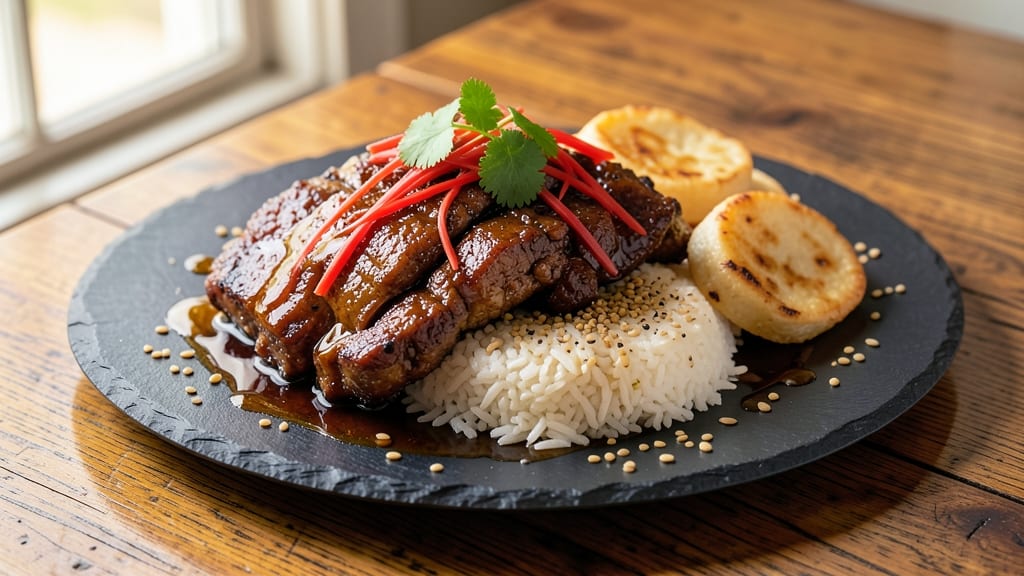
This minced pork bulgogi recipe transforms simple ground pork into a restaurant-worthy dish with caramelized edges and a sweet-spiced glaze. 🔥 I developed this version after years of perfecting Korean techniques in my Atlanta kitchen, balancing traditional flavors with modern efficiency.
The secret lies in the marinade—where brown sugar, soy sauce, and sesame oil create that signature sticky, aromatic crust.
The beauty of bulgogi is its versatility: quick enough for weeknight dinners but impressive enough for special occasions. While traditional recipes call for thinly sliced beef, minced pork absorbs the marinade perfectly, delivering tender, flavorful bites every time.
The high-heat cooking method ensures those coveted caramelized edges while keeping the interior juicy.
What you'll end up with is a dish that's equally at home on a lunch box or a dinner table—golden-brown pork pieces with glossy, caramelized surfaces and a sauce that clings to each bite.
Serve it over steamed rice with a side of kimchi for the full Korean experience, or wrap it in lettuce leaves for a refreshing twist.
This recipe honors the soul of bulgogi while adapting it for home cooks. The marinade can be made ahead, and the cooking process takes just 15 minutes, making it perfect for busy weeknights. Let's make bulgogi that tastes like it came from a Seoul street stall.
Ingredients for minced pork bulgogi
Sweet-spiced marinade meets high-heat searing for restaurant-quality bulgogi at home.
| Ingredient | Amount | Notes |
|---|---|---|
| Ground Pork 🥓 | 1 ½ lb | 80% lean, finely minced preferred |
| Brown Sugar 🍯 | ½ cup | Packed, light or dark |
| Soy Sauce 🍶 | ⅓ cup | Korean or Japanese preferred |
| Sesame Oil 🫒 | 2 tbsp | Toasted sesame oil for aroma |
| Garlic Cloves 🧄 | 6 cloves | Minced, fresh preferred |
| Fresh Ginger 🌿 | 1 tbsp | Grated, finely minced |
| Asian Pear 🍐 | 1 medium | Julienned, for tenderizing |
| Rice Vinegar 🍶 | 2 tbsp | White or seasoned |
| Sesame Seeds 🌱 | 1 tbsp | Toasted, for garnish |
| Vegetable Oil 🫒 | 2 tbsp | High smoke point for searing |
| Diamond Crystal Kosher Salt 🧂 | 1 tsp | For seasoning |
| Ground Black Pepper 🌶️ | ½ tsp | Freshly ground preferred |
| Green Onions 🧅 | 3 whole | Thinly sliced, for garnish |
| Steamed White Rice 🍚 | 2 cups | Cooked, for serving |
The ground pork should be finely minced—look for pre-ground at Korean markets or pulse your own in a food processor. 80% lean gives the best texture without excess fat. For the brown sugar, light or dark works, but avoid raw sugar. The Asian pear is non-negotiable—it tenderizes the meat and adds subtle sweetness. Julienne it thinly so it blends into the marinade. If you can't find Asian pears, substitute with 1 tbsp lemon juice for acidity, though the texture won't be identical. The sesame oil should be toasted sesame—the nutty aroma is essential. Grab a small bottle at Trader Joe's or H Mart for authenticity.
No sesame oil? Avocado oil at half the amount works in a pinch, though it lacks the signature flavor. Fresh ginger is ideal, but substitute with 1 tsp ground ginger if needed. The rice vinegar adds brightness—Korean rice vinegar is best, but white vinegar in a bind. For the garlic, smash the cloves before mincing to release more flavor. The green onions should be both white and green parts for maximum aroma. If you're short on time, prep the marinade while the rice cooks—it needs at least 30 minutes to meld. Pro tip: Add a splash of water to the marinade if it's too thick after mixing.
Marinated pork keeps 2 days in the fridge, but the flavor improves overnight. For best results, sear immediately after marinating—don't skip the high-heat step. Leftover bulgogi reheats beautifully—microwave with a splash of water to restore moisture. Store cooked portions in an airtight container for 4 days or freeze for 3 months. The marinade itself can be made a week ahead—just store it in the fridge. Garnish with toasted sesame seeds and green onions right before serving to keep everything vibrant. For meal prep, portion over rice in containers—it reheats perfectly for lunches.
Why You'll Love This Recipe
- One-Bowl Magic: I swear by this recipe when I’m too tired to chop—just toss the ground pork with brown sugar, soy sauce, and minced garlic, then let it simmer. No fancy prep, no mess, just pure satisfaction.
- Sweet-Savory Crunch: That caramelized brown sugar glaze? It turns every bite into a little flavor explosion—salty from the soy, nutty from the sesame oil, and a bright garlic punch that lingers. Honestly, I’ve made it for people who “don’t like pork,” and they still ask for seconds.
- Lunchbox Hero: Between us, this is my go-to for meal prep—it reheats like a dream and tastes just as good cold in wraps or rice bowls the next day. (Yes, even on a Tuesday night when you’re drowning in work emails.)
- Budget Stretch: Ground pork is affordable, and this recipe stretches it far—feed four for under $10, or double it for leftovers that taste better the second time. I’ll be real: my wallet and my family thank me every time.
Step-by-step instructions for minced pork bulgogi
Here's the method for achieving that signature caramelized crust and tender, sweet-spiced pork.
🍳 Step 1: Marinate the Pork with Sweet-Spiced Glaze
In a large mixing bowl, combine the 1.5 lb ground pork, 0.5 cup packed brown sugar, 0.33 cup soy sauce, 2 tbsp sesame oil, 6 minced garlic cloves, 1 tbsp finely minced fresh ginger, and 2 tbsp rice vinegar. Mix thoroughly with your hands until the pork is fully coated in the marinade—this ensures even distribution of flavors and prevents dryness during cooking.
Next, add the 1 medium julienned Asian pear and mix again. The pear acts as a natural tenderizer, breaking down the meat fibers for a melt-in-your-mouth texture. Cover the bowl and refrigerate for at least 4 hours (overnight is ideal). This resting period allows the flavors to meld and the marinade to penetrate deeply into the pork.
🔥 Step 2: Sear the Pork for Maximum Flavor
Heat a large skillet or wok over medium-high heat and add 2 tbsp vegetable oil. Once the oil is shimmering (around 350°F), add half of the marinated pork in an even layer. Cook undisturbed for 3-4 minutes until the edges develop a deep golden-brown crust—this is where the magic happens. The caramelization creates that signature bulgogi flavor.
Once the first batch is browned, push it to one side of the pan and add the remaining pork. Continue cooking for another 3-4 minutes, stirring occasionally, until all pieces are evenly browned and cooked through. The pork should reach an internal temperature of 160°F. Remove from heat and set aside.
🥘 Step 3: Caramelize the Sauce to Perfection
With the pork still in the pan, reduce the heat to medium-low and let the juices caramelize for 2-3 minutes. You'll notice the sauce thickening and taking on a glossy sheen—this is the moment that matters. If the sauce becomes too thick, add 1-2 tablespoons of water to loosen it slightly while maintaining its rich consistency.
Stir in the 1 tbsp toasted sesame seeds and 3 thinly sliced green onions, mixing just until combined. Season with 1 tsp Diamond Crystal kosher salt and 0.5 tsp freshly ground black pepper to taste. The sauce should coat the back of a spoon with a thick, syrupy texture—this is what gives bulgogi its signature stickiness.
🍽️ Step 4: Serve Over Steamed White Rice
Transfer the bulgogi to a serving platter and spoon the caramelized sauce evenly over the top. Serve immediately over 2 cups steamed white rice, allowing diners to mix the pork and sauce together for each bite. The contrast between the tender pork, sweet-spiced glaze, and fluffy rice creates a harmonious balance of textures and flavors.
Garnish with additional thinly sliced green onions and a drizzle of toasted sesame oil for extra aroma. The dish should be served while the pork is still warm, ensuring the sauce remains glossy and the rice stays perfectly fluffy. This bulgogi delivers that perfect combination of sweet, savory, and umami in every bite.
Pro Tips For Making Minced Pork Bulgogi
- Sear in Batches: Minced pork sticks together when you dump it all in the pan—trust me, I’ve seen it happen. Work in ½-inch-thick layers, pressing down gently with a spatula, and let each batch develop a crust before adding more. High heat is your friend here; if the pan’s too crowded, you’ll end up with soggy, undercooked pork instead of that caramelized goodness.
- Blanch the Garlic: Raw garlic cloves in bulgogi? They’ll fight for flavor instead of melting into the sauce. Smash them first, then quickly sear in the pan for 20 seconds until fragrant—just enough to soften without burning. This step makes the garlic release its oils properly, so every bite gets that sweet, nutty punch.
- Skip the Pre-Marinating: I used to let the pork sit in the sauce for hours, thinking it’d soak up more flavor. Wrong. The brown sugar and soy sauce will turn the pork mushy if you’re not careful. Instead, mix the marinade right in the pan with the raw pork and cook it through—this keeps the texture tender but firm, not gluey.
- Use Dark Soy Sauce: Regular soy sauce will give you a pale, watery sauce. Swap in dark soy sauce (about 1 tablespoon) for deeper color and a richer, slightly sweeter base. It’s non-negotiable if you want that classic bulgogi look and taste—yes, even if it means an extra trip to the Asian market.
Best sauces and condiments for these flavors
Sweet-Spiced Marinade
The marinade is the soul of bulgogi, where brown sugar and soy sauce create that signature caramelized crust. I always use Korean soy sauce for deeper umami, but Japanese works in a pinch.
The Asian pear is non-negotiable—it tenderizes the meat and adds subtle sweetness. For extra depth, I sometimes add 1 tsp gochujang to the marinade for a hint of Korean chili heat. 🍯
Sesame Oil Finish
Toasted sesame oil adds that nutty aroma we all love. I like to drizzle it over the finished dish, but you can also add 1 tbsp directly to the marinade for even more flavor.
If you're short on time, avocado oil works in a pinch, though it lacks the authentic taste. For garnish, toast sesame seeds in a dry pan for 30 seconds until golden—this enhances their flavor significantly.
Rice Vinegar Balance
The rice vinegar in this recipe brightens the sweetness and balances the richness. I prefer Korean rice vinegar, but white vinegar works if that's all you have. For a tangier twist, add 1 tsp apple cider vinegar to the marinade.
The acidity helps tenderize the meat while keeping the flavors vibrant. Don't skip this—it's what makes the dish feel fresh and complete. 🌶️
Garnish Game-Changers
Fresh green onions and toasted sesame seeds elevate bulgogi from good to restaurant-quality. I always slice the green onions thinly so they add both color and crunch. For a smoky touch, sprinkle 1 tsp smoked paprika over the top right before serving.
If you're feeling fancy, add thinly sliced scallions or cilantro for a fresh contrast.
Sauce Thickening Tricks
If your sauce feels too thin after cooking, reduce it by simmering uncovered for 2-3 minutes until it reaches a glossy consistency. For extra richness, stir in 1 tbsp honey or maple syrup at the end.
The sauce should coat the back of a spoon—this is what makes bulgogi so addictive. If it's too thick, add 1 tsp water or broth** to loosen it slightly while keeping that sticky texture. 💫
Nutrition facts
Frequently asked questions
Can I substitute ground beef or chicken for minced pork?
While you can use ground beef (like 80% lean chuck), chicken loses texture and flavor. For beef, reduce marinating time to 2 hours—it absorbs flavors faster. Chicken works best with 1 extra tbsp rice vinegar to prevent dryness, but expect a lighter result. Traditional bulgogi uses beef, but pork's fat content creates that signature caramelized crust.
How do I fix bulgogi that's too sweet or too salty?
For overly sweet bulgogi, add 1 tbsp rice vinegar or lemon juice to the pan while cooking to balance flavors. If it's too salty, stir in 1 tbsp honey or brown sugar with a splash of water to dilute the saltiness. For prevention, taste your marinade before adding meat—adjust sweetness/saltiness gradually.
Can I make this in an air fryer instead of a skillet?
Yes! Spread marinated pork in a single layer on the air fryer rack and cook at 375°F for 8-10 minutes, shaking halfway. The air fryer gives a lighter texture but less caramelization. For deeper flavor, finish with 1 minute at 400°F to crisp the edges. This works best for smaller batches (under 1 lb at a time).
What's the best way to serve bulgogi for a Korean-style meal?
Pair with steamed white rice, kimchi, and quick-pickled cucumbers for a full Korean spread. For authenticity, add banchan (side dishes) like spinach sautéed with garlic or bean sprouts. Serve with lettuce wraps for a refreshing twist. The rice should be short-grain for maximum stickiness.
How do I store and reheat leftovers?
Store cooked bulgogi in an airtight container for 4 days in the fridge or 3 months frozen. To reheat, microwave with 1 tsp water for 1-2 minutes, then finish in a skillet for 2 minutes to restore crispiness. For oven reheating, bake at 350°F for 10 minutes with foil, then broil for 1 minute** to caramelize the edges again.