
Main Courses
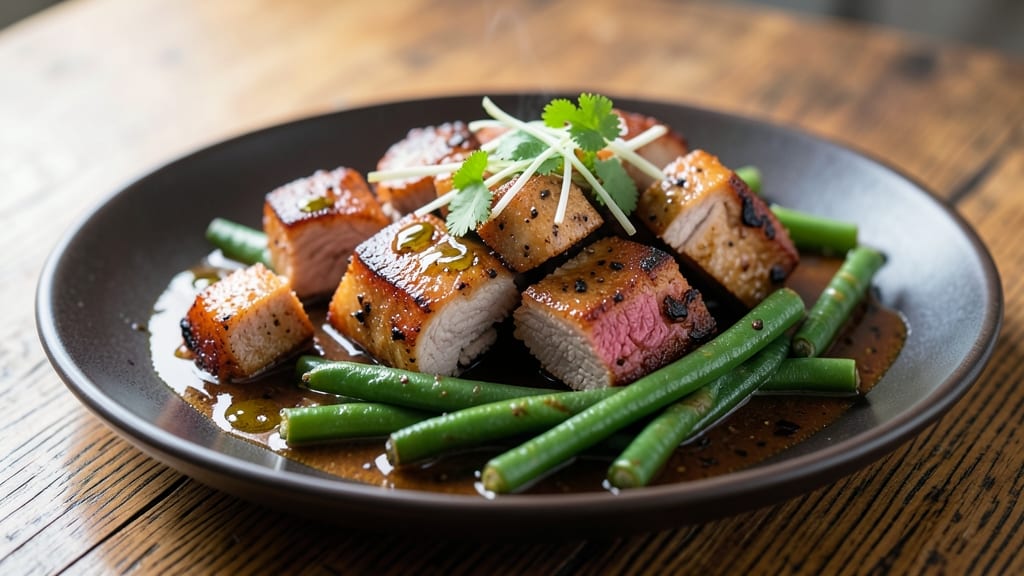
This adobo sitaw with pork recipe brings the bold, tangy flavors of Filipino comfort food to your kitchen with minimal effort. The secret lies in balancing vinegar's sharpness with soy sauce's depth, creating a sauce that tenderizes the pork while keeping the string beans crisp.
I first discovered this dish while traveling through Manila, where it's a staple in home kitchens across the archipelago.
The beauty of this recipe is its simplicity—just a handful of ingredients that work together to create restaurant-quality results. The pork marinates in a vinegar-soy-garlic base, developing deep flavors while remaining tender.
String beans (sitaw) are added at the end to preserve their crisp texture, ensuring each bite delivers both hearty meat and fresh vegetable in perfect harmony.
What you'll end up with is a rich, aromatic dish that pairs perfectly with steamed rice, soaking up every last drop of that tangy, savory sauce.
The pork becomes fork-tender, the beans maintain their snap, and the sauce achieves that perfect balance between sweet, salty, and sour that defines authentic Filipino adobo.
This recipe serves 4 and comes together in about 45 minutes, making it ideal for weeknight dinners or family gatherings.
The technique is straightforward, but the flavors are anything but ordinary—this is comfort food at its finest, with just the right amount of complexity to impress even the most discerning eaters.
Ingredients for adobo sitaw with pork
Pork shoulder, vinegar, and soy sauce create this restaurant-quality Filipino dish with minimal ingredients.
| Ingredient | Amount | Notes |
|---|---|---|
| Pork Shoulder 🥩 | 1 ½ lb | Cut into 1.5-inch cubes |
| White Vinegar 🍶 | ¾ cup | Distilled preferred for tang |
| Soy Sauce 🥄 | ½ cup | Use light or regular soy |
| Garlic Cloves 🧄 | 8 cloves | Minced for marinade |
| Green String Beans 🌱 | 1 lb | Trimmed, cut into 2-inch pieces |
| Bay Leaves 🌿 | 2 whole | Dried, for aromatic depth |
| Black Peppercorns 🌶️ | 1 tsp | Crushed for subtle heat |
| Sugar 🍯 | 2 tbsp | White or brown sugar |
| Olive Oil 🫒 | 2 tbsp | For searing pork |
| Salt 🧂 | 1 ½ tsp | Kosher or sea salt |
| Ground Black Pepper 🌶️ | ½ tsp | Freshly ground preferred |
| Water 💧 | ½ cup | For balancing sauce |
The pork shoulder is the heart of this dish—look for well-marbled cuts at your local butcher shop or Asian market for the best flavor. Filipino markets often carry pre-cut pork shoulder in vacuum-sealed packages, which saves time. If using bone-in, trim excess fat to avoid greasy sauce. For the vinegar, distilled white vinegar gives the cleanest tang, but cane vinegar (common in Filipino cooking) adds a subtle sweetness. The garlic should be freshly minced—pre-minced garlic loses its punch quickly. Store pork in the fridge until ready to use, and trim string beans right before cooking to preserve crispness.
No white vinegar? Cane vinegar or apple cider vinegar work well, though the flavor will differ slightly. Short on soy sauce? Coconut aminos or tamari are great substitutes, though they may alter the color. The sugar balances the acidity—reduce to 1 tbsp if you prefer less sweetness. For extra depth, add 1 tsp fish sauce (optional, omit for vegetarian). The string beans should be bright green and firm—avoid woody or yellowing pods. If you can't find green string beans, regular green beans work in a pinch, though the texture will be slightly different.
This dish tastes even better the next day as flavors meld. Store leftovers in an airtight container in the fridge for up to 4 days. The sauce thickens as it cools, so add a splash of water when reheating. For meal prep, portion into containers with steamed rice—each serving will have tender pork, crisp beans, and rich sauce. The pork can be pre-cooked and refrigerated separately for 3 days before adding to the sauce. Freeze portions for up to 3 months, though the texture of the beans may soften slightly upon thawing.
Why You'll Love This Recipe
- One-Pot Magic: I swear by this recipe when I’m too tired to wash pots—just brown the pork, toss in the vinegar and soy sauce, and let it simmer. The string beans wilt right into the sauce, so no extra prep, no extra mess.
- Tangy-Tender Pork: That pork shoulder? It falls apart with the right amount of vinegar and garlic, but it’s not dry or tough—it’s got this perfect bite. Honestly, the first time I tasted it, I wanted to eat it straight from the pan.
- Leftover Hero: This dish actually tastes better the next day. I make a big batch on Sundays, and by Wednesday, the flavors have melded into something even richer. My kids beg for it, and my partner always saves me the biggest portion.
- Budget-Friendly Feast: Pork shoulder is cheap, and a single bag of string beans stretches across multiple meals. Between us, I’ve fed six people for under $15 with this—plus, the leftovers turn into quick lunches or fried rice. Win.
Step-by-step instructions for adobo sitaw with pork
This traditional Filipino dish delivers perfectly tender pork and crisp-tender string beans in a rich, tangy-sweet sauce.
Sear the Pork Shoulder for Deep Flavor
Heat the 2 tablespoons olive oil in a large Dutch oven over medium-high heat. Add the 1.5 lb pork shoulder cut into 1.5-inch cubes, working in batches if needed to avoid crowding. Sear for 3-4 minutes per side until each piece develops a deep golden-brown crust. This step creates a flavorful crust that forms the base of your sauce.
As you sear, resist the urge to move the pork too frequently—let it develop color evenly. Remove the pork to a plate once browned and set aside. You'll notice the pork releases easily from the pan when properly seared, indicating it's ready for the next stage.
Build the Aromatic Base
In the same Dutch oven, add the 8 cloves minced garlic cloves and cook for 30 seconds until fragrant, stirring constantly to prevent burning. Add the 1 teaspoon crushed black peppercorns and cook for another 10 seconds. This quick cooking preserves the garlic's sweetness while releasing its aromatic oils.
Add the 2 whole bay leaves and cook for 10 seconds to infuse their earthy flavor. Immediately pour in the 0.75 cup white vinegar and 0.5 cup soy sauce, scraping up any browned bits from the bottom of the pan. These bits contain concentrated flavor that will deepen your sauce.
Simmer the Pork in the Sauce
Return the seared pork to the Dutch oven. Add the 2 tablespoons sugar, 1.5 teaspoons salt, and 0.5 teaspoon ground black pepper, stirring to combine. Pour in the 0.5 cup water and bring the mixture to a simmer over medium heat. The sugar will help balance the acidity of the vinegar while adding subtle sweetness.
Partially cover the Dutch oven and simmer for 45 minutes, stirring occasionally. You'll notice the pork gradually becomes more tender and the sauce begins to thicken. This gentle cooking process ensures the pork stays moist while developing its signature tender texture.
Cook the String Beans to Crisp-Tenderness
After 45 minutes, add the 1 lb green string beans cut into 2-inch pieces to the Dutch oven. Stir gently to coat the beans with the sauce. Increase heat to medium-high and bring to a boil. Once boiling, reduce heat to medium-low and simmer uncovered for 10-12 minutes, stirring occasionally.
You'll know the beans are perfectly cooked when they're bright green and crisp-tender with a slight resistance when pierced with a fork. The beans should float to the surface as they cook, indicating they're ready. Remove the bay leaves at this point as they've served their purpose.
Finish and Adjust the Sauce
Taste the sauce and adjust seasoning if needed. You may need to add a bit more salt or sugar to balance the flavors. The sauce should coat the back of a spoon but remain slightly loose enough to cling to the pork and beans. Simmer uncovered for an additional 5-7 minutes to reduce the sauce slightly and intensify the flavors.
Serve the adobo sitaw immediately, spooning the pork and beans onto plates with the rich, tangy sauce. The pork should be fork-tender with a slightly crisp exterior, while the string beans maintain their vibrant color and crisp texture. This dish pairs beautifully with steamed white rice to soak up every last drop of the flavorful sauce.
Pro Tips For Making Adobo Sitaw With Pork
- SEAR THE PORK FIRST: Don’t skip browning that pork shoulder—get it golden in a hot pan with a splash of oil before adding anything else. I used to rush this, and the adobo always tasted flat. Two minutes per side with the heat cranked up makes a real difference in flavor.
- USE STARCHY WATER FOR BEANS: Soak the string beans in cold water for 10 minutes, then drain—but save that starchy water. Add a splash back in when cooking to keep them bright green and tender. My grandmother swore by this, and she was right: it’s the thing that matters most for texture.
- CONTROL THE VINEGAR: Don’t dump all the white vinegar at once—add it gradually while simmering to avoid making the pork rubbery. Start with half the amount called for, taste, then adjust. I learned this the hard way after turning my adobo into a tangy science experiment.
- SIMMER LOW AND SLOW: Once everything’s in the pot, keep the heat at a gentle simmer—not a rolling boil. This keeps the pork tender and lets the flavors meld properly. I was skeptical until I tried it—now I never rush this step, even if I’m impatient like me.
Creative variations of this recipe
Filipino Home-Style Twist
In Filipino homes, this dish often includes 1 potato (peeled and cubed) added with the string beans for extra heartiness. I've found that yellow potatoes hold up better to the vinegar's acidity than russets.
For a true comfort food experience, add ½ cup coconut milk at the end to create a creamy variation—simmer uncovered for 5 minutes to let the coconut aroma infuse. 🥔
Spicy Adobo Heat
For a fiery kick, add 1-2 tablespoons siling labuyo (Filipino chili peppers)>, minced, with the garlic. If you can't find these, use 2-3 Thai bird's eye chilies>, finely chopped.
For heat control, remove seeds first. I like to add ½ teaspoon ground black pepper> too—it enhances the chili's heat without overpowering the dish. Adjust to taste after simmering.
Vegetarian Adaptation
Swap the pork for 1 lb extra-firm tofu>, pressed and cubed, then pan-fried until golden before adding to the sauce. For texture, use 1 cup mushrooms> (shiitake or cremini) with the string beans.
The vinegar and soy sauce will create a rich umami base that works beautifully with these plant-based ingredients. Serve with extra rice to soak up the sauce.
Coconut Milk Upgrade
For a richer sauce, replace the ½ cup water> with ½ cup coconut milk> in Step 3. This creates a velvety texture that pairs perfectly with the tangy adobo flavors. I recommend using full-fat coconut milk> for the best mouthfeel.
Add the coconut milk after the pork has simmered for 30 minutes>, then proceed with the string beans as directed.
Slow Cooker Version
For hands-off cooking, brown the pork in a skillet first, then transfer everything to a 6-quart slow cooker>. Cook on LOW for 6-7 hours> or HIGH for 3-4 hours>, adding the string beans in the last 30 minutes>.
The slow cooker method yields even more tender pork and allows flavors to meld beautifully. Perfect for busy weeknights!
Regional Variations
In the Visayas region, some versions include 1 eggplant>, cubed and added with the string beans for a meatier texture. For a Bicolano twist, add ½ cup shrimp paste (bagoong)> with the garlic—it adds a deep, funky umami that's characteristic of that region.
Both variations work beautifully with this base recipe. 🗺️
Nutrition facts
Frequently asked questions
Can I substitute regular green beans for string beans (sitaw)?
Yes, but there will be slight texture differences. String beans (sitaw) are longer and thinner, staying crisp-tender. Regular green beans work in a pinch—just trim the ends and cut into 1.5-inch pieces for even cooking. They'll soften faster, so reduce simmering time to 8-10 minutes instead of 10-12 minutes.
Why does my pork turn out tough instead of tender?
This usually happens when the cooking time is too short or the heat is too high. Pork shoulder needs 45-60 minutes of gentle simmering at low heat to break down collagen. Never rush the process—cover the pot and let it work its magic. For extra tenderness, add 1 cup water if the sauce reduces too quickly.
How can I make this dish less acidic?
Reduce the vinegar by ¼ cup and increase the soy sauce by 2 tablespoons to balance the tang. Adding 1 extra tablespoon of sugar also helps mellow the acidity. For a milder version, use apple cider vinegar instead of white vinegar—it has a softer flavor. Taste as you go and adjust gradually.
Can I prepare this ahead of time for meal prep?
This dish tastes even better the next day. Cook the pork fully, then refrigerate the sauce separately. When ready to serve, reheat the pork in the sauce over low heat for 10 minutes, then add the string beans to warm through (5 minutes). Store leftovers in an airtight container for up to 4 days. For freezing, portion with rice and freeze for 3 months.
What's the secret to getting crisp-tender string beans?
Don't overcook them! Add beans only in the last 10-12 minutes of cooking and keep the heat at medium-low. They're done when bright green and slightly resistant when pierced. For extra crispness, shock them in ice water for 1 minute after cooking. The key is timing—beans cook faster than pork, so monitor closely.