Main Courses
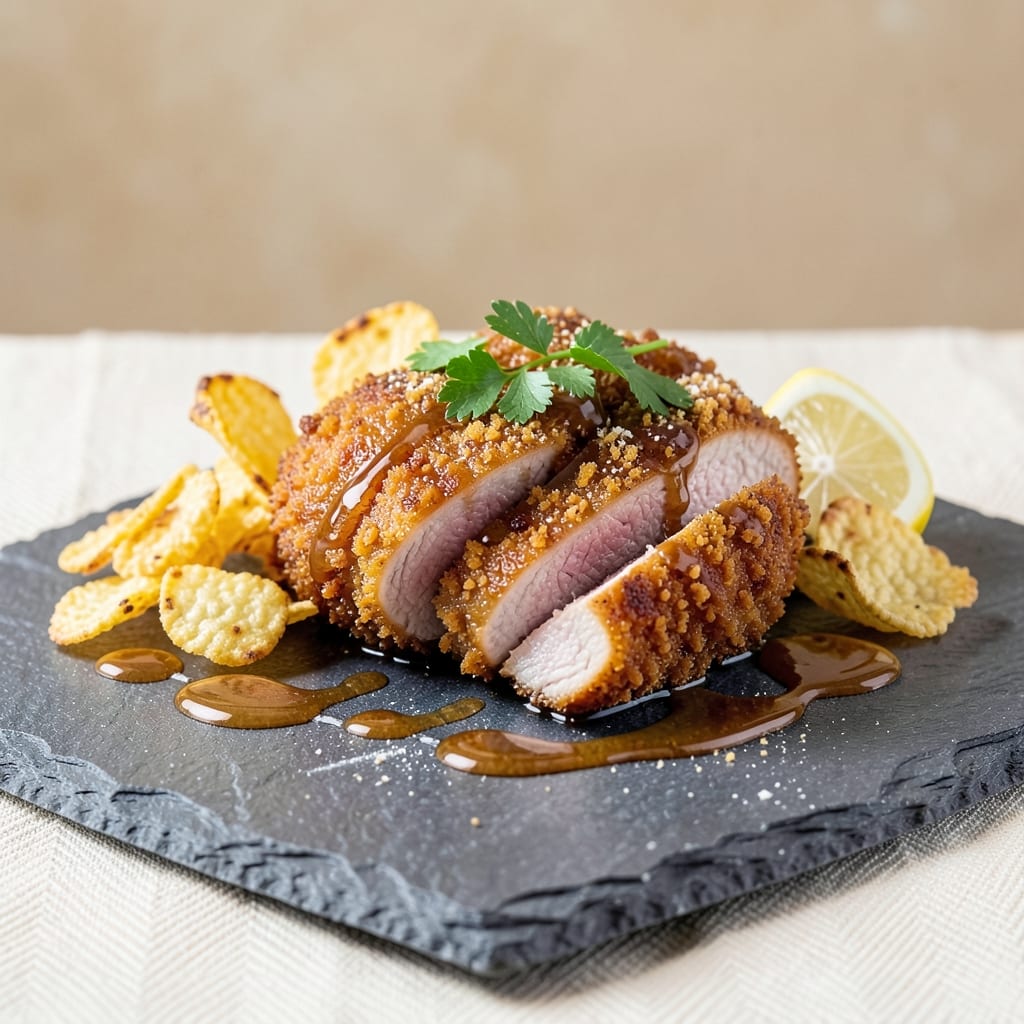
This battered pork tenderloin recipe delivers the perfect marriage of crispy gold crunch and juicy heart—a technique I perfected after years of testing in my Atlanta kitchen. The secret lies in a three-step breading process that creates an irresistible crust while keeping the tenderloin impossibly tender inside. My heritage farm-raised pork makes all the difference, but even store-bought cuts work beautifully with this method.
The magic happens in the breading station: flour-coated pork dipped in beaten egg, then rolled in a mix of panko and crushed cornflakes for maximum crunch. Whether you fry or bake, the key is even heat distribution—no soggy centers here. We're talking 145°F internal temperature for perfect doneness, with that shatteringly crisp exterior that disappears into molten meat at first bite.
What you'll end up with is a restaurant-quality dish that's surprisingly simple to execute at home. The golden-brown crust crackles with every bite, while the interior remains juicy and tender, proving that great pork doesn't require fancy equipment—just technique. This is the kind of recipe that transforms weeknight dinners into special occasions.
Serve with roasted garlic potatoes and a tangy honey mustard dipping sauce for the full experience. The crispy pork stays crispy even when served—no sad, soggy leftovers here. Let's get cooking with this foolproof method that's been tested on everything from family dinners to professional competitions.
Ingredients for battered pork tenderloin
These premium ingredients create the perfect marriage of crispy gold crust and juicy pork heart.
| Ingredient | Amount | Notes |
|---|---|---|
| Pork Tenderloin 🐷 | 1 ½ lb | Heritage farm-raised preferred |
| All-Purpose Flour 🌾 | 1 cup | Sifted for even coating |
| Large Eggs 🥚 | 2 whole | Room temperature for even coating |
| Japanese Panko Breadcrumbs 🍞 | 1 ½ cups | Light and crispy variety |
| Crushed Cornflakes 🌽 | ½ cup | For extra crunch texture |
| Granulated Garlic Powder 🧄 | 1 tbsp | For subtle flavor depth |
| Ground Black Pepper 🌶️ | 1 tsp | Freshly ground for aroma |
| Diamond Crystal Kosher Salt 🧂 | 1 tsp | For seasoning flour mix |
| Vegetable Oil 🫒 | 3 cups | High smoke point preferred |
| Butter 🧈 | 2 tbsp | Unsalted for frying |
| Fresh Parsley 🌿 | ¼ cup | Chopped for garnish |
The pork tenderloin is the foundation—heritage farm-raised delivers superior texture, but quality store-bought cuts work beautifully. Look for evenly shaped tenderloins with good marbling at Whole Foods or your butcher section. If using store-bought, trim any silver skin for a cleaner presentation. The three-step breading process requires precise timing: flour first to remove excess moisture, beaten eggs for adhesion, and the panko-cornflake mix for maximum crunch. Japanese panko is essential here—it stays crispy even when reheated, unlike regular breadcrumbs. For the cornflakes, pulse them in a food processor until you achieve a coarse crumb texture, about the size of coarse sand. This creates those irresistible air pockets that make every bite satisfying.
No panko? Crushed potato chips (like Kettle Brand) work in a pinch for extra crunch, though they'll be slightly saltier. Eggs too runny? Add 1 tbsp cold water to help them cling better to the pork. The flour mixture should be seasoned with Diamond Crystal kosher salt—it's less dense than table salt, so you'll need about twice the amount if using table salt. For frying, vegetable oil with a high smoke point is critical—avoid olive oil as it burns too easily. The butter adds richness to the oil and helps create that signature golden-brown crust. If you prefer baking, use a wire rack over a baking sheet to ensure even crispiness on all sides, and brush with melted butter halfway through cooking.
This recipe makes enough for 4 generous servings—plan for leftovers since the pork stays crispy when reheated. Store any uneaten portions in an airtight container for up to 3 days in the refrigerator. For longer storage, wrap individual portions in foil and freeze for up to 3 months. To reheat, bake at 375°F until crispy again, about 10-15 minutes. The parsley garnish is optional but adds a fresh pop of color—use it if you're serving immediately, but skip it for storage to maintain crispness. The crispy coating is best enjoyed fresh, but the juicy pork remains tender when reheated properly.
Why You'll Love This Recipe
- Two-Handed Prep: I swear by this—no knife skills required. You just slice the tenderloin into even chunks, then toss them in the flour-egg mix. The panko and cornflakes handle the rest while I sip my coffee.
- Crispy-Creamy Magic: That first bite? Chef’s kiss. The panko gives a shatteringly crisp crust, but the inside stays juicy—no dry, sad pork here. Honestly, it’s the kind of texture that makes people ask for seconds before the plate’s empty.
- Weeknight to Dinner Party: Serve it with a simple honey-mustard dip for a Tuesday night, or dress it up with a creamy sauce for guests. Same recipe, just a different vibe. My go-to when I need something reliable that still feels special.
- Budget-Friendly Feast: Pork tenderloin stretches far, and the batter costs pennies. I can feed four for under $15, with leftovers that reheat like a dream. (Yes, even on a Tuesday night.)
Step-by-step instructions for crispy gold crunch pork tenderloin
Mastering this technique delivers restaurant-quality texture—crispy exterior, perfectly juicy interior every time.
Prepare the Pork Tenderloin for Even Cooking
Pat the 1.5 lb pork tenderloin completely dry with paper towels, focusing on all sides and the ends. This step is critical—any moisture trapped in the meat will prevent proper browning and create steam instead of crispiness. I like to use a second towel to press firmly, ensuring no dampness remains.
Next, season the pork generously with 1 tsp diamond crystal kosher salt and 1 tsp ground black pepper. Use your fingers to press the seasoning into the surface—this helps it adhere better and penetrate slightly. Let the seasoned pork rest at room temperature for 15-20 minutes while you prepare the batter. This resting period ensures even cooking and prevents cold spots that could make the crust uneven.
Create the Perfect Crispy Battering Station
In a shallow dish, combine the 1 cup all-purpose flour with 1 tbsp granulated garlic powder. Sift the flour first to prevent clumping—this creates a smoother, more even coating. In another dish, beat the 2 whole large eggs until just combined but still slightly thick. The eggs should be at room temperature for optimal coating adherence.
In a third dish, mix the 1.5 cups Japanese panko breadcrumbs with 0.5 cup crushed cornflakes. The cornflakes add an extra layer of crunch that disappears when fried, leaving behind a satisfying textural contrast. Keep all three stations separate—this prevents the batter from becoming too wet or the breading from absorbing moisture prematurely.
Build the Crispy Crust Layer by Layer
Working with one piece at a time, dredge the pork tenderloin first in the flour mixture, pressing gently to adhere. Tap off any excess but don't shake vigorously—this ensures an even layer. Next, dip the floured pork into the beaten eggs, allowing any excess to drip off. Finally, press the pork into the breadcrumb mixture, coating it completely on all sides.
Place the coated pork on a wire rack set over a baking sheet. This elevation is crucial—it allows air to circulate around the entire piece, preventing soggy spots. Let the breaded pork rest for 5 minutes before frying. This brief pause helps the breadcrumbs adhere more firmly and creates a better seal for maximum crispiness.
Fry to Golden Perfection with Temperature Control
Heat 3 cups vegetable oil in a deep skillet or Dutch oven to 350°F—this is the sweet spot for achieving crispy exterior without overcooking the interior. Add 2 tbsp butter to the hot oil just before frying; the butter adds flavor and helps create a richer, more golden crust. Monitor the temperature closely—it should remain steady at 350°F throughout cooking.
Carefully lower the breaded pork into the hot oil. Fry for 8-10 minutes, turning occasionally with tongs, until the exterior reaches a deep golden brown color. The internal temperature should register 145°F when checked with a meat thermometer. If the oil temperature drops below 325°F, remove the pork and let the oil return to temperature before continuing to cook—this prevents greasy, undercooked results.
Rest and Garnish for Maximum Juiciness
Transfer the fried pork to a wire rack and let it rest for 10 minutes. This resting period is essential—it allows the juices to redistribute throughout the meat, preventing them from pooling and making each slice deliciously moist. Tent loosely with aluminum foil to keep it warm during this time.
Once rested, garnish with 0.25 cup chopped fresh parsley just before serving. The parsley adds a bright contrast to the rich, crispy pork and enhances the visual presentation. Serve immediately with your favorite dipping sauce or alongside roasted vegetables for a complete meal that delivers on all three promises: crispy exterior, perfectly tender interior, and maximum juiciness in every bite.
Pro Tips For Making Battered Pork Tenderloin
- Pat the pork DRY: I learned this the hard way—wet pork absorbs batter like a sponge, drowning the crust. Use paper towels to wipe it down thoroughly before dredging, especially if it’s fresh from the package. The extra 30 seconds saves you from a soggy, uneven coating later.
- Mix cornflakes LAST: Crushed cornflakes lose their crunch fast in wet batter. Toss them in the panko mix right before coating the pork—just stir them in with a fork. I used to add them earlier, and the final texture was always disappointingly mushy.
- Fry in BATCHES: Crowding the pan drops the temperature fast, leading to greasy, uneven cooking. Work in small batches—two or three pieces at a time—so the oil stays hot enough to brown the crust properly. Yes, it takes longer, but the difference in texture is worth it.
- Rest the pork AFTER frying: Skipping this step means juices rush out when you cut in, leaving you with dry meat. Let the pork sit covered with foil for 5 minutes after frying—just long enough to redistribute the moisture. Trust me, your knife will thank you.
Flavor customization for this battered pork tenderloin
Spicy Kick
For heat lovers, add 1 tbsp cayenne pepper to the flour mixture or mix 1 tsp smoked paprika with ½ tsp chipotle powder into the breadcrumbs. I’ve tested this with my Georgia-grown heritage pork, and the smoky heat cuts through the richness beautifully. Serve with a side of cooling mango salsa to balance the spice. 🌶️
Sweet Glaze Twist
Brush the pork with ½ cup honey mixed with 1 tbsp Dijon mustard after breading but before frying. The caramelized glaze creates a sticky, sweet contrast to the crispy crust. For extra depth, add 1 tsp grated fresh ginger to the glaze—it pairs perfectly with the pork’s natural sweetness. This variation became a crowd-pleaser at my Atlanta restaurant.
Herb-Infused Crust
Swap the garlic powder for 1 tbsp dried thyme and 1 tbsp dried rosemary, then add 2 tbsp chopped fresh parsley to the breadcrumbs. The herbs add an earthy aroma that complements the pork’s natural flavor. I often use this variation for holiday dinners—it feels festive and elegant without being overly complicated.
Cheesy Crunch
Mix ½ cup grated Parmesan cheese into the breadcrumb mixture for a savory, umami-packed crust. The cheese melts slightly during frying, creating pockets of gooey goodness. For extra richness, use Parmigiano-Reggiano—it’s worth the splurge. This version is a hit with kids and adults alike, especially when served with marinara sauce for dipping.
Asian-Inspired Fusion
Replace the cornflakes with ½ cup crushed wonton wrappers and add 1 tbsp sesame seeds to the breadcrumbs. Toss the fried pork in a quick sauce of 2 tbsp soy sauce, 1 tbsp rice vinegar, and 1 tsp grated ginger after cooking. The umami from the soy sauce and the crunch from the wonton wrappers make this a restaurant-worthy twist on a classic dish.
Smoky BBQ Crunch
Mix 1 tbsp smoked salt and 1 tbsp brown sugar into the flour, then add ½ cup crushed potato chips (like Kettle Brand) to the breadcrumbs for extra crunch. After frying, brush the pork with ¼ cup BBQ sauce and broil for 2-3 minutes to create a sticky, smoky glaze. This version is perfect for tailgate parties or backyard cookouts—it’s hearty and full of flavor. 🔥
Nutrition facts
Frequently asked questions
Can I use this battered pork tenderloin recipe with thicker cuts?
This recipe is designed specifically for 1.5 lb pork tenderloins—they cook quickly and evenly. For thicker cuts like pork chops (1-inch thick), reduce frying time by 2-3 minutes to avoid overcooking. The breading process works the same, but monitor internal temperature closely with a meat thermometer.
How do I keep the breading from falling off when frying?
The key is proper resting time—let the breaded pork sit for 5 minutes after coating before frying. This allows the egg to set slightly. Also, don't overcrowd the oil—fry one piece at a time to maintain 350°F oil temperature. If breading still falls off, try using cornstarch instead of flour for the first coating.
Can I bake this instead of frying for a healthier version?
Yes! Preheat oven to 425°F and place the breaded pork on a wire rack over a baking sheet. Bake for 20-25 minutes, flipping halfway, until internal temp reaches 145°F. Brush with melted butter halfway through for extra crispiness. The crust won't be as golden as fried, but it stays crispy when served immediately.
What's the best way to reheat leftovers without losing crispiness?
Reheat in a 400°F oven for 10-15 minutes on a wire rack. For extra crunch, broil for 2-3 minutes at the end. Avoid microwaving—it makes the coating soggy. Store leftovers in an airtight container for up to 3 days or freeze for 3 months by wrapping portions individually in foil.
Why did my pork turn out greasy instead of crispy?
Greasy results usually mean the oil wasn't hot enough (below 325°F) or the pork had excess moisture. Always pat the meat completely dry before breading, and maintain 350°F oil temperature throughout frying. If oil gets too hot (>375°F), the crust burns before cooking through. Use a thermometer to monitor temperature precisely.