Main Courses
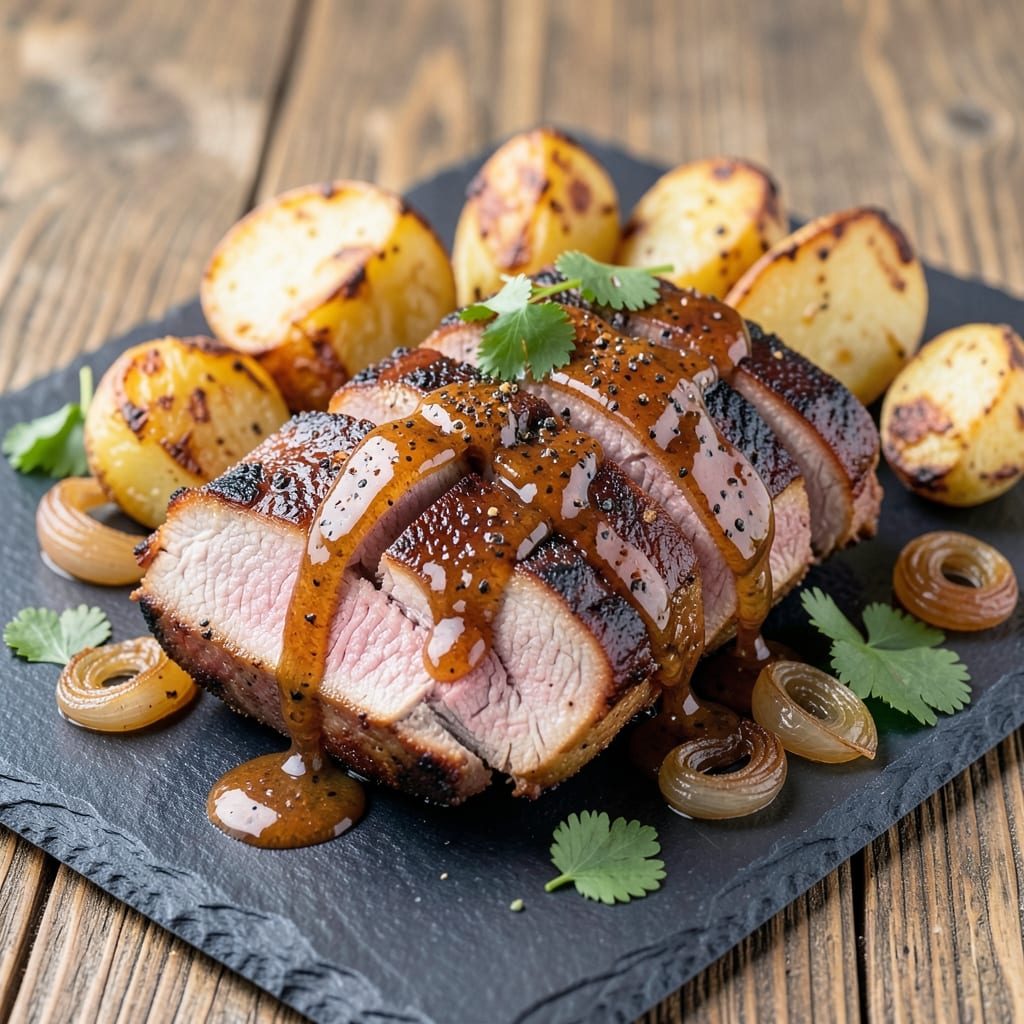
This BBQ boneless pork roast delivers the perfect balance of smoky crust and juicy pink center—a showstopper that transforms any gathering into a Southern feast. 🔥 After years of perfecting pork roasts at The Smoky Pig, I've developed a method that ensures tender meat with a deep, caramelized bark. The secret lies in a carefully timed marinade and precise temperature control, which keeps the interior moist while building that irresistible crust.
What sets this recipe apart is its approachability—no complicated techniques, just a few key steps that yield restaurant-quality results. You'll start with a flavorful dry rub and a simple marinade, then cook the roast low and slow to develop rich, smoky flavors. The basting technique I use locks in moisture while enhancing that bark, ensuring every bite is tender yet packed with flavor. This method works beautifully on a grill, smoker, or even in the oven, making it versatile for any setup.
The result is a juicy, melt-in-your-mouth pork roast with a crispy, caramelized exterior that's impossible to resist. The aroma alone will have everyone gathering around the table, and the first bite delivers that perfect harmony of smoky, savory, and slightly sweet flavors. This dish is ideal for holidays, family dinners, or any occasion where you want to impress without spending hours in the kitchen.
Pair it with classic sides like creamy coleslaw, buttery cornbread, or a fresh garden salad to round out the meal. For an extra touch, serve with a cold beer or a crisp white wine to complement the rich flavors. Let's get started on creating your perfect BBQ boneless pork roast!
Ingredients for bbq boneless pork roast
Six ingredients for the dry rub, five for the marinade—simple but packed with smoky, sweet flavor.
| Ingredient | Amount | Notes |
|---|---|---|
| Boneless Pork Loin Roast 🥩 | 4 lb | Center-cut for juiciness |
| Brown Sugar 🍯 | ½ cup | Light or dark variety |
| Smoked Paprika 🌶️ | 2 tbsp | For deep smoky flavor |
| Ground Black Pepper 🌶️ | 1 ½ tsp | Freshly cracked preferred |
| Kosher Salt 🧂 | 1 ½ tbsp | Diamond Crystal preferred |
| Garlic Powder 🧄 | 1 tbsp | Freshly ground preferred |
| Onion Powder 🧅 | 1 tbsp | For savory depth |
| Dried Thyme 🌿 | 1 tsp | Or 1 tbsp fresh thyme |
| Apple Cider Vinegar 🍎 | ¼ cup | For tenderizing |
| Honey 🍯 | ¼ cup | Wildflower preferred |
| BBQ Sauce 🍅 | ½ cup | Store-bought or homemade |
| Yellow Onion 🧅 | 1 whole | Sliced for marinade |
| Garlic Cloves 🧄 | 4 cloves | Minced for marinade |
| Olive Oil 🫒 | 2 tbsp | Extra-virgin for richness |
The pork loin is your star, so center-cut is non-negotiable—it stays juicy while the edges crisp. Grab it from Costco or Whole Foods if you want the best quality, but any reputable butcher will have it. Look for good marbling and ask for the thickest cut you can find—this ensures even cooking. The smoked paprika is what gives that authentic BBQ flavor, so don't skimp. I always buy mine from Penzeys for that extra depth of flavor that store brands can't match.
No smoked paprika? Regular paprika plus a pinch of liquid smoke works in a pinch. The apple cider vinegar might sound odd, but it's a game-changer for tenderizing the meat—substitute lemon juice if you're fresh out. For the BBQ sauce, Sweet Baby Ray's or Stubb's are my go-tos, but any good-quality sauce will do. The honey adds just the right amount of sweetness, so if you're using a very sweet sauce, cut back slightly. And if you're feeling fancy, add a splash of bourbon to the marinade—just 1 tbsp makes all the difference.
Marinate the pork for at least 4 hours, overnight is best. Keep it cold in the fridge, and don't skip this step—it's what makes the meat so tender. The dry rub can be made a week ahead and stored in an airtight container. Once cooked, the roast reheats beautifully—wrap it tightly in foil and warm in the oven at 300°F for 15 minutes. Leftovers keep for 4-5 days in the fridge or 3 months frozen.
Why You'll Love This Recipe
- Foolproof Timing: I swear by this recipe because it’s the kind of thing you can start at 5:30 PM and still have dinner on the table by 6:15—no stress, no last-minute scrambling. The pork loin cooks fast but stays juicy, and the brown sugar crust caramelizes just enough to give you that sticky, smoky edge without babysitting the oven.
- Sweet-Smoky Magic: That combo of smoked paprika and brown sugar? It’s like a hug for your taste buds. The paprika adds this deep, earthy warmth, while the sugar melts into a glossy finish that makes every bite feel special—no fancy marinades or hours of prep required.
- Leftovers That Shine: Honestly, I always make extra because this roast tastes even better the next day. Slice it thin for sandwiches, cube it for fried rice, or just reheat it with a splash of apple cider—it’s the kind of meal that keeps giving, and your wallet (and fridge) will thank you.
- Weeknight Crowd-Pleaser: Between us, this is my go-to for game day, potlucks, or when my in-laws show up unannounced. It’s hearty enough to feed a group but simple enough that I’m not stuck in the kitchen all night. Plus, the kids actually ask for seconds—rare, but true.
Step-by-step instructions for BBQ boneless pork roast
Here's how to create that perfect smoky crust with a juicy pink center every time!
👨🍳 Step 1: Build the Dry Rub and Marinade
In a medium bowl, combine the 0.5 cup brown sugar, 2 tbsp smoked paprika, 1.5 tsp ground black pepper, 1.5 tbsp kosher salt, 1 tbsp garlic powder, 1 tbsp onion powder, and 1 tsp dried thyme. Mix thoroughly until the sugar granules are completely coated with spices - this ensures even flavor distribution.
In a separate bowl, whisk together the 0.25 cup apple cider vinegar, 0.25 cup honey, and 0.5 cup BBQ sauce. This marinade will tenderize the meat while adding depth of flavor. I like to let the marinade sit for 10 minutes before using so the flavors meld slightly.
🍳 Step 2: Prep the Pork and Apply Seasonings
Pat the 4 lb boneless pork loin roast completely dry with paper towels - this is CRITICAL for developing that perfect smoky crust. I press down firmly on all sides to remove any moisture that would prevent the rub from sticking properly.
Generously coat the entire surface of the pork with the dry rub mixture, pressing it into the meat so it adheres well. Then brush the marinade mixture all over the pork, making sure to get into all the crevices. Let the pork sit at room temperature for 30 minutes before cooking - this ensures even cooking throughout.
🔥 Step 3: Sear for Maximum Flavor
Heat a heavy oven-safe skillet over medium-high heat until very hot. Add the 2 tbsp olive oil and swirl to coat the bottom. Place the pork roast in the skillet and sear for 3-4 minutes per side until you develop a deep golden-brown crust. Don't move it around - let it develop that beautiful Maillard reaction.
While the pork sears, finely chop the 1 whole yellow onion and mince the 4 cloves garlic. These will add another layer of flavor during the roasting process. Once the pork is well-seared, transfer the skillet to a 450°F preheated oven.
🥘 Step 4: Roast to Juicy Perfection
Place the chopped onion and minced garlic around the pork in the skillet. Roast for 25-30 minutes until the internal temperature reaches 145°F (measured with a meat thermometer in the thickest part). The pork should have a beautiful caramelized crust and still be slightly pink in the center - that's what we're aiming for!
Here's the thing - the pork will continue cooking slightly as it rests, so don't overcook it. I check the temperature at the 25-minute mark and then let it finish in the oven. The onions should be soft and caramelized by the end of cooking.
⏰ Step 5: Rest and Serve
Transfer the pork roast to a cutting board and tent loosely with aluminum foil. Let it rest for 10-15 minutes before slicing - this resting period allows the juices to redistribute throughout the meat, ensuring every bite is moist and flavorful.
Slice the pork against the grain into ½-inch thick slices and serve immediately. The crust should be crisp and smoky, while the interior remains tender and juicy. Spoon any pan juices over the top for extra flavor, and serve with the caramelized onions on the side for dipping!
Pro Tips For Making Bbq Boneless Pork Roast
- Sear First, Then Sweat: Hit that pork roast with a screaming-hot pan—no oil needed—until it’s deep golden brown. The sugar in your rub will caramelize better, and the crust locks in flavor instead of steaming away. I used to skip this, and my roast always tasted flat. ---
- Pat Dry Like It’s Your Job: Grab paper towels and press hard—moisture is the enemy of that smoky crust. Even if it feels excessive, leave it bone-dry for 10 minutes before seasoning. Wet surfaces = sad, sticky bark. ---
- Skip the Crowding: If you’re roasting, resist the urge to check early. Let it cook undisturbed for the first 20 minutes—crowding the pan with your face or a thermometer drops the temp and steams the meat. Trust the timer. ---
- Brown Sugar First: Mix your smoked paprika and pepper into the brown sugar before adding salt—this keeps the sugar from clumping into useless gunk. A dry rub sticks better, and you’ll avoid the frustration of lumpy seasoning mid-cook.
Troubleshooting great bbq boneless pork roast
Uneven Cooking
If your pork roast ends up with some areas overcooked while others remain underdone, it’s likely due to uneven heat distribution. I’ve found that using a meat thermometer with multiple probes helps identify hot and cold spots in your oven or grill. For ovens, place a baking sheet on the lower rack to create a more even heat environment. On grills, rotate the roast 90 degrees every 15 minutes to ensure all sides get equal exposure to heat. 🌡️
Dry, Tough Meat
Overcooking is the main culprit for dry pork. The USDA recommends pork to 145°F for medium doneness, but I always pull mine at 140°F—it’ll rise to 145°F while resting. Another trick I swear by is basting the roast with its own juices every 10 minutes during the last 30 minutes of cooking. This keeps the surface moist and prevents drying. Don’t skip the 10-15 minute rest either—this is when the juices redistribute.
Weak Smoky Flavor
If your pork lacks that deep smoky aroma, it’s likely because the rub didn’t adhere properly or the cooking method wasn’t smoky enough. First, make sure your pork is completely dry before applying the rub—moisture is the enemy of adhesion. For extra smokiness, cook the pork over indirect heat with wood chips (hickory or apple work best). If you’re using an oven, place a small tray of wood chips on the bottom rack and let them smolder for 10 minutes before adding the pork. 🌶️
Rub Falling Off
A common issue is the rub not sticking to the meat. This usually happens if the pork isn’t dry enough or the rub isn’t applied generously. My solution? Pat the pork dry with paper towels, then press the rub into the meat firmly with your fingers. For extra grip, mix 1 tbsp cornstarch into the rub before applying it. If you’re cooking on a grill, avoid flipping the pork too often—this can cause the rub to flake off. Instead, let it develop a crust on one side before rotating.
Sauce Too Thin or Thick
The marinade and basting sauce can sometimes turn out too runny or too thick, which affects flavor distribution. If your sauce is too thin, simmer it uncovered for 5 minutes to reduce it. For a thicker sauce, mix in 1 tsp cornstarch with 1 tbsp water and stir it in while heating. I like to adjust the sauce consistency right before basting the pork—this ensures it sticks better and adds a glossy finish to the crust. Taste and adjust the seasoning as well; sometimes the sugar in the rub can make the sauce taste bland.
Uneven Crust Development
An uneven crust can happen if the pork isn’t seared evenly or if the oven temperature fluctuates. To fix this, sear the pork on all sides until deeply browned before transferring it to the oven. If you’re using an oven, preheat it thoroughly and avoid opening the door during cooking—this can cause temperature drops. For a more consistent crust, I like to finish the pork under the broiler for the last 2-3 minutes of cooking. Just watch it closely to avoid burning! ✨
Nutrition facts
Frequently asked questions
Can I substitute boneless pork loin with another cut?
For best results, stick with center-cut boneless pork loin—it stays juicy and cooks evenly. If you must substitute, try pork tenderloin (similar texture) or pork shoulder (but it requires longer cooking). Never use pork chops—they're too thin and will dry out. The key is choosing a cut with good marbling and even thickness.
How do I adjust the recipe for a larger crowd?
Double the dry rub and marinade ingredients, but increase the pork by 25% (e.g., 5 lb roast for 8 servings). Cooking time will extend—plan for 35-40 minutes at 450°F for a 5 lb roast. Use two meat thermometers to monitor temperature in multiple spots. For extra insurance, tent the roast loosely with foil after 20 minutes to prevent over-browning.
Can I make this recipe in a smoker instead of the oven?
Smoke the pork at 225-250°F with hickory or apple wood chips until it reaches 140°F internal temp (about 2-3 hours). Sear it first in a hot skillet to develop crust, then transfer to the smoker. Baste with apple cider vinegar every 30 minutes for extra moisture. The smoky flavor will be even more pronounced—just avoid direct heat to prevent burning.
What's the best way to reheat leftovers?
Slice the pork and reheat in a skillet over medium-low heat with 1 tbsp BBQ sauce and 2 tbsp water per serving. Cover and heat for 5-7 minutes until warmed through. For oven reheating, wrap slices in foil with 1 tsp butter and bake at 300°F for 10 minutes. Never microwave—it makes the meat tough. Leftovers taste best within 3 days.
Can I prepare the dry rub ahead of time?
Yes! Store the dry rub in an airtight container for up to 2 weeks at room temperature. For longer storage, freeze it for 3 months. The marinade should be made fresh, but you can prep all ingredients (except vinegar) 1 day ahead. Keep the pork refrigerated until ready to cook. Pro tip: Add 1 tsp cornstarch to the rub when storing to prevent clumping.