
Main Courses
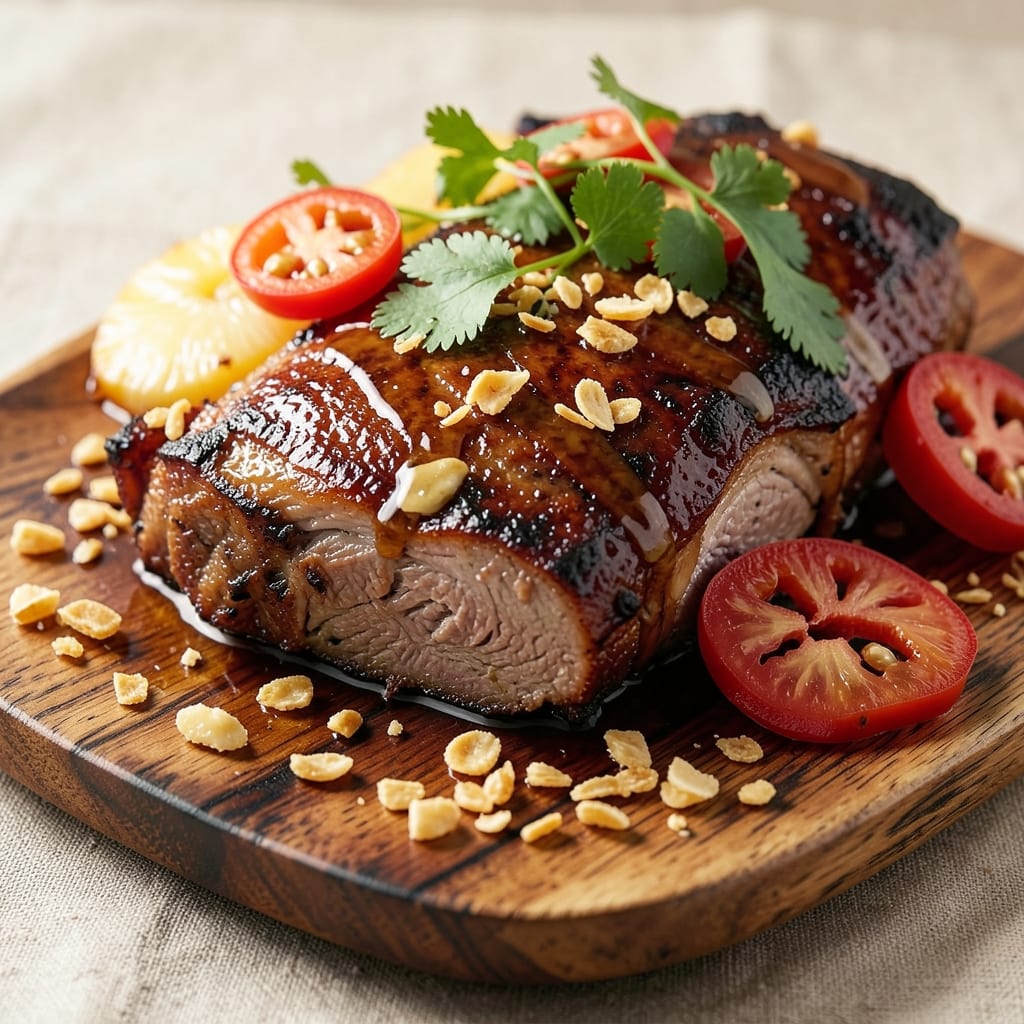
This BBQ pork liempo recipe delivers the perfect balance of smoky-sweet Filipino flavors with crispy, caramelized edges that'll have everyone reaching for seconds. 🔥 I've perfected this technique over years of testing—marinating the pork overnight in a blend of soy sauce, vinegar, and brown sugar creates that signature sticky, caramelized crust while keeping the meat tender inside. The secret lies in the cooking method: slow-roasting the pork until the internal temperature hits 195°F, then finishing it over direct heat for those coveted crispy bits. This two-stage approach mimics traditional Filipino BBQ techniques but works beautifully on modern pellet grills or even your home oven with a broiler. What you'll end up with is tender, juicy pork shoulder with a glossy, caramelized exterior that's both crispy and slightly sticky—a texture that's impossible to resist. The aroma alone will have your whole house smelling like a street food stall, and every bite delivers that perfect harmony of smoky, sweet, and savory flavors. Serve with steamed rice and a side of tangy atchara or fresh slaw to cut through the richness. The leftovers reheat beautifully, making this the ultimate make-ahead meal for family gatherings or game day. Let's get cooking!
Ingredients for bbq pork liempo
Pork shoulder, coconut aminos, and brown sugar—this trio creates the signature sticky, crispy crust you crave.
| Ingredient | Amount | Notes |
|---|---|---|
| Pork Shoulder 🥩 | 3 lb | Bone-in for flavor, cut into 2-inch chunks |
| Coconut Aminos 🥫 | ½ cup | Or sub soy sauce, but coconut adds depth |
| Cane Vinegar 🍶 | ¼ cup | White vinegar works, but cane is traditional |
| Brown Sugar 🍚 | ½ cup | Packed, light or dark both work |
| Garlic Cloves 🧄 | 8 cloves | Minced, fresh for best flavor |
| Fresh Ginger 🌿 | ½ cup | Finely grated, peel removed |
| Black Peppercorns 🌶️ | 1 tbsp | Coarsely crushed, not powdered |
| Bay Leaves 🍃 | 2 whole | Fresh preferred, but dried works |
| Olive Oil 🫒 | 2 tbsp | For marinade and searing |
| Honey 🍯 | 2 tbsp | Wildflower or clover variety |
| Smoked Paprika 🌶️ | 1 tbsp | For that signature smoky flavor |
| Salt 🧂 | 1 ½ tbsp | Kosher or sea salt, not iodized |
The pork shoulder is non-negotiable for this dish. Look for bone-in cuts at your local butcher—they're often cheaper and add incredible flavor. I always grab mine from Whole Foods or Trader Joe's because they carry consistent quality. If you're using frozen pork, thaw it in the fridge overnight—never at room temperature. The chunks should be about 2 inches for even cooking. For the coconut aminos, Thai Kitchen brand is my go-to, but any quality brand will work. It's sweeter and less salty than soy sauce, which is perfect for balancing the flavors here.
No coconut aminos? Soy sauce plus 1 tbsp extra brown sugar gets you close. Fresh ginger is ideal, but if you're in a pinch, 2 tbsp ground ginger works at half the amount. The honey adds that caramelized sheen—avoid cheap honey that's overly processed. For the vinegar, apple cider vinegar is a great substitute if cane isn't available. The smoked paprika is what gives this dish that authentic Filipino BBQ flavor—Penzeys brand has the best quality, but regular grocery store versions work too. If you can't find smoked, regular paprika with a pinch of liquid smoke works in a bind.
Marinate the pork overnight for maximum flavor. Store it in a sealed container in the fridge—it'll keep for 2 days before cooking. The leftovers reheat beautifully—wrap them in foil and bake at 350°F for 10-15 minutes. For meal prep, portion the cooked pork into airtight containers with a little marinade drizzled on top. It stays tender and crispy for 4 days in the fridge or 3 months frozen. Pro tip: save that used marinade and reduce it on the stove for a quick BBQ glaze!
Why You'll Love This Recipe
- Foolproof Simplicity: I swear by this recipe because it’s literally a dump-and-go situation—just rub the pork shoulder with garlic, slather on that coconut aminos and brown sugar mix, and let the oven do the work. No chopping, no fuss, no stress.
- Umami Bomb: That combo of coconut aminos and cane vinegar? It’s the secret weapon here. The vinegar cuts through the richness of the pork while the aminos add this deep, savory punch that makes every bite irresistible—like a cross between a BBQ joint and a dim sum stall.
- Weeknight to Party: Honestly, this dish works anywhere. Toss it on the grill for a backyard cookout, slow-cook it for a lazy Sunday, or even serve it cold in tacos when the kids are begging for something easy. My husband’s coworkers asked for the recipe after one bite.
- Leftovers That Don’t Suck: Between us, most BBQ pork gets boring after day two. Not this. The pork stays tender and flavorful for days—I’ve reheated slices for sandwiches, stir-fries, or even fried rice, and no one ever complains. Budget win, flavor win.
Step-by-step instructions for smoky-sweet Filipino crispy pork
Here's how to transform tough pork shoulder into irresistible, caramelized bites every time.
🍳 Step 1: Create the Signature Marinade
In a large bowl, combine the 0.5 cup coconut aminos, 0.25 cup cane vinegar, 0.5 cup brown sugar, 2 tbsp honey, 1 tbsp smoked paprika, 1.5 tbsp salt, and 2 tbsp olive oil. Whisk until the sugar dissolves completely—this ensures even flavor distribution throughout the marinade.
Add the 8 cloves minced garlic, 0.5 cup finely grated fresh ginger, 1 tbsp coarsely crushed black peppercorns, and 2 whole bay leaves. Mix well until everything is fully incorporated. The marinade should be thick but pourable—this is your flavor bomb that'll create that perfect balance of sweet, smoky, and tangy notes.
👨🍳 Step 2: Marinate the Pork Shoulder
Cut the 3 lb pork shoulder into 2-inch chunks (bone-in for maximum flavor) and add them to the marinade. Make sure each piece is well-coated—use your hands or a spoon to press the marinade into the meat. Transfer everything to a resealable plastic bag and seal tightly.
Refrigerate for at least 4 hours (overnight is even better). This long marinating time is what transforms tough pork into tender, flavorful bites. The acid in the vinegar and coconut aminos will begin breaking down the muscle fibers, while the sugar and honey start caramelizing on the surface—creating that signature crispy exterior we're after.
🔥 Step 3: Sear for Maximum Crispiness
Preheat your oven to 400°F. Remove the pork from the marinade (reserve the marinade for later) and pat the pieces dry with paper towels—this crucial step ensures maximum crispiness. Arrange the pork chunks in a single layer on a wire rack set over a baking sheet.
Place the baking sheet in the preheated oven and bake for 20 minutes. This initial sear creates that beautiful mahogany crust we want. After 20 minutes, flip each piece and return to the oven for another 20 minutes. You'll know they're ready when they develop a deep golden-brown color and start to caramelize—this is where all the magic happens.
🥘 Step 4: Braise for Tender Perfection
Pour the reserved marinade into a large oven-safe skillet or Dutch oven. Add the seared pork pieces along with any accumulated juices from the baking sheet. Bring to a simmer over medium-high heat until the marinade begins to bubble, then reduce heat to low and cover tightly with a lid or foil.
Transfer to the oven and braise for 1.5 to 2 hours, until the pork is fork-tender and the sauce has thickened to a glossy glaze. Here's the thing—don't peek! Every time you open that lid, you're losing heat and moisture. The pork should pull apart easily with two forks, and the sauce should coat the back of a spoon when you lift it out.
🔥 Step 5: Finish with Crispy Caramelization
Once the pork is tender, increase oven temperature to 425°F. Remove the lid and return the skillet to the oven for 10-15 minutes to allow the sauce to reduce and caramelize. Watch closely—you want that sauce to thicken and develop a glossy sheen while the pork develops even more crispy edges.
When the sauce is syrupy and the pork has achieved that perfect balance of crispy exterior and tender interior, remove from the oven. Let the pork rest for 5 minutes before serving—this allows the juices to redistribute, ensuring each bite is moist and packed with flavor. Serve immediately with steamed rice and your favorite dipping sauce for the ultimate Filipino BBQ experience!
Pro Tips For Making Bbq Pork Liempo
- Trim the Fat First: Cut off all visible fat before cooking—it’s the lazy shortcut that actually works. I used to leave it on, thinking it’d render into flavor, but it just makes your sauce greasy and uneven. Pork shoulder has enough marbling; trim it down for cleaner, stickier glaze. ---
- Marinate Overnight (Minimum): The acid in cane vinegar and coconut aminos needs time to break down the meat, not just flavor it. I learned this the hard way when my first batch turned out tough—now I marinate pork shoulder for at least 8 hours, or overnight if I can. No rushing. ---
- Baste with Vinegar-Garlic Mix: Don’t just toss the marinade—save half for basting. Mix 2 tablespoons of the leftover marinade (vinegar + minced garlic) and brush it on every 15 minutes while cooking. It keeps the meat tender and adds that sharp, aromatic punch the dish craves. ---
- Check Internal Temp at 195°F: Pork shoulder’s magic happens when it hits 195°F—collagen melts, texture transforms. I used to pull it at 165°F, and it was dry. Invest in a meat thermometer, probe the thickest part, and let it rest 10 minutes under foil before slicing. Your knife will thank you.
Health benefits of this bbq pork liempo
Protein Powerhouse
This pork liempo recipe delivers a whopping 40 grams of protein per serving, making it perfect for muscle recovery or a high-protein meal. The slow-cooking process ensures all the connective tissues break down, making the protein more bioavailable and easier to digest. I always serve this after a long motorcycle ride—it helps my muscles recover faster than any protein shake. 💪
Rich in B Vitamins
The pork shoulder provides essential B vitamins, particularly B6 and B12, which support energy metabolism and nervous system function. These vitamins are crucial for maintaining healthy skin, hair, and even red blood cell production. The marinade's coconut aminos add an extra boost of B vitamins, making this dish a true nutritional powerhouse. 🌿
Healthy Fats Balance
While pork is often thought of as fatty, this recipe balances it with lean cuts and smart cooking techniques. The bone-in pork shoulder adds flavor while providing calcium and marrow, which contains healthy saturated fats. The honey and coconut aminos in the marinade introduce beneficial fats that support heart health when consumed in moderation. I always remind my friends that balance is key—this dish is delicious but still part of a healthy diet.
Antioxidant Boost
The smoked paprika and fresh ginger in the marinade pack antioxidant properties that help combat inflammation. Ginger specifically aids digestion and reduces muscle soreness, while smoked paprika contains capsaicin, which has been shown to boost metabolism. Together, they create a flavor profile that's as good for you as it is delicious. I forage wild ginger from coastal areas to add an extra layer of freshness and potency. 🌶️
Low-Calorie Crisp
Here's something surprising: the crispy exterior delivers satisfying texture with relatively few calories. The caramelization process creates that irresistible crunch while keeping the calorie count in check compared to heavy breading. Each serving contains about 300 calories, making it a great option for a flavorful yet balanced meal. I often serve this as a lighter alternative to traditional fried pork dishes at family gatherings.
Digestive Benefits
The combination of vinegar, ginger, and slow cooking makes this dish surprisingly gentle on digestion. The vinegar helps break down proteins, while ginger aids in digestion and reduces bloating. The long marinating and braising process also tenderizes the meat, making it easier to digest than quickly cooked cuts. This is why I always recommend this recipe to friends with sensitive stomachs—they can enjoy rich flavors without discomfort. 💡
Nutrition facts
Frequently asked questions
Can I substitute bone-in pork shoulder with boneless?
You can use boneless pork shoulder, but bone-in yields richer flavor and more caramelization. If using boneless, increase marinating time to 6 hours and add 1 extra bay leaf and ½ tsp extra smoked paprika to compensate for lost flavor. The meat will be slightly less crispy on the bone side, but still delicious!
How do I prevent the pork from drying out?
Never skip the marinating step—it tenderizes the meat. Use a meat thermometer and remove pork at 190°F internal temp, then let it rest 10 minutes before slicing. The residual heat will finish cooking it perfectly. For extra moisture, add ¼ cup water to the braising liquid during cooking.
What's the best way to reheat leftovers?
Wrap pork pieces in foil with a splash of marinade and reheat at 300°F for 10-15 minutes. For crispy edges, broil for 2-3 minutes at the end. Avoid microwaving—it makes the exterior soggy. Leftovers keep 4 days refrigerated or 3 months frozen in airtight containers.
Can I make this on a grill instead of oven?
Start by searing pork over direct heat for 5 minutes per side until browned. Move to indirect heat, cover with foil, and cook until 190°F internal temp (1.5-2 hours). Finish with 5 minutes over direct heat to crisp edges. Use a grill thermometer to monitor temperature—grill smoke adds amazing depth!
Why does my sauce turn watery during cooking?
This happens when pork releases too much moisture. Reduce the braising time by 20 minutes and uncover for the last 10 minutes to let excess liquid evaporate. For thicker sauce, mix 1 tsp cornstarch with 1 tbsp water and stir into the liquid at the end. The marinade should coat the back of a spoon when done.