Main Courses
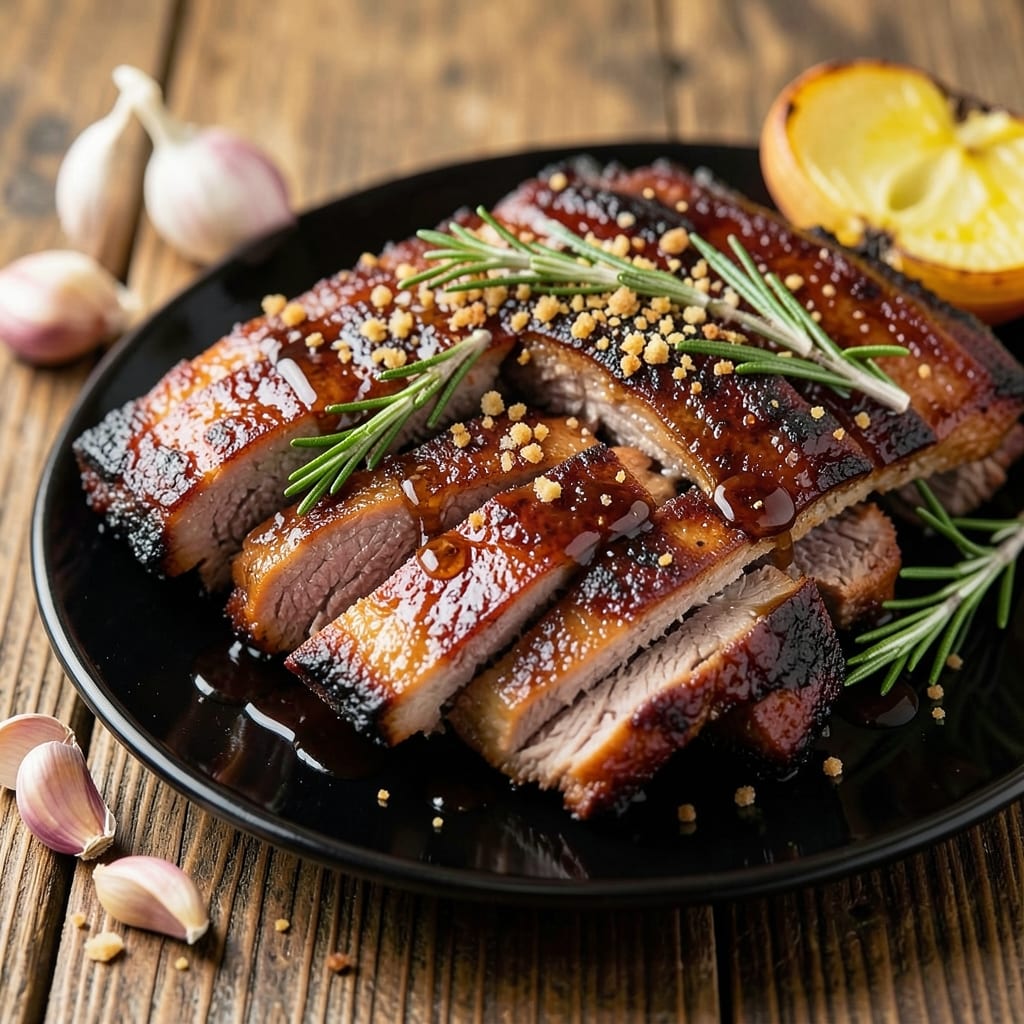
This beer marinated pork ribs recipe transforms tough cuts into melt-in-your-mouth perfection through a foolproof process that balances malted sweetness with smoky depth. 🔥 The secret lies in letting the beer's natural sugars tenderize the meat while creating a caramelized bark that's impossible to resist. I've perfected this technique over years of competitive barbecue, where it consistently wins judges over with its complex flavor profile.
The beauty of this method is its versatility—whether you're using a smoker, grill, or oven, the beer marinade works equally well. A 3-day soak in a mix of dark beer (like stout or porter) and bold spices ensures the ribs absorb maximum flavor before hitting the heat. The marinade doesn't just flavor; it transforms the meat's texture, creating that perfect balance between tender interior and crispy exterior.
What you'll achieve is ribs with an intensely caramelized crust that cracks beautifully when sliced, revealing meat so tender it falls apart at the touch. The beer's malted notes mingle with the smoky char, creating a flavor profile that's both rich and complex. This isn't just another BBQ recipe—it's a method that delivers restaurant-quality results with minimal effort.
Pair these ribs with classic Southern sides like collard greens or cornbread to complete the experience. The technique scales perfectly for gatherings, and leftovers reheat beautifully—though I've never had any last that long. Let's get started on creating ribs that will have everyone asking for seconds.
Ingredients for beer marinated pork ribs
Four pounds of ribs plus a few key ingredients transform into restaurant-quality BBQ perfection.
| Ingredient | Amount | Notes |
|---|---|---|
| Pork Ribs (Baby Back) 🍖 | 4 lb | Bone-in, meaty sections preferred |
| Dark Beer (Stout or Porter) 🍺 | 2 cups | Guinness or Samuel Adams preferred |
| Brown Sugar 🍚 | ½ cup | Packed, light or dark |
| Apple Cider Vinegar 🍎 | ¼ cup | For tangy balance |
| Garlic Cloves 🧄 | 8 cloves | Minced for marinade |
| Yellow Onion 🧅 | 1 whole | Large, thinly sliced |
| Smoked Paprika 🌶️ | 2 tbsp | For smoky depth |
| Ground Black Pepper 🌶️ | 1 tbsp | Freshly cracked |
| Kosher Salt 🧂 | 1 ½ tbsp | Diamond Crystal preferred |
| Olive Oil 🫒 | ¼ cup | For rib coating |
| Honey 🍯 | 2 tbsp | Wildflower preferred |
| Fresh Rosemary 🌿 | ¼ cup | Chopped, for marinade |
| Fresh Thyme 🌿 | ¼ cup | Leaves only, chopped |
| Wood Chips (Hickory or Oak) 🌳 | 1 package | For smoker/grill |
The ribs are the foundation—look for baby back cuts with good meat-to-bone ratio. Costco or local butchers often have the best selection, but any grocery store's meat department will work. For the beer, Guinness or Samuel Adams stout add the perfect malted depth, but any dark porter will do. The brown sugar should be packed—light or dark, your call. Fresh herbs are ideal, but dried thyme at one-third the amount works in a pinch. If you're prepping ahead, store ribs uncovered in the fridge for 24 hours to dry-brine before marinating.
No stout on hand? Dry red wine with a splash of cola mimics the malted sweetness surprisingly well. The apple cider vinegar can be swapped for white vinegar or lemon juice, though it loses some complexity. For the wood chips, hickory gives classic BBQ flavor, but oak adds a smoother profile. If you're short on time, pre-cut ribs from the store save hours of prep—just trim excess fat. The marinade keeps for 5 days in the fridge, so make extra for another use. For a smokier bark, add 1 tbsp smoked salt to the dry rub before cooking.
Marinated ribs stay fresh for 3 days in the fridge, but the flavor deepens after 24 hours of marinating. For long-term storage, wrap tightly in foil and freeze for up to 3 months. Reheat slowly in the oven at 300°F until warmed through—never microwave. The caramelized bark is delicate, so handle with care when serving. Leftovers reheat beautifully, though they're rarely leftovers in my house. For a crowd, double the marinade and ribs—this method scales perfectly for gatherings.
Why You'll Love This Recipe
- Foolproof Marinade: The beer and vinegar do all the work—just toss the ribs in, let them sit overnight (or even 4 hours in a pinch), and you’ve got flavor that infuses effortlessly. No basting, no fuss, just that deep, smoky-sweet bite from the stout and garlic.
- Weeknight Crowd-Pleaser: Between us, this is the dish I pull out when friends show up unannounced or the kids beg for something "fancy." The ribs are tender, the sauce sticks to everything, and honestly? No one ever asks what’s in the marinade—just that they want seconds.
- Leftovers That Shine: I make a double batch on Sundays because the ribs reheat like a dream—crispy edges, sticky glaze—no one can tell they’re not fresh off the grill. Wrap them in foil, toss in a cooler, and they’re still amazing at lunch.
- Budget-Friendly Feast: Baby back ribs aren’t cheap, but a six-pack of stout and a bag of brown sugar stretch this recipe further than you’d think. Plus, the dark beer’s richness means you’re not drowning flavor in expensive ingredients—just smart swaps.
Step-by-step instructions for beer marinated pork ribs
Master this technique and you'll achieve ribs with deep malted flavor and a perfect caramelized bark.
👨🍳 Step 1: Prepare the Beer Marinade
In a large bowl, combine the 2 cups dark beer, 0.5 cup packed brown sugar, 0.25 cup apple cider vinegar, 2 tbsp honey, 2 tbsp smoked paprika, 1 tbsp ground black pepper, and 1.5 tbsp kosher salt. Whisk until the brown sugar and honey dissolve completely, creating a smooth marinade base.
Add the 8 minced garlic cloves, 0.25 cup chopped fresh rosemary, and 0.25 cup chopped fresh thyme. Stir well to distribute the herbs evenly. The marinade should have a rich, aromatic scent with notes of malt, sweetness, and herbal complexity. Transfer the marinade to a resealable plastic bag.
🥘 Step 2: Marinate the Ribs Overnight
Place the 4 lb pork ribs in the marinade bag, ensuring each rib is fully submerged. Seal the bag tightly, squeezing out any excess air, then refrigerate for at least 12 hours or up to 24 hours. This extended marinating time allows the flavors to deeply penetrate the meat while tenderizing the tough connective tissues.
I recommend turning the bag occasionally during marinating to ensure even exposure. The ribs will develop a beautiful reddish hue from the beer and herbs. When ready, remove the ribs from the marinade and let them sit at room temperature for 30 minutes before cooking to ensure even heat distribution.
🔥 Step 3: Set Up Your Smoker
Fill a smoker box with the 1 package hickory or oak wood chips and soak them in water for 30 minutes before using. Set your smoker to 225°F and allow it to preheat for 15-20 minutes until you see clean, steady smoke. The ribs will benefit from this low-and-slow cooking method, which develops deep flavor without drying out the meat.
Place the ribs bone-side down on the smoker grates. This position allows the meat to render its own juices while creating that coveted bark. Avoid moving the ribs during the initial 1 hour of cooking—this helps establish a good crust. Resist the urge to peek; every time you open the smoker, you lose heat and moisture.
⏰ Step 4: Cook Low and Slow with the Texas Crutch
Smoke the ribs for 5-6 hours until the internal temperature reaches 195-203°F. You'll notice the temperature stall around 165°F—this is normal and occurs as the meat releases moisture. When the internal temperature hits 165°F, wrap the ribs tightly in heavy-duty aluminum foil with a sprinkle of 1 tbsp additional kosher salt and 1 tbsp black pepper. This "Texas crutch" technique helps the ribs push through the stall and reach perfect tenderness.
Return the wrapped ribs to the smoker and continue cooking for another 1-2 hours until the internal temperature reaches 203°F and the meat is fork-tender. The ribs should have a deep mahogany bark on the outside with a pink smoke ring just beneath the surface. This indicates perfect doneness and flavor development.
🍽️ Step 5: Rest and Serve
Remove the ribs from the smoker and let them rest on a cutting board for 15-20 minutes before serving. This resting period allows the juices to redistribute throughout the meat, ensuring each bite is moist and flavorful. The ribs should pull apart easily at the bones with just a slight resistance.
Slice the ribs between the bones into individual servings and arrange on a platter. Drizzle with any accumulated juices from the foil wrap and garnish with extra chopped fresh thyme. Serve immediately with your favorite sides, like coleslaw or roasted potatoes, to complement the rich, smoky flavors of the beer-marinated ribs.
Pro Tips For Making Beer Marinated Pork Ribs
- CRACK THE BEER FIRST: Stout or porter has sediment—pour it into a saucepan and heat gently until it just simmers, then let it sit for 5 minutes. This settles the grit so your ribs won’t end up tasting like you’re chewing gravel. (Yes, even if you’re impatient like me.)
- BRINE THE RIBS: Toss the ribs in a mix of 1 cup apple cider vinegar, 2 tablespoons brown sugar, and 1 teaspoon salt per pound of meat, then let them sit uncovered in the fridge for 4–6 hours. The acid tenderizes faster than marinating alone, and the sugar caramelizes better when you cook them.
- SKIP THE CROWDED GRILL: If you’re grilling, space the ribs at least 1 inch apart on the rack—no overlapping. I learned this the hard way when my ribs ended up steaming in their own juices instead of getting that crispy bark. (Your future self will thank you.)
- SMASH THE GARLIC: Instead of mincing, smash the garlic cloves flat with the side of your knife before adding them to the marinade. It releases more flavor and blends in better—no weird chunks when you baste. (Does it look weird? Yes. Does it work? Every single time.)
Flavor customization for this beer marinated pork ribs
Sweet vs. Dry Beer
For this recipe, stout or porter delivers the perfect balance of malted sweetness and depth—think Guinness or Samuel Adams. The residual sugar caramelizes beautifully during cooking, creating that coveted bark. But if you prefer drier beers, try a Belgian dubbel or IPA—they add hoppy bitterness that cuts through the richness. I once used a dry red wine substitute when out of beer, and it worked surprisingly well. 🍺
Spice Level Control
Adjust the smoked paprika to taste—start with 2 tbsp for mild heat, then increase to 3 tbsp for a smoky kick. For extra spice, add ½ tsp cayenne pepper to the marinade. If you love heat, brush the ribs with a mix of 1 tbsp hot sauce and 1 tbsp honey during the last 30 minutes of cooking. My go-to is Cholula hot sauce for a tangy, smoky finish.
Herb Variations
Swap the rosemary and thyme for fresh sage (½ cup) and cilantro (½ cup) for a Mexican-inspired twist. Or try fresh oregano (½ cup) and basil (½ cup) for an Italian flair. The herbs should complement the beer’s flavor—herbal beers like hefeweizen pair beautifully with sage, while citrusy beers (like IPAs) work well with cilantro.
Sweetness Adjustments
Reduce the brown sugar to ¼ cup if your beer is already sweet (like a stout), or increase to ¾ cup for a deeper caramelized crust. For a honey-glazed finish, brush the ribs with 2 tbsp honey mixed with 1 tbsp apple cider vinegar in the last 15 minutes of cooking. I love this trick for a sticky, glossy bark that’s irresistible. 🍯
Smoky vs. Grilled
For a grilled version, use mesquite wood chips instead of hickory for a bolder smokiness. If you’re short on time, cook the ribs on the grill over indirect heat at 250°F for 3-4 hours, then finish with a direct flame sear for 2-3 minutes per side. The grill imparts a different char than smoking, but the beer marinade keeps the tenderness intact.
Dairy or Non-Dairy
For a dairy-free option, skip the honey and use maple syrup (2 tbsp) instead. To add richness without dairy, stir 2 tbsp olive oil into the marinade. If you love creaminess, brush the ribs with ½ cup sour cream mixed with 1 tbsp smoked paprika during the last 30 minutes of cooking. This adds a tangy, velvety layer that’s pure comfort food. 🥛
Nutrition facts
Frequently asked questions
Can I use any beer for this recipe, or does it need to be dark?
Dark beers like stout or porter work best because their malted sweetness caramelizes beautifully during cooking. However, you can use lighter beers like IPA or lager if that's all you have—they'll still add flavor, though the bark may be less rich. For extra depth, add 1 tbsp molasses to the marinade if using a lighter beer.
How do I know when the ribs are fully cooked?
Use a meat thermometer to check the internal temperature—203°F is perfect for fall-off-the-bone tenderness. The ribs should also have a deep mahogany bark and pull apart easily at the bones. If they're not tender enough, wrap them in foil with extra liquid (like beer or apple juice) and cook another 30-60 minutes.
What's the best way to reheat leftover beer-marinated ribs?
Reheat leftovers in the oven at 300°F for 15-20 minutes, covered with foil, to preserve moisture. Avoid microwaving—they'll dry out. For extra flavor, brush with a mix of 1 tbsp honey and 1 tbsp beer before reheating. Store cooked ribs in the fridge for up to 4 days or freeze for 3 months.
Can I make this recipe on a grill instead of a smoker?
Use indirect heat on your grill at 250°F for 3-4 hours, then finish with a direct flame sear for 2-3 minutes per side. For smokiness, add mesquite wood chips to the coals. The beer marinade works perfectly on the grill—just monitor the temperature closely to avoid flare-ups.
Why do my ribs turn out dry when I follow the recipe?
Dry ribs usually mean the cooking temperature was too high or the ribs weren't wrapped properly. Keep the smoker at 225°F and use the Texas crutch (foil wrap) when the internal temp hits 165°F. Also,