Main Courses
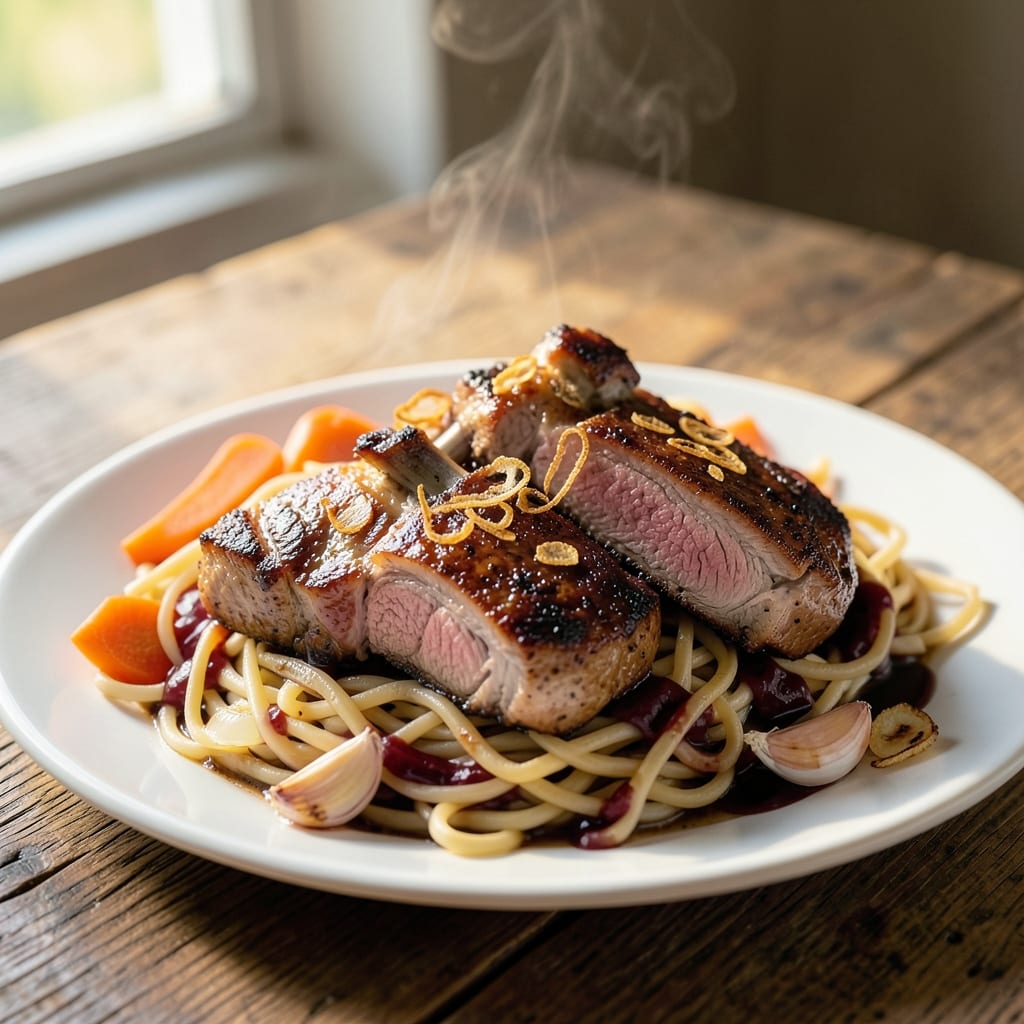
This beer pork chops and noodles recipe transforms weeknight dinners into a rich, savory experience with just one pan. After years of perfecting pork dishes at Atlanta's Smoky Pig, I've developed a method that balances malty beer depth with tender meat and hearty noodles—no fancy techniques required. The secret lies in a slow braise that lets the pork absorb the beer's complexity while staying fork-tender.
We start with bone-in pork chops (never boneless—they're too dry) seared until golden, then braised in a mix of dark beer and aromatic vegetables until the meat falls off the bone. Meanwhile, egg noodles cook in the same pot, absorbing the deep, caramelized flavors. The result? A dish where every bite delivers crispy edges, tender meat, and noodles coated in a sauce that's both rich and balanced—no separate sides needed.
What makes this recipe work is the beer selection: a dark ale or porter adds depth without overpowering, while a touch of brown sugar creates caramelization that rounds out the flavors. The dish serves four in under an hour, with minimal cleanup—just one pot to wash. Perfect for feeding a crowd or a cozy weeknight meal, this combination proves that comfort food can be both impressive and effortless.
For those who love pork but want to elevate it beyond basic preparations, this method delivers restaurant-quality results at home. The pork chops develop a beautiful crust from the sear, while the braising creates layers of flavor that transform simple ingredients into something extraordinary. Whether you're serving family or impressing guests, this one-pan wonder delivers satisfaction every time.
Ingredients for beer pork chops and noodles
Bone-in pork chops, malty beer, and hearty egg noodles—this one-pan combo delivers restaurant-quality depth at home.
| Ingredient | Amount | Notes |
|---|---|---|
| Bone-In Pork Chops 🥩 | 1 ½ lb | 1-inch thick, center-cut preferred |
| Egg Noodles 🍜 | 12 oz | Fresh or dried, medium width |
| Dark Ale or Porter 🍺 | 1 ½ cups | Non-alcoholic substitute works too |
| Yellow Onion 🧅 | 1 whole | Medium size, sliced into wedges |
| Carrot 🥕 | 2 whole | Medium size, cut into chunks |
| Garlic Cloves 🧄 | 4 cloves | Smash lightly before adding |
| Brown Sugar 🍯 | 2 tbsp | Light or dark variety |
| Tomato Paste 🍅 | 2 tbsp | Smooth, no added salt |
| Chicken or Vegetable Broth 💧 | ½ cup | Low-sodium preferred |
| Olive Oil 🫒 | 2 tbsp | Extra-virgin for richness |
| Fresh Thyme 🌿 | 1 tbsp | Leaves only, stems removed |
| Salt 🧂 | 1 ½ tsp | Kosher or sea salt |
| Black Pepper 🌶️ | ½ tsp | Freshly ground preferred |
| Bay Leaves 🌿 | 2 whole | Remove before serving |
The pork chops are non-negotiable for this dish—bone-in, 1-inch thick cuts ensure they stay juicy while braising. Local butchers often have perfect center-cut chops, but grocery stores carry them too. Look for good marbling, not too much fat. The beer selection matters—dark ales or porters add depth without overpowering, but non-alcoholic versions work perfectly fine. If you can't find fresh thyme, dried thyme at one-third the amount is a solid swap, though fresh is ideal for that bright aroma. For the noodles, egg noodles are essential—they hold up better to the braising liquid than wheat pasta.
No dark beer? Stout or even a robust red wine can work in a pinch, though the flavor profile will shift slightly. The tomato paste can be skipped if you're sensitive to acidity, but it adds a nice depth. Brown sugar is key for caramelization—light or dark doesn't matter, but don't use white sugar. For the broth, low-sodium is critical—you'll be adding salt later, and you don't want to overdo it. If you're using dried noodles, cook them al dente before adding to the pot—they'll finish cooking in the braising liquid. The bay leaves add subtle earthiness, but if you're not a fan, a pinch of dried rosemary works too.
This dish tastes even better the next day—reheats beautifully with a splash of water or broth. Store leftovers in an airtight container in the fridge for up to 4 days, or freeze for 3 months. For meal prep, portion the noodles and pork separately—reheat the pork first, then toss with noodles and a little extra braising liquid. The sauce thickens as it cools, so adding a splash of broth when reheating keeps it silky. If you make extra, double the beer—it keeps for months in the fridge and makes a great base for future braises.
Why You'll Love This Recipe
- One-Pan Magic: I swear by this—just toss everything in one skillet. The pork chops sear right alongside the onions and carrots, then the beer deglazes everything into a rich, sticky sauce. No flipping pans, no stress.
- Deep Umami Bomb: That dark ale? It’s not just for drinking—it transforms the pork into something ridiculously tender with a caramelized edge. The noodles soak up the flavor like a sponge, and honestly, the first bite makes you question why you ever cooked pork any other way.
- Leftovers That Don’t Suck: Between us, most "leftover" meals are sad. Not this. The sauce thickens even more overnight, and reheating it turns the pork into melt-in-your-mouth shreds. Pack it for lunches or freeze portions—no one will guess it’s not fresh.
- Budget Feast for Four: Bone-in pork chops stretch further than you’d think when braised, and a single bottle of porter covers the whole dish. Add a bag of noodles and a few cheap veggies, and suddenly you’ve got a filling, hearty meal that costs less than takeout. My wallet thanks me every time.
Step-by-step instructions for beer-braised pork chops with noodles
This one-pan method delivers tender pork chops and al dente noodles bathed in rich, malty beer sauce.
Sear the Bone-In Pork Chops
Heat a large oven-safe skillet over medium-high heat until hot. Add 2 tablespoons olive oil and swirl to coat. Pat the 1.5 lb bone-in pork chops completely dry with paper towels—this ensures maximum browning. Season both sides generously with 1.5 teaspoons salt and 0.5 teaspoon black pepper.
Place the pork chops in the skillet, bone-side down first, and cook for 4-5 minutes until golden brown. You'll see the fat render out and the meat develop a deep crust. Flip the chops and sear the other side for another 4-5 minutes. Remove the chops and set aside on a plate—they'll continue cooking in the oven.
Build the Beer and Vegetable Base
In the same skillet, add 1 whole yellow onion sliced into wedges and 2 whole carrots cut into chunks. Cook for 5 minutes until the vegetables begin to soften and release their natural juices. Add the 4 cloves garlic cloves (smash them lightly first) and cook for another 30 seconds until fragrant.
Pour in the 1.5 cups dark ale or porter and scrape up any browned bits from the bottom of the pan—this releases all the flavor locked in the sear. Stir in the 2 tablespoons tomato paste and 2 tablespoons brown sugar, then add the 0.5 cup chicken or vegetable broth, 1 tablespoon fresh thyme, and 2 whole bay leaves. Bring to a gentle simmer.
Braise the Pork Chops and Cook Noodles
Return the pork chops to the skillet, bone-side up, and pour enough liquid to come about halfway up the sides of the chops. Cover the skillet and transfer to a preheated 375°F oven. Braise for 25-30 minutes until the pork chops reach an internal temperature of 145°F and the sauce thickens slightly.
While the pork chops braise, cook the 12 oz egg noodles in a separate pot of boiling salted water for 1 minute less than package instructions—you want them al dente so they don't turn mushy in the sauce. Drain and set aside, covered.
Finish and Combine
Remove the pork chops from the oven and let them rest for 5 minutes before slicing between the bone and meat. Discard the bay leaves and carefully transfer the pork chops and sauce to a serving platter. Add the cooked noodles to the skillet and toss to coat them in the malty beer sauce.
Serve the noodles directly from the skillet, topped with the sliced pork chops. The sauce should be rich and slightly thickened, with deep caramelized notes from the seared pork and sweet undertones from the brown sugar. Garnish with extra thyme if desired—each bite delivers tender pork, hearty noodles, and complex beer flavors.
Pro Tips For Making Beer Pork Chops And Noodles
- SEAR BONE-IN CHOPS FIRST: High heat for 3-4 minutes per side until the bone-in chops are deep golden—don’t rush this. The crust locks in flavor and keeps them juicy while braising, and skipping it means bland, soggy pork that’s just sad. (Yes, even if you’re impatient like me.)
- SALT THE BEER: Add a generous pinch of kosher salt to your dark ale or porter before deglazing the pan. The beer’s bitterness mellows, and the pork absorbs that extra seasoning while it cooks. I learned this the hard way—plain beer makes the dish taste flat.
- DON’T OVERCOOK THE NOODLES: Egg noodles are done when they’re just tender—about 2 minutes less than the package says. They’ll finish in the final simmer with the pork, so pull them early. Overcooked noodles turn mushy in the sauce, and no one wants that.
- USE THE VEGETABLES SMART: Dice the onion into ¼-inch pieces and shred the carrot into matchsticks—they’ll soften fast in the beer. Toss them in last, 5 minutes before serving, so they stay crisp enough to bite into. (Yes, even if you’re tempted to cook them longer for "full flavor.")
Perfect pairings for this dish
Beer Selection Guide
For this dish, I always reach for dark ales or porters—they add depth without overpowering the pork. My go-to is Guinness for its roasted maltiness or Founders Kentucky Breakfast Stout for a smoky twist. If you prefer non-alcoholic options, Heineken 0.0 or O'Doul's Amber Ale work beautifully. Avoid light lagers—they lack the body to complement the rich sauce. 🍺
Pro tip: Let the beer sit at room temperature for 10 minutes before using—cold beer won’t release its flavors as effectively. If you’re using a stout, add ½ teaspoon smoked paprika to the sauce for extra depth. The beer’s bitterness balances the sweetness of the brown sugar, creating a perfect harmony.
Wine Pairings
A medium-bodied red wine like Pinot Noir or Syrah complements the dish’s malty richness without competing. I love a Willamette Valley Pinot Noir—its bright acidity cuts through the beer’s sweetness while enhancing the pork’s caramelized crust. For whites, a dry Riesling from Germany adds a citrusy contrast that cleanses the palate between bites. 🍷
Avoid heavy, tannic reds like Cabernet Sauvignon—they’ll clash with the beer’s maltiness. If you’re serving this at a casual gathering, a local craft IPA (like New Belgium Fat Tire) can also work, but it’s best enjoyed alongside rather than with the dish.
Side Dish Suggestions
This one-pan meal is hearty enough to stand alone, but if you want to add sides, roasted Brussels sprouts with balsamic glaze or garlic sautéed green beans keep the meal balanced. I often serve crusty sourdough bread on the side—it’s perfect for soaking up the rich beer sauce. For a lighter option, a simple arugula salad with lemon vinaigrette adds freshness. 🥗
If you’re serving a crowd, pickled red onions or quick-pickled radishes add a tangy crunch that cuts through the richness. For a Southern touch, collard greens cooked with smoked turkey neck make an excellent pairing—just simmer them until tender and finish with a splash of apple cider vinegar.
Garnish Finishes
Fresh thyme sprigs or chopped parsley brighten the dish at the table, while toasted sesame seeds add a nutty crunch. I also love a drizzle of honey (just 1 teaspoon) to enhance the caramelized flavors. For a smoky finish, sprinkle crushed black pepper or smoked sea salt over the top before serving. 🌟
If you’re feeling adventurous, top the noodles with crumbled blue cheese or shaved Parmesan for a creamy contrast. The key is to keep garnishes simple—let the beer-braised pork and noodles shine while adding just enough texture and flavor to elevate the dish.
Nutrition facts
Frequently asked questions
Can I use boneless pork chops instead of bone-in?
While it's possible, I strongly recommend using bone-in pork chops for this recipe. The bone adds natural moisture and flavor as it braises, keeping the meat incredibly tender. Boneless chops tend to dry out more easily in the beer sauce. If you must use boneless, choose thick-cut (at least 1-inch thick) and reduce the braising time by 5 minutes to prevent overcooking.
What if I don't have dark beer? Can I substitute?
For a lighter beer, try a robust amber ale or even a red wine (like Merlot) in the same quantity. Non-alcoholic options like Heineken 0.0 or O'Doul's Amber Ale work perfectly too. The key is avoiding light lagers—they lack the maltiness needed to complement the rich pork flavors. If using wine, reduce the brown sugar to 1 tablespoon to balance the acidity.
How do I prevent the noodles from turning mushy in the sauce?
Cook the noodles 1 minute less than package instructions before adding them to the sauce. The residual heat will finish cooking them perfectly. For extra insurance, drain the noodles and rinse with cold water before tossing in the skillet. Also, avoid overcrowding the pan—cook in batches if needed. The ideal texture should be al dente with just a slight bite.
Can I make this recipe ahead of time?
This dish actually tastes better the next day! Let it cool completely, then store in an airtight container in the fridge for up to 4 days. Reheat gently in a skillet with a splash of water or broth to restore moisture. For freezing, portion the pork and noodles separately—freeze the pork for up to 3 months and the cooked noodles for 2 months. Thaw overnight in the fridge before reheating.
Why did my pork chops turn out dry?
Overcooking is the most common cause. Use a meat thermometer to check for 145°F internal temperature—never guess! Also, avoid skipping the 5-minute rest after cooking. If using boneless chops, reduce braising time by 5 minutes. Finally, pat the chops completely dry before searing—excess moisture steams instead of browns. For extra juiciness, add 1 tablespoon butter to the braising liquid.