Main Courses
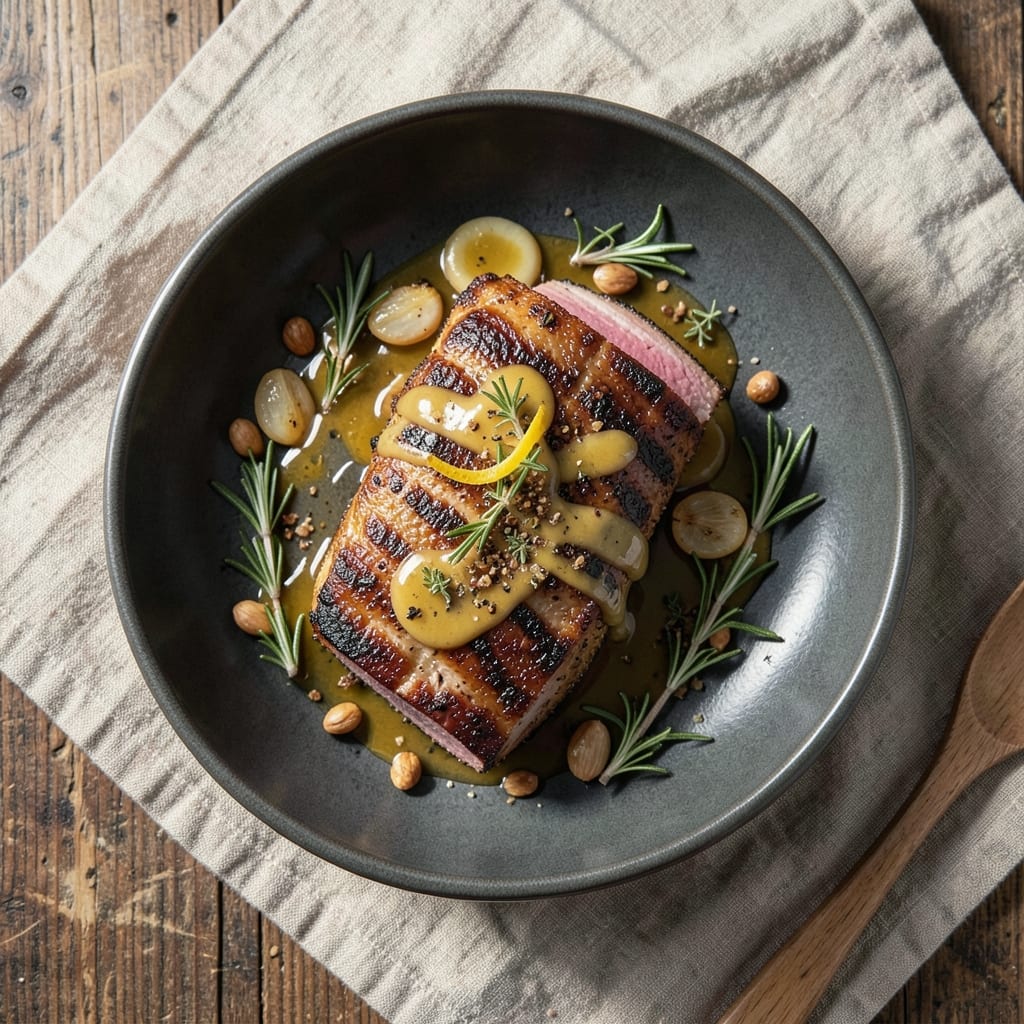
Berkshire pork tenderloin delivers melt-in-your-mouth tenderness with rich marbling that transforms any meal into a showstopper. I've roasted hundreds of pounds of this premium cut, and this herb-crusted method guarantees perfectly pink centers every time—no guessing required. The secret lies in precise temperature control and a crust that locks in juices while adding aromatic depth.
What sets Berkshire pork apart is its exceptional marbling—more fat than conventional cuts—which renders into succulent flavor during cooking. This recipe uses a simple herb crust of rosemary, thyme, and Dijon mustard that browns beautifully while keeping the interior juicy. The key is cooking it to 145°F internal temperature, then letting it rest before slicing.
By the time you serve this, you'll have a roast that's tender enough to cut with a fork, with crisp edges from the herb crust and moist, flavorful centers. The aroma alone will have everyone anticipating dinner. Pair it with apple compote or roasted root vegetables for a restaurant-quality meal that's surprisingly simple to achieve.
This technique works equally well for special occasions or weeknight dinners—just adjust the portion size. The beauty of Berkshire pork is how forgiving it is when cooked properly, making it perfect for both novice and experienced cooks. Let's get started with the ingredients you'll need to create this showstopper.
Ingredients for berkshire pork tenderloin
Premium Berkshire pork tenderloin paired with aromatic herbs and precise seasoning for melt-in-your-mouth perfection.
| Ingredient | Amount | Notes |
|---|---|---|
| Berkshire Pork Tenderloin 🥩 | 1 ½ lb | Center-cut, trimmed of silver skin |
| Fresh Rosemary 🌿 | ¼ cup | Finely chopped, needle leaves only |
| Fresh Thyme 🌿 | ⅛ cup | Leaves only, stems removed |
| Dijon Mustard 🍯 | 2 tbsp | High-quality, smooth variety |
| Extra-Virgin Olive Oil 🫒 | 2 tbsp | For crust and basting |
| Kosher Salt 🧂 | 1 ½ tsp | Diamond Crystal preferred |
| Freshly Ground Black Pepper 🌶️ | ½ tsp | Coarsely ground |
| Garlic Cloves 🧄 | 4 cloves | Minced, for crust |
| Unsalted Butter 🧈 | 2 tbsp | Cold, cubed for basting |
| Apple Cider Vinegar 🍎 | 1 tbsp | For basting liquid |
| Fresh Parsley 🌿 | ⅛ cup | Chopped, for garnish |
The Berkshire pork tenderloin is the star—look for deep marbling and a rich, pink hue at the butcher counter. Whole Foods Market and specialty butchers carry the highest quality, but even mainstream grocery stores stock it during holiday seasons. Trim any visible silver skin before cooking to ensure even browning. The herb crust relies on fresh rosemary and thyme for depth; dried substitutes work in a pinch but lack complexity. For the Dijon mustard, Maille or Amora brands deliver consistent quality without bitterness. If you can't find Berkshire pork, heritage pork tenderloin is a suitable alternative though less marbled.
No fresh rosemary? Dried rosemary at one-third the amount suffices, but toast it lightly first for better flavor. Substituting dried thyme for fresh works similarly. For the Dijon mustard, yellow mustard thinned with olive oil mimics the texture, though flavor will differ. The apple cider vinegar adds brightness—substitute with white wine vinegar if needed. When mincing garlic, peel first to avoid bitterness. The butter should be cold when cubed for basting to prevent overcooking. For a gluten-free crust, omit the mustard and increase olive oil to 3 tablespoons while adding 1 teaspoon ground coriander.
Store the pork in its original packaging in the coldest part of your fridge until ready to cook. The herb crust ingredients keep for 1 week in sealed containers in the refrigerator. For make-ahead prep, assemble the crust up to 24 hours ahead and refrigerate. Once roasted, the tenderloin reheats beautifully—slice and warm in a 350°F oven for 10-15 minutes with a splash of broth. Leftover crust components can be frozen for 3 months in airtight containers, perfect for quick weeknight meals.
Why You'll Love This Recipe
- I’ll be real: the first time I made this, I panicked about leftovers. Then I realized it reheats like a dream—crispy edges stay intact, and the inside remains meltingly tender. Bonus: it’s cheaper than takeout, but way better.
- Foolproof Roast: I swear by this method—just rub the tenderloin with rosemary, thyme, and a smear of Dijon, then pop it in the oven. No flipping, no fussing, and the crust forms perfectly on its own.
- Herb-Crust Magic: That rosemary and thyme combo? It’s like a spa day for your taste buds. The Dijon adds a tangy kick that makes the tender, juicy pork taste like it’s been simmering for hours—even though it’s ready in under 30 minutes.
- Weeknight to Dinner Party: Between us, this is my go-to for both lazy nights and when I’m hosting. Slice it thin for sandwiches, serve it whole for a showstopper, or toss it in salads—it’s that adaptable. (Yes, even on a Tuesday night.)
Step-by-step instructions for herb-crusted Berkshire pork tenderloin
Here's the method to achieve a perfectly pink, herb-infused roast with a crisp exterior every time.
Prepare the Herb Crust Mixture
In a small bowl, combine the 0.25 cup fresh rosemary, 0.125 cup fresh thyme, 4 cloves minced garlic, 1.5 tsp kosher salt, and 0.5 tsp freshly ground black pepper. Mix thoroughly to distribute the seasonings evenly. This herb blend will form the aromatic crust that seals in moisture while creating that signature Berkshire pork flavor profile.
In a separate small bowl, whisk together the 2 tbsp Dijon mustard and 1 tbsp apple cider vinegar. This combination adds depth and helps tenderize the meat. The mustard also acts as a natural binder for the herb crust, ensuring it adheres perfectly during roasting.
Coat and Rest the Pork
Pat the 1.5 lb Berkshire pork tenderloin completely dry with paper towels—this critical step prevents steam from forming and ensures a crisp crust. Rub the surface with 2 tbsp extra-virgin olive oil to create a barrier between the meat and the herb mixture, which helps the crust develop more evenly.
Spread the Dijon-mustard mixture evenly over the entire surface of the pork, then press the herb blend firmly into the meat. This ensures maximum flavor penetration and adhesion. Place the coated tenderloin on a plate, cover with plastic wrap, and refrigerate for 30 minutes. This resting period allows the flavors to meld and the crust to set slightly before cooking.
Sear for Maximum Flavor
Preheat your oven to 425°F. Heat a large oven-safe skillet over medium-high heat and add the 2 tbsp cubed unsalted butter. Once the butter foams, place the pork tenderloin in the skillet and sear for 2-3 minutes per side until it develops a deep golden-brown crust. This initial sear locks in juices and creates the foundation for your herb crust.
Transfer the skillet to the preheated oven and roast for 15-18 minutes for medium-rare (internal temperature 135°F), or 20-22 minutes for medium (145°F). The pork is done when it reaches your desired doneness but still shows a pink center—this is where Berkshire pork truly shines. Use a meat thermometer for precision; the crust will continue to develop during resting.
Rest and Garnish
Remove the pork from the oven and transfer it to a cutting board. Tent loosely with aluminum foil and let it rest for 10-15 minutes. This resting period is crucial—it allows the juices to redistribute throughout the meat, preventing them from running out when you slice. The internal temperature will rise 5-10°F during this time, so don't cut into it prematurely.
After resting, slice the pork into ½-inch thick medallions. Garnish each serving with 0.125 cup chopped fresh parsley just before serving. The parsley adds a final fresh note that complements the rich herb crust. Serve immediately with pan juices spooned over the top for maximum flavor impact.
Pro Tips For Making Berkshire Pork Tenderloin
- SEAR ON HIGH HEAT: Berkshire pork tenderloin is leaner than you think—don’t treat it like a slow-cooked centerpiece. Crank your pan to medium-high (or higher if it’s sturdy) and let those mustard-coated slices develop a deep brown crust in 2-3 minutes per side. I learned this the hard way after serving pale, underwhelming slices that tasted more like boiled pork.
- SALT THE MEAT FIRST: Skip the pre-salted mustard glaze and season the tenderloin generously with kosher salt 30 minutes before cooking. The salt penetrates deeper than you’d expect, especially with Berkshire’s marbled fat, and prevents the crust from turning bitter. (Yes, even if you’re impatient like me.)
- DON’T OVERWORK THE MUSTARD: Dijon mustard is your flavor anchor, but too much turns it into a glaze that steams the meat instead of caramelizing. Use about 1 tablespoon per pound—just enough to coat the pan when heated. Spread it thinly with the back of a spoon; thick globs = sad, sticky pork.
- REST UNDER FOIL: The moment the pork hits 140°F internal temp, pull it from the pan and tent it loosely with foil. Let it sit for 5-10 minutes—this is where the juices redistribute, not pool in a sad puddle on your cutting board. I was skeptical until I tried it; the difference in texture is night and day.
Perfect pairings for these flavors
Classic Side Dishes
Roasted honey-glazed carrots with thyme bring natural sweetness that balances the herb crust beautifully. Toss 2 lbs baby carrots with 2 tbsp olive oil, 1 tbsp honey, and ½ tsp salt, then roast at 400°F for 25 minutes until caramelized. 🌟
For a Southern twist, serve with apple cider-braised red cabbage—simmer 1 head shredded cabbage with 1 cup apple cider, 1 tbsp brown sugar, and 1 cinnamon stick for 20 minutes. The tangy-sweet profile cuts through the richness of the pork.
Wine Pairings
A dry Riesling from Germany—like Dr. Loosen Blue Slate—complements the herb crust's complexity with its crisp acidity and mineral notes. The slight sweetness in some Rieslings also enhances the pork's natural sweetness. 🍷
For red wine lovers, a Pinot Noir from Oregon's Domaine Serene offers earthy undertones that harmonize with the rosemary and thyme. Avoid heavy Cabernets that might overpower the delicate herb flavors.
Beer Pairings
A crisp Belgian witbier like Hoegaarden provides citrusy brightness that cleanses the palate between bites. The coriander and orange peel notes in the beer mirror the herb crust's aromatic profile. 🍺
For craft beer enthusiasts, try a hazy IPA with hops like Mosaic—the juicy, tropical flavors contrast the pork's richness while adding a modern twist. Avoid overly bitter IPAs that could clash with the dish.
Unexpected Pairings
Add pickled red onions for a tangy crunch that brightens each bite. Quick-pickle 1 red onion in ½ cup apple cider vinegar, 1 tbsp sugar, and ½ tsp salt for 30 minutes. The acidity balances the pork's richness perfectly.
For a decadent touch, serve with creamy mashed potatoes infused with roasted garlic and chives. The contrast of smooth texture against the crisp herb crust makes every forkful unforgettable. 💫
Nutrition facts
Frequently asked questions
Why does Berkshire pork tenderloin have such rich flavor?
Berkshire pork's exceptional taste comes from its high marbling—more fat than conventional cuts—which renders into flavorful juices during cooking. The breed's genetics also produce a tender, fine-grained texture that melts in your mouth. This marbling is what makes it worth the premium price compared to regular pork tenderloin.
Can I cook this recipe without fresh herbs?
Yes! Use 1/3 the amount of dried rosemary and thyme (so 1/8 cup each) and toast them lightly in a dry pan for 30 seconds to intensify their flavor. For garlic, use 1/2 teaspoon garlic powder instead of fresh. The crust will still develop well, though fresh herbs provide the best aromatic depth.
What's the best way to check doneness?
Always use a meat thermometer—insert it into the thickest part of the tenderloin. For medium-rare, aim for 135°F (pink center), and 145°F for medium (just slightly pink). The crust will continue browning during the 10-15 minute rest, so don't overcook to compensate.
How far ahead can I prep this recipe?
Assemble the herb crust and refrigerate it on the pork up to 24 hours ahead. For best results, cook within 12 hours of assembly to maintain freshness. If using fresh herbs, store them in sealed containers with a paper towel to absorb moisture. The crust will keep its flavor but may lose slight crispness if prepped too far in advance.
What if my tenderloin is uneven in shape?
No problem! Berkshire pork tenderloins often have natural irregularities. For even cooking, place the thicker end in the skillet first when searing. If one side browns faster, tent it loosely with foil during roasting. The 10-minute rest helps redistribute heat, so don't worry about minor shape differences—they won't affect tenderness.