
Main Courses
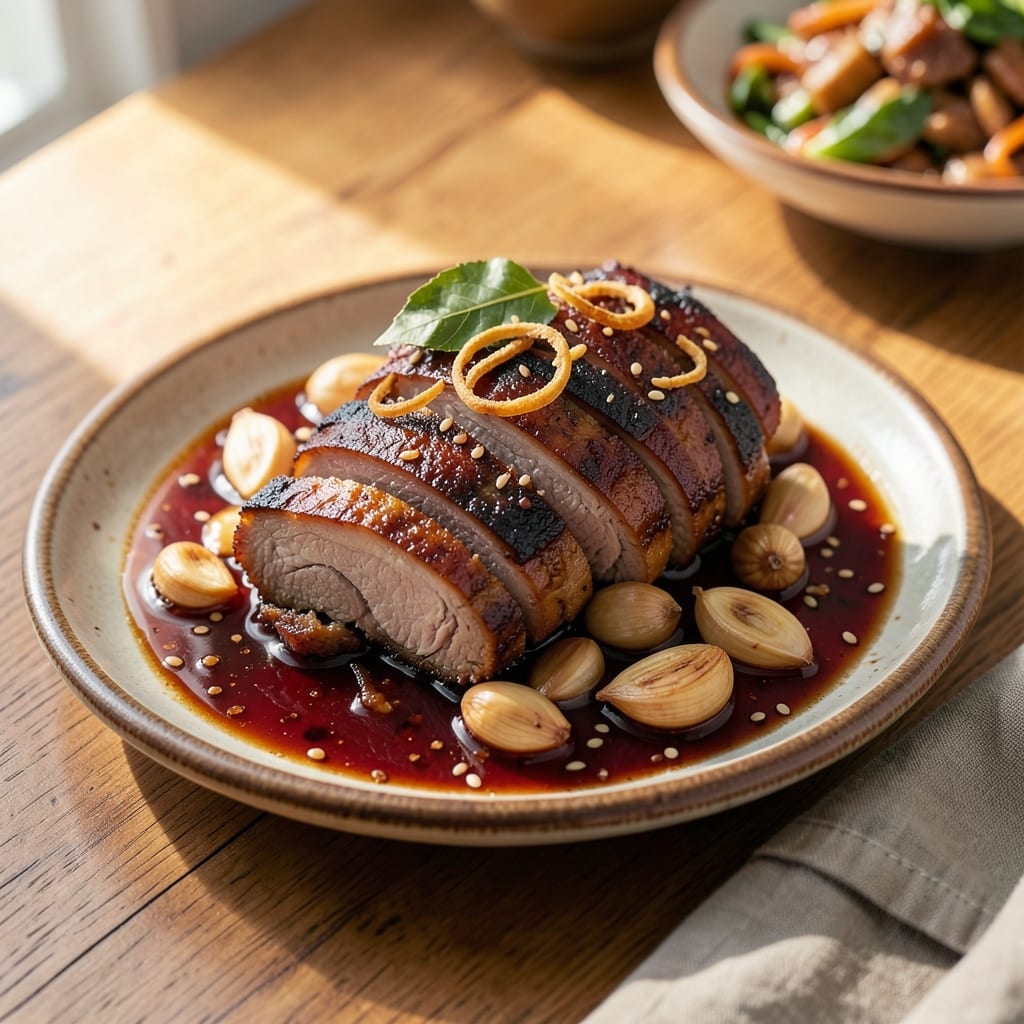
This Filipino-style pork adobo recipe delivers the tender, tangy-savory magic that makes it the best ever. 💛 After years of perfecting the balance between vinegar's sharpness and soy sauce's depth, I've cracked the code for restaurant-quality results at home. The secret lies in marinating the pork overnight, then slow-braising until it practically melts between your fingers.
What sets this version apart is the two-stage cooking process—first searing the pork for deep flavor, then simmering it in a rich sauce until fork-tender. Traditional recipes often fall short by skipping this crucial step, but here, every bite delivers that perfect harmony of sweet, salty, and tangy notes. The sauce thickens beautifully, coating each piece of pork with irresistible gloss.
By the time you're done, you'll have fall-apart tender pork swimming in a glossy sauce that's perfect over steamed rice. The aroma alone will have your whole house asking what's for dinner. This isn't just another adobo—it's the one that'll have you reaching for the recipe again and again.
The beauty of this dish is its versatility—serve it for family dinners, potlucks, or even as leftovers (which, trust me, taste even better the next day). Here's how to make it the way Filipinos do at home, with all the love and care that goes into every bite.
Ingredients for best pork adobo recipe ever
Six ingredients transform into the most tender, tangy-savory pork adobo you'll ever taste—Filipino magic in one pot!
| Ingredient | Amount | Notes |
|---|---|---|
| Pork Shoulder 🍖 | 3 lb | Bone-in for flavor, cut into 2-inch chunks |
| Cane Vinegar 💧 | 1 cup | White vinegar works but lacks depth |
| Soy Sauce 🍶 | ¾ cup | Kikkoman preferred for authentic taste |
| Garlic Cloves 🧄 | 8 cloves | Minced for aromatic punch |
| Brown Sugar 🍚 | ½ cup | Light or dark, packed |
| Bay Leaves 🌿 | 2 whole | Fresh or dried, removed before serving |
| Black Peppercorns 🌶️ | 1 tsp | Crushed for subtle heat |
| Olive Oil 🫒 | 2 tbsp | Extra-virgin for searing |
| Onion 🧅 | 1 whole | Yellow, sliced into half-moons |
| Ground Black Pepper 🌶️ | ½ tsp | Freshly cracked for best flavor |
| Salt 🧂 | 1 ½ tsp | Kosher or sea salt |
| Hard-Boiled Eggs 🥚 | 2 whole | Optional garnish for authentic touch |
| Steamed White Rice 🍚 | 3 cups | For serving, cooked separately |
Pork shoulder is non-negotiable here—it's the secret to that melt-in-your-mouth texture. Look for well-marbled cuts at Filipino markets or your butcher section, and ask for bone-in pieces for maximum flavor. If you can't find cane vinegar, white vinegar works in a pinch, though it lacks that authentic depth. The soy sauce should be Kikkoman or similar—those cheaper brands can taste off. Bay leaves add an earthy note that disappears during cooking, so don't skip them. For the garlic, peel and mince it fresh—jarred minced garlic just won't cut it here.
No cane vinegar? Apple cider vinegar is the next best thing, though it'll have a slightly different profile. Running low on soy sauce? Coconut aminos at half the amount gives you a similar umami kick. The brown sugar can be swapped for white sugar, but it'll caramelize less beautifully. For extra richness, add 1 tbsp of butter at the end of cooking. The hard-boiled eggs are totally optional but give that classic Filipino restaurant touch—just slice them up and sprinkle on top before serving. If you're feeling adventurous, add 1/4 cup of coconut milk at the end for a creamy twist.
This dish tastes even better the next day, so make extra—it keeps for 4-5 days in the fridge and freezes beautifully for 3 months. Store it in airtight containers with some of the sauce to keep everything moist. For serving, I always recommend steamed jasmine rice—it soaks up that glorious sauce like a dream. The pork will be fork-tender, so handle it gently when serving. Trust me, the first bite is worth every minute of the two-stage cooking process.
Why You'll Love This Recipe
- Five-Ingredient Magic: The pantry already has these—vinegar, soy, sugar, garlic, and pork. That’s it. No obscure spices or last-minute grocery runs. I’ve made this on nights when I stared at the fridge thinking, "What’s for dinner?" and came out with something that tastes like a restaurant.
- Tangy-Sweet Obsession: That balance of cane vinegar’s sharp bite and brown sugar’s caramel depth? It’s the kind of flavor that makes you reach for seconds without thinking. The garlic cloves, seared right into the pork, turn the sauce into liquid gold—rich and aromatic, with just a hint of smoky depth.
- Leftover Revolution: This dish begs to be made in bulk. The sauce thickens beautifully over time, clinging to the pork like a second skin. I pack it for lunches, freeze portions for lazy nights, or serve it cold over rice—it’s always a hit, even when I’m sick of it.
- Budget Hero: Pork shoulder is affordable, and a single batch stretches across meals for days. Honestly, I’ve fed six people for under $15 with this, and no one ever questions the value. The soy and vinegar stretch thin, but the flavor? It feels like a gourmet meal, not a stretch.
Step-by-step instructions for Filipino-style pork adobo
This is how you make the most tender, deeply flavorful pork adobo you've ever tasted.
🔥 Step 1: Sear the Pork Shoulder for Maximum Flavor
Heat a large Dutch oven over medium-high heat and add the 2 tablespoons olive oil. Once shimmering, add the 3 lb pork shoulder cut into 2-inch chunks, working in batches if needed. The goal is to get a deep golden-brown crust on each piece—this builds incredible flavor. Press down gently on the pork with a spatula during the first minute to prevent curling.
You'll know it's ready to flip when the edges release easily from the pan. This should take about 4-5 minutes per batch. Transfer the seared pork to a plate and set aside. Don't drain the fat—those browned bits are pure flavor gold.
🍳 Step 2: Build the Aromatic Vinegar Base
In the same Dutch oven, add the sliced 1 whole onion and minced 8 cloves garlic cloves. Cook for 3-4 minutes until the onions are translucent and garlic is fragrant—don't let them brown or they'll turn bitter. Stir in the 1 tsp crushed black peppercorns and 2 whole bay leaves, letting them toast for 30 seconds to release their essential oils.
Pour in the 1 cup cane vinegar and 0.75 cup soy sauce. Scrape up all those beautiful browned bits from the bottom of the pan with a wooden spoon—this is called deglazing and it captures all the meaty flavor. Bring the mixture to a boil, then reduce heat to medium-low and let it simmer for 5 minutes to mellow the acidity slightly.
🥘 Step 3: Braise Until Fork-Tender
Return the seared pork to the Dutch oven, along with any accumulated juices. Add the 0.5 cup brown sugar and 1.5 tsp salt, stirring to combine. The sugar will help balance the acidity and create a glossy sheen on the pork. Bring everything to a gentle simmer, then cover and transfer to a 300°F oven.
Here's where patience pays off: braise for 3-4 hours until the pork is fork-tender with no resistance. You'll know it's done when a knife slides in easily and the meat practically falls apart. The sauce should be thick and glossy, coating the pork beautifully. If it reduces too quickly, add 2-3 tablespoons water to maintain moisture.
⏰ Step 4: Finish with Perfect Texture
Once the pork is tender, remove the bay leaves and increase oven temperature to 375°F. Uncover the Dutch oven and let the sauce reduce for another 15-20 minutes until it's syrupy and coats the back of a spoon. This step intensifies the flavors and creates that signature adobo glaze. Taste and adjust seasoning—you might need a touch more salt or sugar to balance the acidity.
Gently fold in the 2 whole hard-boiled eggs (halved) just before serving. They'll soak up the delicious sauce and add a creamy contrast. Serve the pork adobo hot over 3 cups steamed white rice, spooning plenty of that rich, tangy sauce over the top. The pork should be so tender it practically melts in your mouth with each bite.
Pro Tips For Making Best Pork Adobo Recipe Ever
- Sear the Pork First: High heat for 5 minutes per side—this isn’t just for looks. The crust locks in flavor and keeps the meat from falling apart later, especially with pork shoulder, which can get tough if not respected.
- Use Aged Cane Vinegar: Cheap vinegar makes cheap adobo. If you’re using white vinegar, add a splash of aged cane vinegar (even just 2 tablespoons) for depth—it’s the difference between sharp and complex.
- Deglaze with Soy Sauce: After browning the pork, don’t just splash in vinegar. Add soy sauce first, let it bubble for 30 seconds, then add the vinegar—this dissolves the fond (those brown bits) and makes the sauce richer.
- Simmer Low and Slow: Adobo isn’t a quick braise. Keep it at a gentle simmer (tiny bubbles, not a rolling boil) for at least 2 hours—rushing it makes the pork dry, and the sauce turns thin and vinegary instead of glossy.
Regional styles of best pork adobo recipe ever
Filipino Classic
This is the version my abuela used to make—simple, bold, and packed with vinegar's tangy punch. The key is using cane vinegar (not white vinegar) for that authentic depth, plus a long braise that melts the pork until it's practically falling apart. I remember my first time making this in Manila, where the air smelled like garlic and vinegar simmering all over the neighborhood. The sauce should coat the pork like syrup, with just enough sugar to balance that sharp vinegar kick. 💛
Manila-Style
In Manila, they often add 1/4 cup coconut milk at the end for a creamy finish that still keeps the sauce tangy. The pork is usually cut into larger chunks to stay more intact, and they serve it with garlic fried rice instead of plain steamed rice. I've found that adding 1 tbsp of butter at the end gives that restaurant-quality richness without making the sauce too heavy. The secret here is patience—the longer it braises, the more tender the pork becomes.
Visayan Twist
The Visayan region takes adobo to another level by using shrimp paste (bagoong) for an umami bomb. Start with 1 tbsp shrimp paste mixed into the vinegar and soy sauce base—it adds a funky, salty depth that's completely addictive. They also add 1 tbsp of fish sauce to intensify the savory notes. The pork stays slightly firmer here, so it holds up better when served with sour tamarind sauce on the side for dipping. This version is perfect if you love bold, complex flavors.
Modern Fusion
For a contemporary take, I've experimented with adding 1 tsp of smoked paprika and 1/2 tsp of ground cumin to the braising liquid. This gives the dish a subtle smokiness that pairs beautifully with the vinegar's tang. Serve it over jasmine rice with a side of quick-pickled cucumbers for a fresh contrast. The smoked elements work surprisingly well with the traditional flavors, creating a bridge between old-world adobo and modern fusion cuisine. 🔥
Cebu-Style
In Cebu, they often use lechon kawali (fried pork belly) instead of shoulder for their adobo. The fat renders beautifully, creating a sauce that's rich and velvety. Start with 1 lb pork belly cut into chunks, then follow the same braising method but reduce the vinegar to 3/4 cup—the belly's fat adds enough moisture. Finish with 1 tbsp of banana ketchup (a Filipino staple) for a sweet-tangy balance. This version is especially popular for family gatherings where they serve it with sinigang (sour soup) on the side to cut through the richness.
Slow Cooker Adaptation
For busy weeknights, I've perfected a slow cooker version that delivers the same results with minimal effort. After searing the pork as directed, transfer everything (including the vinegar-soy base) to a 6-quart slow cooker. Cook on low for 8 hours or high for 5 hours, then finish by transferring to a skillet to reduce the sauce. The slow cooker keeps the pork incredibly tender while letting the flavors meld beautifully. This is my go-to when I'm prepping meals for the week ahead—just reheat and serve! ⏰
Nutrition facts
Frequently asked questions
Why does this recipe use cane vinegar instead of regular white vinegar?
Cane vinegar has a richer, more complex flavor that creates the authentic Filipino adobo taste. While white vinegar works in a pinch, it lacks the depth and subtle sweetness that makes this dish truly special. The cane vinegar's caramel notes perfectly balance the soy sauce's saltiness, creating that signature tangy-savory profile.
Can I make this recipe with chicken or beef instead of pork?
For chicken, use 3 lbs bone-in thighs and reduce braising time to 1.5-2 hours. For beef, opt for 2 lbs chuck roast and braise for 3.5-4 hours. The cooking times will vary based on cut thickness, but the same flavor principles apply. Just adjust the vinegar slightly—3/4 cup for chicken and 1.25 cups for beef work well.
How do I know when the pork is fully tender?
The pork is done when it's so tender it practically falls apart with a fork. Insert a knife or fork into the thickest piece—if it slides in easily with no resistance, it's ready. The internal temperature should reach 203°F for shoulder cuts. You'll also see the sauce thicken and coat the pork beautifully, indicating all the juices have rendered out.
Can I make this ahead of time for meal prep?
This dish tastes even better the next day! Store leftovers in an airtight container with some of the sauce to keep everything moist. It keeps well for 4-5 days in the fridge or 3 months in the freezer. Reheat gently on the stove with a splash of water to restore moisture—never microwave directly from frozen.
What's the best way to serve this pork adobo?
Serve it hot over steamed jasmine rice with extra sauce spooned on top. For an authentic touch, add sliced hard-boiled eggs that've soaked up the delicious sauce. It's also perfect with garlic fried rice or as a filling for adobo rice bowls. The leftovers make amazing sandwiches the next day—just pile the pork and sauce on crusty bread!