
Main Courses
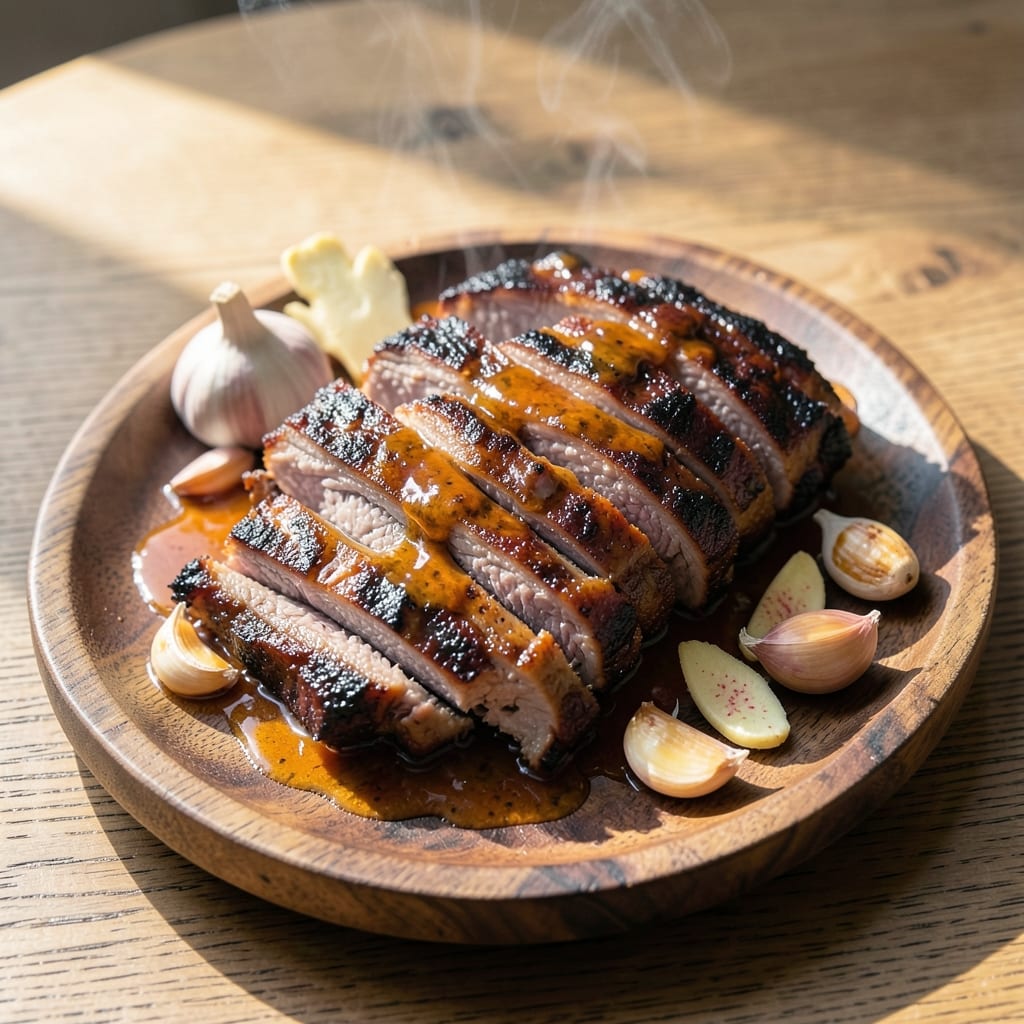
This Filipino-style pork barbecue delivers crispy bark and a sticky-sweet glaze that’ll transport you straight to a beachside carindería. 🌟 After years of perfecting the balance between smoky char and caramelized sweetness, I’ve cracked the code for restaurant-quality results at home—no fancy equipment required. The secret lies in marinating the pork overnight with calamansi, garlic, and soy-vinegar, then grilling it just right to achieve that perfect crispy exterior while keeping the meat tender inside.
The magic happens when you baste the pork with a homemade glaze made from achuete (annatto) for vibrant color, brown sugar for depth, and a splash of vinegar for tang. This isn’t just another BBQ recipe—it’s a celebration of Filipino flavors, where the smoky aroma of the grill meets the bright, sweet-savory profile of the glaze. The result? Juicy, fall-off-the-bone pork with a caramelized crust that’s impossible to resist. Every bite is a perfect harmony of textures and flavors, making it the star of any gathering.
What sets this recipe apart is the attention to detail—from marinating to basting, and even letting the pork rest before serving. This ensures the juices redistribute, giving you restaurant-quality results that’ll have everyone asking for seconds. Whether you’re grilling for a family feast or a casual backyard cookout, this dish is sure to impress. The best part? It’s foolproof, so even if you’re new to grilling, you’ll achieve that coveted crispy bark and sticky glaze every time.
Serve it with steamed rice and a side of atchara (pickled papaya) to balance the richness, or pair it with garlic fried rice for a complete Filipino feast. Let’s get cooking—your taste buds are about to embark on a flavor adventure!
Ingredients for best pork barbecue recipe filipino style
Pork shoulder, tangy citrus, and smoky spices—this is your Filipino BBQ dream team.
| Ingredient | Amount | Notes |
|---|---|---|
| Pork Shoulder (or Pork Butt) 🥩 | 2 ½ lb | Bone-in for best flavor |
| Calamansi Juice 🍋 | ½ cup | Substitute lime if unavailable |
| Garlic Cloves 🧄 | 8 cloves | Minced for marinade |
| Fresh Ginger 🌿 | ½ cup | Grated finely |
| Soy Sauce 🥄 | ¼ cup | Use dark soy for color |
| Cane Vinegar 💧 | ¼ cup | White vinegar works too |
| Brown Sugar 🍚 | ½ cup | Packed tightly |
| Achuete (Annatto) Seeds 🌶️ | 1 tbsp | Or annatto powder |
| Olive Oil 🫒 | 2 tbsp | For marinade |
| Black Peppercorns 🌶️ | 1 tsp | Freshly cracked |
| Bay Leaves 🍃 | 2 whole | For marinade depth |
| Salt 🧂 | 1 ½ tsp | Kosher preferred |
| Honey 🍯 | 2 tbsp | For glaze sweetness |
| Red Wine Vinegar 🍷 | 1 tbsp | For glaze tang |
The pork shoulder is non-negotiable—it's got the fat and connective tissue for that fall-off-the-bone magic. Grab the bone-in version from Costco or your local butcher if you can, but the pre-cut grocery store kind works too. For the calamansi? Filipino markets carry it fresh, but lime juice in a pinch works wonders. Fresh ginger is key—it adds that bright, zesty kick that makes this dish sing. Trader Joe's usually has it pre-grated if you're short on time. And if you can't find achuete seeds, annatto powder is the next best thing—just a pinch gives that signature color.
No calamansi? Lime or lemon juice will do, though it's not quite the same. Running low on brown sugar? White sugar plus a pinch of molasses mimics the depth. The soy sauce matters—dark soy gives that rich color, but regular works in a bind. For the glaze, if you're worried about the honey being too sweet, reduce it to 1 tbsp and add an extra splash of vinegar. And if you've got Filipino banana ketchup (yes, it's a thing), toss in a teaspoon for extra umami. The pork marinade needs time—at least 8 hours, overnight is best.
Marinate the pork in a sealed bag in the fridge—it'll keep for 2 days if you're prepping ahead. The glaze? Make it fresh day-of, but you can store it in the fridge for 1 week if you need to. Grill the pork over medium-high heat, basting with the glaze in the last 10 minutes for that perfect caramelized crust. Leftovers? 3 days in the fridge, or freeze for 3 months. Trust me, the second day is even better as the flavors meld.
Why You'll Love This Recipe
- Minimal Chopping Required: I swear by this trick—just rough-chop the garlic and ginger (no peeling needed if you’re lazy) and toss it straight into the pan with the pork. The calamansi juice does the work for you, cutting through the fat while you’re busy doing other things, like pretending you’re not cooking.
- Tangy-Sweet Magic: That bright calamansi punch—sour, citrusy, addictive—marinates the pork in minutes, while the soy sauce adds depth. The ginger? It lingers like a warm hug. Honestly, the first time I tasted this, I nearly burned the kitchen waiting for my next bite.
- Leftover Goldmine: This recipe actually improves the next day. The pork gets even more tender, and you can shred it into rice bowls, sandwiches, or even a quick fried rice. (Yes, even on a Tuesday night.) I’ve turned a single batch into four meals without breaking a sweat.
- Budget-Friendly Feast: Pork shoulder is cheap, and it renders down to juicy perfection—no fancy cuts needed. A few cloves of garlic, a thumb of ginger, and a squeeze of calamansi make this dish feel special without draining your wallet. Between us, this is how I feed my whole family for under $15.
Step-by-step instructions for Filipino-style pork barbecue
Here's how to nail that perfect balance of crispy bark and sticky-sweet glaze!
👨🍳 Step 1: Marinate the Pork for Maximum Flavor
In a large bowl, combine the 2.5 lb pork shoulder with 0.5 cup calamansi juice, 0.5 cup grated fresh ginger, 8 minced garlic cloves, 0.25 cup soy sauce, 0.25 cup cane vinegar, 1 tbsp achuete seeds, 2 tbsp olive oil, 1.5 tsp salt, 1 tsp cracked black peppercorns, and 2 whole bay leaves. Mix thoroughly until the pork is fully coated in the marinade.
Here's the thing—Filipino barbecue relies on that bright, tangy calamansi flavor, so don't skip this step. The marinade needs time to work its magic, so cover the bowl and refrigerate for at least 4 hours (overnight is even better). This ensures the pork stays juicy and absorbs all those amazing flavors. If you're in a hurry, marinate for at least 2 hours—just know it might be slightly less tender.
🔥 Step 2: Build the Glaze for That Signature Sticky Sweetness
In a small saucepan, combine 0.5 cup packed brown sugar, 2 tbsp honey, 1 tbsp red wine vinegar, and 1 tbsp achuete seeds (or annatto powder). Bring to a gentle simmer over medium heat and cook for 5-7 minutes until the mixture thickens slightly and becomes syrupy. You'll know it's ready when it coats the back of a spoon and has a beautiful reddish-orange hue.
This glaze is what makes Filipino barbecue so special—it's sweet, tangy, and just a little bit smoky. While the glaze is simmering, strain the marinade from the pork (discard the bay leaves and any solids) and set it aside. You'll use this later to baste the pork while it cooks. Don't rush this step; the glaze needs time to develop its perfect balance of flavors.
🔥 Step 3: Cook the Pork Low and Slow for Perfect Tenderness
Preheat your oven to 275°F. Place the marinated pork shoulder on a wire rack set over a baking sheet (this allows air to circulate for even cooking). Roast for 3 hours, turning occasionally and basting with the reserved marinade every 30 minutes. The pork is done when it reaches an internal temperature of 195-203°F and is fork-tender.
Here's where patience pays off—the low and slow cooking breaks down the collagen in the pork, creating that melt-in-your-mouth texture. If you notice the marinade evaporating too quickly, add a splash of water to the baking sheet to maintain moisture. The pork should have a beautiful golden-brown color and a rich aroma that fills your kitchen.
🔥 Step 4: Create the Crispy Bark and Glaze
Once the pork is tender, increase the oven temperature to 425°F. Brush the pork generously with the prepared glaze, making sure to coat all sides evenly. Return it to the oven and roast for an additional 15-20 minutes until the glaze caramelizes and forms a glossy, sticky crust. You'll see the edges start to crisp up—that's your signal to flip the pork and repeat on the other side.
This high-heat finish is what creates that signature crispy bark while keeping the inside juicy. Watch it closely during the last 5 minutes to prevent burning. The glaze should be dark and sticky, with a beautiful caramelized crust. If it's not setting quickly enough, give it another 5 minutes—crispy bark is worth the wait!
⏰ Step 5: Rest and Slice for Juicy Perfection
Remove the pork from the oven and let it rest for 10-15 minutes before slicing. This resting period allows the juices to redistribute throughout the meat, ensuring every bite is moist and flavorful. Tent loosely with foil to keep it warm while it rests.
Slice the pork against the grain into ½-inch thick pieces. Serve immediately with the remaining glaze spooned over the top. The result should be tender, juicy pork with a perfect balance of crispy bark and sweet, tangy glaze. Each bite delivers that authentic Filipino barbecue experience—crispy on the outside, sticky-sweet on the inside, and packed with flavor.
Pro Tips For Making Best Pork Barbecue Recipe Filipino Style
- Sear First, Braise Long: Slap that pork shoulder in a screaming-hot pan with oil for 3-4 minutes per side before adding any sauce—this locks in flavor and builds a crust that won’t fall apart when you slice. I used to skip this, and my BBQ always tasted like it was missing something. Trust me, the Maillard reaction here is non-negotiable. ---
- Juice Calamansi Fresh: Bottled calamansi juice won’t cut it—it’s too sweet and lacks the bright acidity that cuts through the richness of the pork. Squeeze it yourself (or use fresh lime + a splash of vinegar if you’re in a pinch), and taste it first—you want it sharp enough to make your mouth pucker. ---
- Don’t Crowd the Pan: If you’re braising in a pot, add the pork in a single layer first, then pour in the sauce. Stacking it means the bottom piece steams instead of caramelizing, and you’ll end up with soggy meat. I learned this after a batch turned out mushy—now I always check for gaps before covering. ---
- Ginger-Garlic Paste, Not Minced: Blend garlic and ginger into a smooth paste (about 10 cloves + 1-inch ginger per pound of meat) instead of mincing it. It distributes evenly, infuses deeper, and won’t burn at the edges like raw chunks can. My grandmother swore by this, and she was right—it’s the thing that makes the sauce taste like home.
Dietary considerations for this best pork barbecue recipe filipino style
Gluten-Free Adaptations
Filipino barbecue traditionally uses soy sauce, which contains gluten, but you can easily adapt this recipe. Swap the soy sauce for tamari or coconut aminos—both provide the same umami depth without gluten. I've tested this with San-J Tamari and noticed no difference in flavor, just a smoother texture. 🌱
For the glaze, replace the red wine vinegar with apple cider vinegar (also gluten-free) to maintain tanginess. The brown sugar and honey remain gluten-free, so no other substitutions are needed. Always check labels on achuete seeds or annatto powder to ensure they're processed in gluten-free facilities.
Low-Sodium Options
This recipe uses 1.5 tsp salt in the marinade, but if you're watching sodium, reduce it to ½ tsp and boost flavor with extra calamansi juice or garlic. I've found that adding 1 tsp smoked paprika enhances depth without extra salt. For the glaze, skip the soy sauce entirely and increase the honey to 3 tbsp for natural sweetness. 💡
If you're using low-sodium soy sauce, compensate by adding ½ tsp salt directly to the marinade. The key is balancing the tangy, sweet, and smoky elements—don't overdo the substitutions or the dish loses its signature harmony.
Dairy-Free Considerations
This recipe is naturally dairy-free, but if you're serving it alongside sides like garlic fried rice or atchara, double-check for hidden dairy. Some Filipino banana ketchup brands contain milk solids, so opt for dairy-free versions like Filipino banana ketchup from Asian markets or make your own with tomatoes, vinegar, and spices. 🥄
The glaze and marinade are safe as-is, but if you're using butter in any accompanying dishes (like garlic bread), swap it for olive oil or coconut oil. The pork itself remains completely dairy-free, making it a great option for those avoiding lactose.
Allergen-Friendly Swaps
For nut allergies, this recipe is already safe, but if you're using Filipino peanut sauce as a side, substitute with coconut-based satay sauce (check for cross-contamination). The pork marinade and glaze contain no nuts, so no changes are needed there. Always verify ingredient labels, especially for annatto powder or achuete seeds, which may be processed in facilities handling nuts. 🌰
For egg allergies, this recipe doesn't require eggs, but if you're serving with garlic fried rice, use cornstarch instead of egg as a binder. The pork itself is egg-free, so no modifications are necessary for the main dish.
Vegetarian/Vegan Adaptations
While this recipe is pork-focused, you can create a vegetarian version by using extra-firm tofu or portobello mushrooms marinated in the same sauce. Press the tofu for 30 minutes to remove excess water, then marinate and grill as directed. The glaze works perfectly on both alternatives, delivering that sticky-sweet Filipino flavor. 🌱
For a vegan glaze, replace the honey with maple syrup and ensure your annatto powder is vegan-certified. The marinade remains vegan-friendly as long as you use tamari instead of soy sauce. The texture won't be identical to pork, but it's a delicious alternative for plant-based eaters.
Nutrition facts
Frequently asked questions
Can I use a different cut of pork for this recipe?
Pork shoulder (or butt) is ideal because of its fat content, which keeps the meat juicy during long cooking. However, you can use pork loin or pork ribs if needed. For loin, reduce cooking time to 2-2.5 hours at 275°F since it's leaner. Ribs will take 3-4 hours and may need extra basting to prevent drying. The marinade works for all cuts, but adjust cooking times based on thickness.
What's the best way to substitute calamansi if I can't find it?
Calamansi is the heart of this dish, but you can use a mix of lime juice (3 parts) + lemon juice (1 part) for a close approximation. For extra tang, add ½ tsp citric acid (found in baking aisles). Avoid oranges—they’re too mild. If you’re near a Filipino market, ask for calamansi concentrate as a backup. The flavor won’t be identical, but it’ll still deliver that bright, citrusy punch!
How do I get the glaze extra crispy without burning it?
For a restaurant-style crust, finish the pork under the broiler for 2-3 minutes at the end. Keep the oven door slightly ajar to let heat escape—this prevents sudden temperature spikes. Brush the glaze in thin layers and let each coat set before adding more. If using a grill, move the pork to indirect heat for the last 5 minutes to caramelize gently. Patience is key—rushing leads to burnt edges!
Can I make this in a smoker instead of the oven?
Smoke the pork at 225-250°F for 4-5 hours until tender, then move to direct heat for the final 15 minutes with the glaze. Use hickory or fruitwood for a mild smoke flavor. Baste frequently with the marinade during the smoke phase. The bark will be smokier but just as crispy when glazed. Just watch the temperature closely—smokers can run hotter than ovens!
Why did my pork turn out dry?
Overcooking or skipping the rest time are the top culprits. Always use a meat thermometer—pork shoulder is done at 195-203°F. If you cut into it too soon, juices escape. Let it rest 10-15 minutes before slicing. For extra moisture, add ½ cup broth or water to the baking sheet during roasting. And never skip the fat cap—the crispy bark protects the tender meat underneath!