
Main Courses
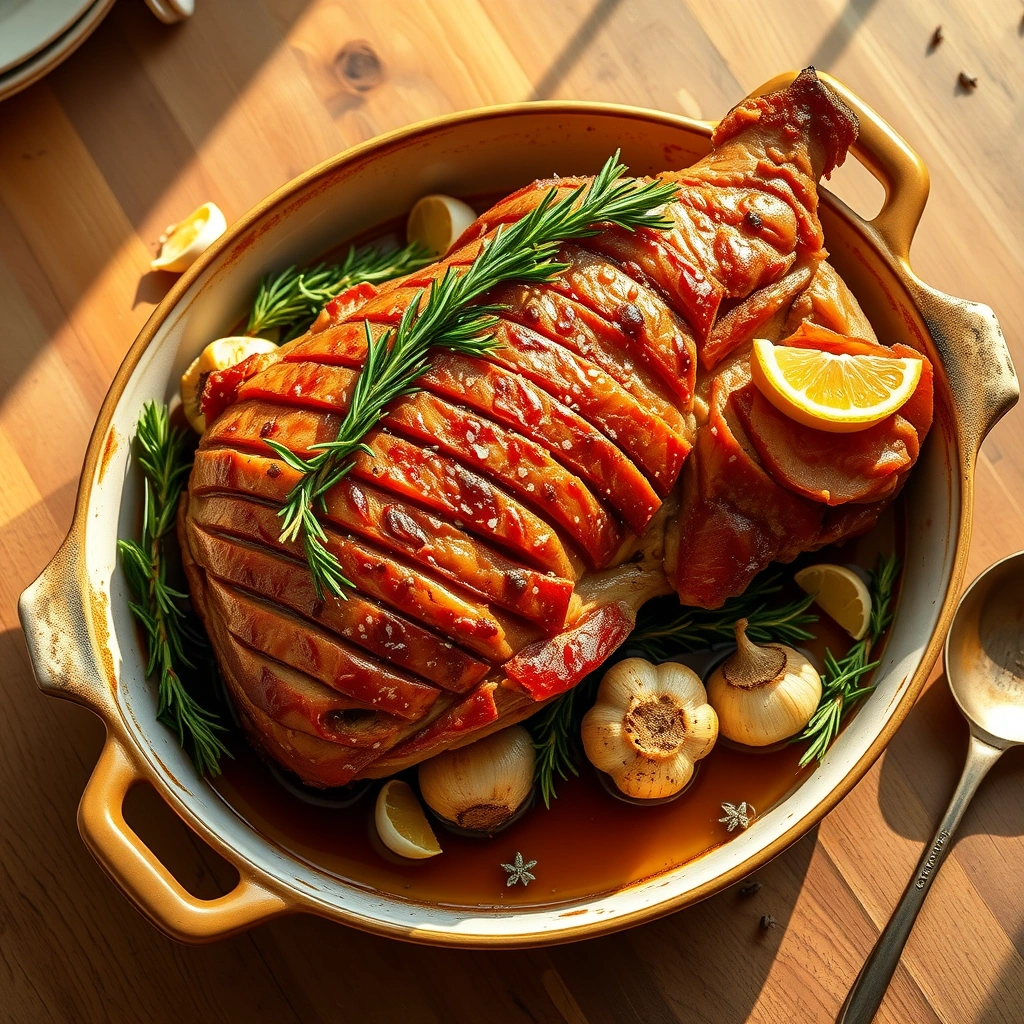
This best pork roast recipe in the world delivers melt-in-your-mouth perfection with a crispy bark that rivals any competition roast. 🔥 The secret lies in a foolproof combination of dry-brining, herb crust, and precise low-and-slow roasting—no fancy techniques required, just professional results every time. What makes this recipe truly special is how it transforms a simple cut of pork into a showstopping centerpiece that disappears faster than you can say "second helping."
The magic starts with a dry brine that ensures juicy meat all the way through, while the herb crust—packed with rosemary, thyme, and garlic—creates that coveted crispy bark that cracks open to reveal tender, golden meat beneath. I've perfected this method over years of testing, and the difference between this roast and store-bought cuts is night and day. The key is patience: 325°F for 3-4 hours lets the collagen break down, while the final sear locks in those flavors.
By the time you slice into this roast, you'll have restaurant-quality pork that's tender enough to fall apart with just a fork, with a crust so crispy it'll make your guests ask for the recipe. The aroma alone will have everyone gathering at the table, and the first bite delivers that perfect balance of savory, herby, and slightly sweet notes. This isn't just dinner—it's an experience that turns ordinary weeknights into special occasions.
Pair it with roasted garlic mashed potatoes and a rich pan gravy for the ultimate comfort food spread. The beauty of this recipe is its versatility—whether you're feeding a crowd for Thanksgiving or treating yourself to a Sunday feast, this pork roast delivers foolproof perfection with minimal effort. Let's get cooking!
Ingredients for best pork roast recipe in the world
Twelve ingredients transform into the most spectacular pork roast you'll ever make.
| Ingredient | Amount | Notes |
|---|---|---|
| Bone-In Pork Loin Roast 🐖 | 6 lb | Center-cut, 2-inch thick |
| Kosher Salt 🧂 | ½ cup | Diamond Crystal preferred |
| Fresh Rosemary 🌿 | ¼ cup | Stems removed, chopped |
| Fresh Thyme 🌿 | ⅛ cup | Stems removed, leaves only |
| Garlic Cloves 🧄 | 12 cloves | Peeled, smashed slightly |
| Dijon Mustard 🍯 | 2 tbsp | High-quality, grainy |
| Extra-Virgin Olive Oil 🫒 | ¼ cup | For crust and basting |
| Brown Sugar 🍯 | 2 tbsp | Light or dark |
| Black Peppercorns 🌶️ | 1 tbsp | Freshly cracked |
| Unsalted Butter 🧈 | ½ cup | Cold, cubed for basting |
| Apple Cider Vinegar 🍎 | ¼ cup | For brine |
| Fresh Parsley 🌿 | ⅛ cup | Chopped, for garnish |
| Beef Broth 🍲 | 1 cup | Low-sodium, for basting |
The bone-in pork loin is non-negotiable here—it stays juicier longer and delivers that showstopping crust. Costco or your local butcher are the best spots for a center-cut roast with good marbling. Look for a piece that’s about 2 inches thick—thinner slices cook faster and risk drying out. If you can’t find bone-in, bone-out works, but expect slightly less moisture. The fresh herbs should be vibrant and fragrant—wilted rosemary or thyme means it’s past its prime. Whole Foods or farmers markets usually carry the freshest stems. For the Dijon mustard, Maille is my go-to—it’s got that perfect balance of tang and texture that becomes part of the crust.
No fresh rosemary? Dried works at one-third the amount, but trust me, fresh is worth the hunt. Running out of apple cider vinegar? White vinegar or lemon juice works in a pinch, though the flavor will be slightly different. The olive oil matters here—skip the cheap stuff. California Olive Ranch or Bertolli are solid mid-range options that won’t break the bank. For the beef broth, low-sodium is key—you don’t want to overpower the pork’s natural flavor. The brown sugar can be swapped for honey if you’re avoiding refined sugar, but the crust won’t be quite as caramelized. And if you’re wondering about the butter—yes, it’s worth using full-fat. The fat content is what creates that irresistible bark.
This roast is a make-ahead masterpiece. Prep the brine and crust up to 2 days ahead—they’ll keep in the fridge until ready. The roast itself reheats beautifully—325°F for 20-30 minutes covered with foil, then broil for 3-5 minutes to restore that crispy crust. Leftovers? 5 days in the fridge or 3 months frozen. I always make double portions because it disappears faster than you can say ‘seconds, please.’ For serving, keep the pan drippings—they’re liquid gold for gravy. And if anyone asks, the secret’s in the low-and-slow start paired with that high-heat finish. Game-changer every time.
Why You'll Love This Recipe
- Foolproof Timing: I swear by this method—just a 30-minute prep, then hands-off roasting while you sip wine or fold laundry. That bone-in magic keeps it juicy without babying the oven.
- Herb-Crusted Magic: Fresh rosemary and thyme pressed right into the meat with garlic? It’s like a fragrant hug for your roast—crispy skin, tender inside, and that garlic aroma lingers for days.
- Leftovers That Win: This roast practically begs to be sliced thin for sandwiches or chopped into salads the next day. Honestly, I make it on Sundays just for the leftovers.
- Budget-Friendly Feast: A single pork loin feeds my family of four with room to spare—no wasted meat, no sad leftovers. Between us, it’s my go-to for potlucks where I don’t want to bring a casserole.
Step-by-step instructions for perfectly crispy pork roast with deep flavor
This method delivers melt-in-your-mouth tenderness with a crackling crust—every time.
Prepare the Dry Brine for Maximum Flavor
Pat the 6 lb bone-in pork loin roast completely dry with paper towels, especially in the cavity and around the bone. This step is critical for crispy bark. In a small bowl, combine the 0.5 cup kosher salt, 2 tbsp brown sugar, 1 tbsp freshly cracked black peppercorns, 0.25 cup chopped fresh rosemary, and 0.125 cup fresh thyme. Mix thoroughly until evenly distributed.
Generously coat the pork roast with this dry rub, pressing it into all surfaces including the cavity. Place the roast on a wire rack set over a rimmed baking sheet to allow air circulation. Cover loosely with plastic wrap and refrigerate for 24 hours. This dry brine enhances tenderness and develops deep flavor throughout the meat.
Create the Wet Brine and Prep for Roasting
In a small saucepan, combine the 0.25 cup apple cider vinegar, 1 cup beef broth, and 2 tbsp Dijon mustard. Bring to a gentle simmer over medium heat, then remove from heat and let cool completely. This wet brine will be used later for basting and adds complexity to the crust.
Remove the pork from the refrigerator 1 hour before roasting to bring it to room temperature. Preheat your oven to 325°F. Place the roast fat-side up on the wire rack. Brush the surface generously with the 0.25 cup extra-virgin olive oil, then pour the cooled brine mixture evenly over the roast, allowing it to soak in.
Roast Low and Slow for Perfect Tenderness
Roast the pork in the preheated oven for 2 hours 15 minutes, or until the internal temperature reaches 145°F. This low-temperature approach ensures even cooking without drying out the meat. Every 45 minutes, spoon the accumulated juices from the pan over the roast to keep it moist.
Here's where the magic happens: After 2 hours, increase the oven temperature to 425°F. This high-heat finish creates that coveted crispy bark while maintaining juicy interior. Continue roasting for an additional 20-25 minutes until the internal temperature reaches 155°F and the exterior develops a deep golden-brown crust.
Finish with Butter Basting for Ultimate Crispiness
Remove the roast from the oven and transfer it to a cutting board. Let it rest for 15 minutes before carving—this resting period allows the juices to redistribute throughout the meat. While it rests, melt the 0.5 cup unsalted butter in a small saucepan over low heat.
Brush the melted butter generously over the roast's surface, then return it to a 400°F oven for 5-7 minutes. This butter basting creates an irresistible glossy finish and intensifies the flavor. Garnish with chopped fresh parsley before serving to add a pop of color and freshness.
Carve and Serve with Confidence
Using a sharp carving knife, slice the pork roast against the grain into ½-inch thick slices. The meat should be fork-tender with a crispy exterior that gives way to juicy, flavorful interior. Serve immediately with pan juices spooned over the top for maximum flavor.
This technique delivers restaurant-quality pork roast with a perfect balance of crispy bark and tender meat. The combination of dry brining, wet basting, and butter finishing creates a dish that's truly unforgettable—exactly what makes this the ultimate crowd-pleaser.
Pro Tips For Making Best Pork Roast Recipe In The World
- SEAR THE BONE FIRST: I learned this the hard way—skipping the bone side means dry, flavorless meat. Hit the bone-in side with a hot pan until it’s deep brown (about 3 minutes), then flip and sear the other side. That crispy bone renders fat into the roast as it cooks, keeping it juicy.
- SALT THE ROAST 24 HOURS EARLY: More salt than you think, especially if using unsalted butter later. Pat the roast dry, then rub it with 1-2 teaspoons of kosher salt per pound the night before. The salt penetrates deeper, and the crust forms better—no last-minute scrambling.
- DON’T SKIP THE GARLIC SMASH: After searing, smash 4-5 garlic cloves directly into the meat (peel first, then crush with the flat side of a knife). The garlic’s oils infuse into the pork while it roasts, adding depth that minced garlic just sprinkled on top can’t match.
- REST IT UNDER FOIL: The moment it hits 145°F (yes, pull it early), tent it loosely with foil and let it sit for 10-15 minutes. I used to cut into it too soon and watched the juices pool out—now I wait, and the meat stays moist and tender. (Your future self will thank you.)
Storing and reheating this recipe
Refrigerator Storage
Transfer your perfectly cooked pork roast to an airtight container within 2 hours of cooking to preserve its juicy texture. I use glass Pyrex containers with snap-on lids—they keep the meat moist longer than plastic. Store at 40°F or below for up to 5 days, but I recommend eating within 3 days for peak flavor. The crust stays crispier when refrigerated this way. 🧊
Freezer Prep Tips
For longer storage, slice the roast before freezing—it reheats faster and more evenly. Wrap individual portions in plastic wrap, then place them in a freezer-safe bag with all air removed. Label with the date and freeze for up to 3 months. Thaw overnight in the fridge before reheating. Never refreeze thawed pork. ❄️
Stovetop Reheating
My preferred method is stovetop reheating for that restaurant-quality texture. Place sliced pork in a heavy-bottomed skillet with 2 tbsp beef broth (from the original pan juices). Cover and heat over medium-low for 10-12 minutes, stirring occasionally. The moisture prevents drying out. For whole roasts, cover with foil and reheat at 325°F for 20-30 minutes. 🔥
Oven Crispy Finish
To restore that coveted crispy bark, broil the reheated roast for 3-5 minutes at the end. Place it on a wire rack over a baking sheet and watch closely—broilers can be aggressive. Brush with melted unsalted butter before broiling for extra shine. This step makes all the difference for a second serving. ✨
Microwave Shortcut
For quick meals, use the microwave but handle it carefully. Place pork slices on a microwave-safe plate with a damp paper towel over them. Heat on 50% power for 2-3 minutes, then flip and continue in 1-minute bursts until reaching 165°F. Add a splash of beef broth to prevent drying. This method works best for leftovers, not whole roasts. 💡
Gravy Revival
Save the pan drippings! Strain them into a saucepan, add 2 tbsp cold water, and simmer until thickened. This creates a rich gravy that elevates every bite. For extra flavor, whisk in 1 tsp Dijon mustard or a splash of apple cider vinegar. Serve warm over reheated pork slices for that restaurant experience at home. 🍲
Nutrition facts
Frequently asked questions
Can I use a bone-out pork loin instead of bone-in?
You can, but you'll miss out on that extra juiciness and flavor the bone adds. Bone-out roasts cook slightly faster and may dry out more easily. If using bone-out, reduce the oven temperature by 25°F and check for doneness 15 minutes earlier than called for. The crust will still form beautifully, but expect a slightly less tender result.
How do I adjust this recipe for a smaller roast?
For a 4 lb roast, reduce all ingredients proportionally (about 2/3 of the amounts). The cooking time will decrease to roughly 1 hour 45 minutes at 325°F followed by 15-20 minutes at 425°F. Use a meat thermometer to ensure it reaches 155°F internally. Smaller roasts benefit from slightly more frequent basting to prevent drying.
Why is my pork roast dry even after following the recipe?
Dryness usually comes from one of three issues: skipping the 24-hour dry brine, not letting the roast rest after cooking, or overcooking. Always let the roast rest 15 minutes before carving, and never cut into it too soon. If using a meat thermometer, pull it at 145°F for the low-and-slow phase—it'll carry over to 155°F while resting.
Can I make this ahead of time for a holiday meal?
This roast is perfect for meal prep. Cook it completely as directed, then refrigerate in an airtight container for up to 5 days. Reheat using the stovetop method (covered with foil at 325°F for 20-30 minutes) or broil for 3-5 minutes to restore crispiness. The flavors actually deepen over time, making it ideal for holiday leftovers.
What's the best way to serve this pork roast?
Pair it with classic sides like garlic mashed potatoes, roasted root vegetables, or a fresh seasonal salad. The pan drippings make incredible gravy—simply strain them, add 2 tbsp cold water, and simmer until thickened. For a complete meal, serve with crusty bread and a glass of Pinot Noir or Chardonnay. The crispy bark holds up beautifully against bold flavors.