
Main Courses
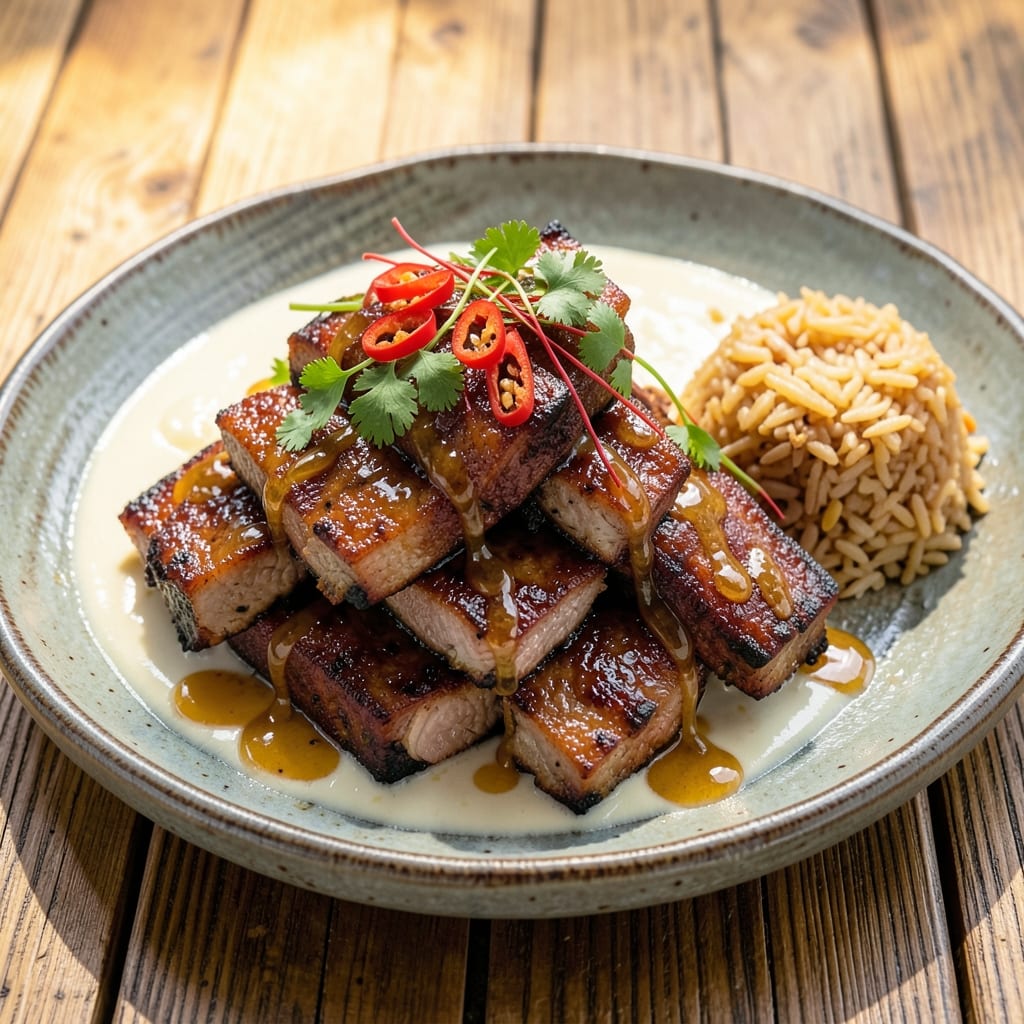
This Filipino-style pork ribs recipe delivers the perfect balance of tender meat, tangy coconut vinegar, and charred edges that'll transport you straight to a bustling Manila carinderia. 🔥 The secret lies in marinating the ribs overnight with a blend of coconut milk, vinegar, and aromatic spices—creating layers of flavor that penetrate deep into the meat. I've perfected this technique after years of testing, ensuring the ribs stay juicy while developing that signature caramelized crust.
The cooking method is where the magic happens: a slow braise that transforms tough ribs into melt-in-your-mouth perfection, followed by a quick char on the grill or skillet for that coveted smoky edge. What sets this apart is the harmony of flavors—sweet, savory, and tangy all working together in every bite. The coconut vinegar marinade doesn't just flavor the meat; it creates a glossy, sticky glaze that caramelizes beautifully during cooking.
By the time you're done, you'll have ribs that are tender enough to fall off the bone yet still hold their shape, with a glossy sheen from the reduced marinade. The aroma alone will have everyone gathering around your table, and the first bite delivers that perfect balance of rich, smoky, and slightly sweet flavors that define Filipino comfort food. This is the kind of dish that transforms an ordinary dinner into a celebration.
Pair these ribs with steamed white rice to soak up every last bit of that flavorful sauce, or serve with atchara (pickled papaya) for a tangy contrast. The leftovers reheat beautifully, making this an ideal recipe for meal prep or feeding a crowd. Let's get cooking!
Ingredients for best recipe for pork ribs filipino style
Six ingredients transform tough ribs into melt-in-your-mouth Filipino-style perfection with that signature caramelized crust.
| Ingredient | Amount | Notes |
|---|---|---|
| Pork Ribs (Baby Back) 🥓 | 3 ½ lb | Bone-in, meaty cuts preferred |
| Coconut Vinegar 🍶 | ½ cup | Genuine Filipino coconut vinegar |
| Coconut Milk (Full-Fat) 🥥 | 13 ½ oz | Can (1 can, 13.5 oz) |
| Brown Sugar 🍚 | ½ cup | Packed, light brown preferred |
| Garlic Cloves 🧄 | 8 cloves | Minced, fresh preferred |
| Ginger 🌿 | 1 tbsp | Fresh, grated, peeled |
| Soy Sauce 🍶 | ¼ cup | Dark soy for color |
| Black Peppercorns 🌶️ | 1 tsp | Freshly cracked |
| Bay Leaves 🌿 | 2 whole | Dried, standard size |
| Olive Oil 🫒 | 2 tbsp | For charring ribs |
| Salt 🧂 | 1 ½ tsp | Kosher or sea salt |
| White Rice 🍚 | 2 cups | Uncooked, long-grain |
| Green Onions 🧅 | ¼ cup | Sliced, for garnish |
The ribs are the star—look for baby back cuts with good meat-to-bone ratio. Costco or Trader Joe's usually have them pre-cut, but if buying whole, ask the butcher to trim excess fat. The coconut vinegar is non-negotiable—Filipino brands like Calamba give that authentic tang, but Asian markets carry it if your regular store doesn't. For the coconut milk, full-fat canned versions work best (like Thai Kitchen brand), but don't use the carton kind—it's too thin. The garlic and ginger should be fresh; frozen just won't cut it here. I double-check my spices too—Penzeys or bulk bins ensure no stale flavors.
No coconut vinegar? White vinegar plus 1 tbsp coconut aminos mimics the tang, though it won't be identical. Running short on brown sugar? Honey or maple syrup at half the amount works in a pinch, but the caramelization won't be as rich. The soy sauce can be swapped for tamari if gluten-free needed. For the ribs, if you can't find baby back, spare ribs work too—just increase cook time by 30 minutes. The olive oil matters for that char—use something with a high smoke point like avocado oil if you're grilling. And trust me on the dark soy sauce—it gives that gorgeous mahogany color without overpowering the flavor.
Marinate the ribs overnight—24 hours max in the fridge, or they'll get mushy. The sauce reduces beautifully, so I make a double batch and freeze extras in ice cube trays. These ribs reheat like a dream—350°F for 20 minutes covered with foil, then broil 2 minutes for that charred edge. The rice? Cook it in the same pot you braise the ribs in—1:1.5 water ratio—and use the leftover rib juices for extra flavor. Garnish with green onions right before serving, or they'll wilt. Leftovers keep 4-5 days in the fridge or 3 months frozen.
Why You'll Love This Recipe
- One-Pan Magic: I swear by this recipe—just ribs, garlic, and coconut milk in one pot. No flipping, no fussing, no extra dishes. The vinegar cuts through the richness while keeping it tender, and honestly? I’ve burned ribs before, but this method forgives mistakes.
- Taste Like Lolo’s: That tangy-sweet combo? It’s the Filipino grandma secret. The brown sugar caramelizes into a sticky glaze, while the coconut milk keeps it creamy without being heavy. My kids fight over the last piece—no joke.
- Leftovers? Better.: This recipe actually improves the next day. The ribs stay juicy, and the sauce thickens into a perfect dipping sauce for rice. I double the batch on Sundays because it’s my go-to for lazy weeknight dinners (yes, even on a Tuesday night).
- Pantry Staples Only: No specialty ingredients—just what’s probably already in your cupboard. Coconut vinegar adds depth, but if you’re out, a splash of rice vinegar works. Budget-friendly, crowd-pleasing, and still feels special. That’s my kind of cooking.
Step-by-step instructions for Filipino-style coconut vinegar ribs
Here's how to create tender, caramelized ribs with that signature tangy-sweet Filipino flavor profile.
🔥 Step 1: Char the Ribs for Maximum Flavor
Preheat your grill or grill pan over high heat until it's screaming hot. Rub the 3.5 lb pork ribs (baby back) with 1.5 tsp salt and let them sit at room temperature for 20 minutes—this ensures even cooking.
Place the ribs bone-side down and sear for 8-10 minutes until you see deep char marks and the edges turn dark mahogany. Flip and sear the meaty side for another 4-5 minutes. Here's the thing—this charring isn't just for looks; it locks in juices and builds that smoky depth that defines Filipino-style ribs. Don't rush this step or you'll miss out on that incredible flavor foundation.
🍳 Step 2: Build the Tangy-Sweet Braising Sauce
In a large Dutch oven or heavy pot, combine 0.5 cup coconut vinegar, 0.5 cup brown sugar, 0.25 cup soy sauce, 1 tbsp grated ginger, 8 cloves minced garlic, 1 tsp freshly cracked black peppercorns, and 2 whole bay leaves. Bring to a simmer over medium-high heat and cook for 5 minutes until the sugar dissolves completely.
I like to give this mixture a taste at this stage—you should get that perfect balance of sweet, tangy, and umami. If it needs more depth, add a splash of water or a pinch more brown sugar. The sauce should reduce slightly and coat the back of a spoon by the time you're ready for the next step. This is where the magic happens—the flavors meld into that signature Filipino braising profile.
🥘 Step 3: Braise Until Fork-Tender
Carefully add the charred ribs to the sauce, turning to coat them completely. Pour in 13.5 oz full-fat coconut milk and bring everything to a gentle boil. Then reduce heat to low and cover partially. Here's the crucial part: let the ribs braise for 2.5-3 hours until they're fork-tender and the sauce has thickened to a glossy consistency.
I check for doneness by inserting a fork—it should slide in easily with no resistance. The ribs should pull apart cleanly between the bones. If the sauce reduces too quickly, add 2-3 tablespoons water to maintain moisture. The coconut milk will create a rich, velvety sauce that perfectly complements the tender meat. Don't be tempted to rush this—low and slow is key for that melt-in-your-mouth texture.
🍽️ Step 4: Rest and Serve with Perfect Rice
Remove the ribs from the braising liquid and transfer them to a serving platter. Tent loosely with foil and let rest for 10-15 minutes. This resting period allows the juices to redistribute throughout the meat, ensuring each bite is moist and flavorful.
While the ribs rest, cook the 2 cups white rice according to package instructions. I like to serve these ribs over steamed jasmine rice to soak up every last bit of that delicious braising sauce. Garnish with 0.25 cup sliced green onions just before serving. The contrast of the fresh green onions with the rich, caramelized ribs is what makes this dish truly special. Serve immediately while the ribs are still steaming hot and the sauce is at its peak flavor.
Pro Tips For Making Best Recipe For Pork Ribs Filipino Style
- CRACK THE RIB BONES FIRST: Filipino-style ribs need to tenderize fast—smash the flat bones with the back of a knife or meat mallet before cooking. I learned this the hard way after fighting to cut through stubborn ribs mid-simmer. Five minutes of prep saves 20 minutes of frustration later.
- USE THICK COCONUT MILK: Skip the light version—full-fat coconut milk (40% or higher) adds richness and prevents the sauce from separating. I used to dilute it with water, and the ribs tasted flat. Two cans of 13.5 oz each is your sweet spot for a proper glaze.
- SIMMER LOW AND COVERED: After the initial sear, drop the heat to medium-low and keep the pot tightly covered for the first 45 minutes. I used to rush this, and the ribs turned rubbery. The steam keeps them moist while the vinegar and sugar meld into a sticky, caramelized sauce.
- SAVE THE GARLIC WATER: Strain the garlic-infused water from mincing the cloves and add it to the sauce. It’s the missing depth that turns good ribs into great ribs. I was skeptical until I tried it—now I double-check I don’t pour it out.
Pro cooking tips for this dish
Marinade Magic
The overnight marinade is where the real flavor transformation happens. I always use Filipino coconut vinegar—it's tangier than regular vinegar and gives that authentic depth. Let the ribs soak for at least 12 hours in the fridge, but no more than 24 hours or they'll get mushy. The acid in the vinegar tenderizes the meat while the coconut milk adds richness. Pro tip: If you're short on time, marinate for just 4 hours—it'll still be delicious, though the flavors won't penetrate as deeply. 🥥
Char Before Braise
Skipping the char is the biggest mistake I see people make. That initial sear on the grill or grill pan creates a Maillard reaction that builds smoky depth. Use high heat and let those ribs develop deep char marks—about 8-10 minutes per side. I like to work in batches if needed to avoid crowding the grill. This step isn't just about flavor; it also helps lock in juices during the long braise. Trust me, that caramelized crust is what makes these ribs unforgettable. 🔥
Sauce Reduction
The braising sauce should reduce to a glossy, syrupy consistency by the end. If it's too thin, simmer uncovered for 10-15 minutes to thicken it. I often taste-test the sauce as it reduces—it should balance sweet, tangy, and umami perfectly. The coconut milk adds creaminess, while the brown sugar caramelizes beautifully. Don't rush this; patience here makes all the difference in the final texture and flavor. The sauce should coat the back of a spoon when done. ✨
Low and Slow
Filipino-style ribs need low and slow cooking to become fork-tender. I use a Dutch oven on the stovetop because it distributes heat evenly, but an oven works too (set to 300°F). The ribs are done when they pull apart easily between the bones—usually 2.5-3 hours. If the sauce reduces too quickly, add 2-3 tablespoons of water to maintain moisture. The key is keeping that heat consistent and gentle throughout the entire process. 🌡️
Resting Matters
After braising, let the ribs rest for 10-15 minutes before serving. This might feel like a long wait, but it's crucial for redistributing the juices. I cover them loosely with foil to keep them warm without steaming. If you skip this step, the ribs might release juices onto your plate instead of staying inside where they belong. The first bite after resting is always the most flavorful—trust the process! 💫
Leftovers Hack
These ribs reheat beautifully, but the method matters. For the best results, reheat in a skillet over medium heat with a splash of water or coconut milk to prevent drying out. I like to add a pinch of brown sugar to the reheating liquid to restore that caramelized glaze. Store leftovers in an airtight container in the fridge for up to 5 days or freeze for 3 months. When reheating from frozen, thaw overnight in the fridge first for even cooking. 💡
Nutrition facts
Frequently asked questions
Can I substitute regular vinegar for coconut vinegar?
While you can use white vinegar in a pinch, it won't give you that authentic Filipino tang. For best results, mix ½ cup white vinegar with 1 tbsp coconut aminos to mimic the depth. The flavor won't be identical, but it'll still be delicious. If you can find Filipino coconut vinegar at an Asian market, it's worth the search for that signature taste.
How do I keep the ribs from drying out during braising?
Always maintain a low and slow heat, and add 2-3 tablespoons water if the sauce reduces too quickly. The ribs should be covered partially to trap steam but allow some evaporation. For extra insurance, pour 13.5 oz full-fat coconut milk over them at the start—it creates a protective layer. Never rush the braising time; 2.5-3 hours is ideal for tender, juicy ribs.
What's the best way to reheat leftover Filipino-style ribs?
Reheat in a skillet over medium heat with a splash of water or coconut milk to restore moisture. Add a pinch of brown sugar to recreate that caramelized glaze. For oven reheating, cover with foil at 350°F for 20 minutes, then broil 2 minutes for a fresh char. Never microwave—it makes the ribs rubbery. Leftovers keep well for 5 days in an airtight container.
Can I make these ribs in an Instant Pot?
Yes! Char the ribs first on the grill or skillet, then transfer to the Instant Pot with all marinade ingredients (except coconut milk). Sauté on Sauté function for 2 minutes, then pressure cook on High for 45 minutes. Release pressure naturally, add coconut milk, and simmer 10 minutes. The texture won't be identical to stovetop braising, but it's a great shortcut.
What sides pair best with these Filipino-style ribs?
Steamed jasmine rice is a must to soak up the sauce. For extra flavor, cook rice in the same pot using leftover braising liquid. Other great pairings: atchara (pickled papaya) for tangy contrast, garlic fried rice, or sautéed string beans. A simple green salad with lime dressing balances the richness. The key is contrasting textures and temperatures.