
Main Courses
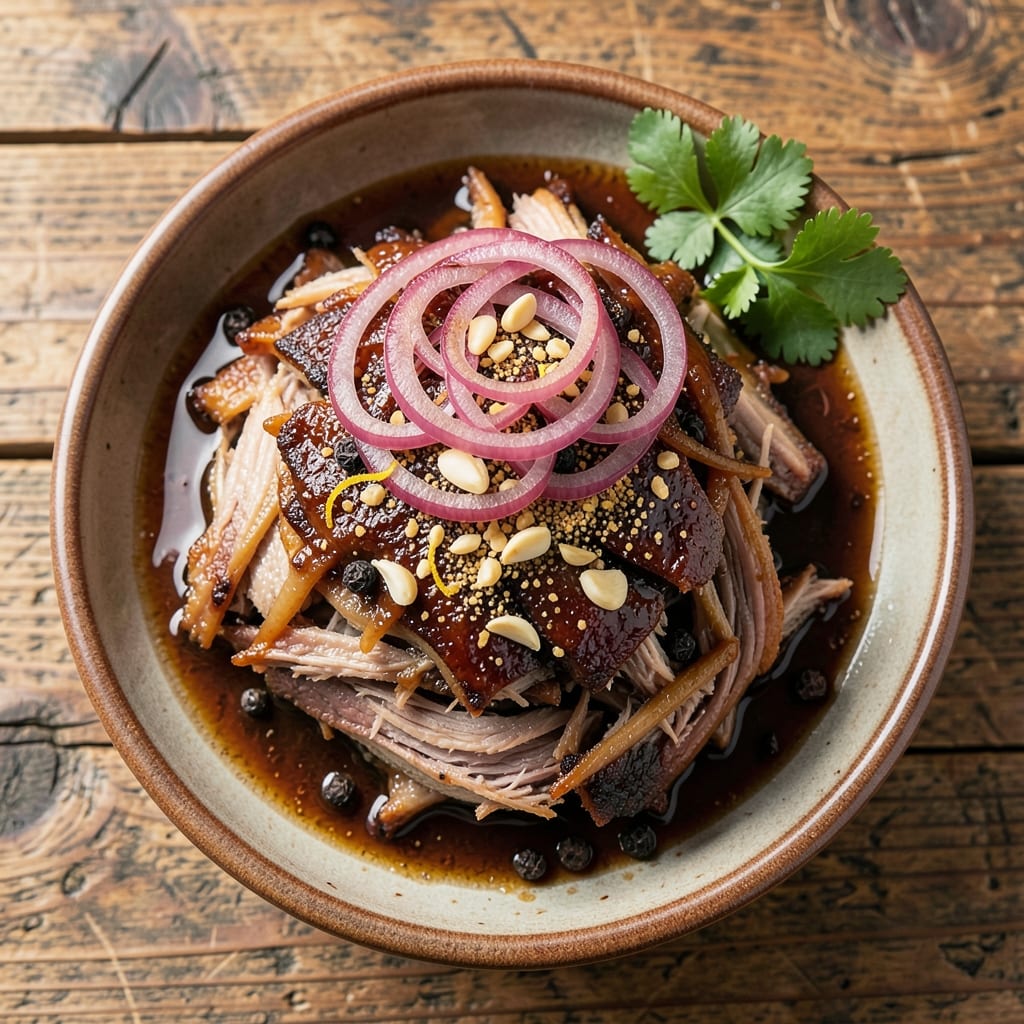
This smoked pulled pork recipe transforms your pellet grill into a flavor factory, delivering tender, fall-apart meat with deep smoky notes that’ll have guests begging for seconds. As a pitmaster who grew up on backyard cookouts, I’ve perfected the low-and-slow method to ensure every bite is juicy and packed with that unmistakable wood-fired aroma. The secret? Patience, precision temperature control, and the right wood pellets—no shortcuts, just smoky magic.
What sets this recipe apart is the balance of simplicity and technique. You’ll start with a simple yet bold rub, then let the pellet grill do the heavy lifting at a steady 225°F, where the meat breaks down slowly into irresistible shreds. The key is maintaining that perfect temperature and choosing the right wood—hickory for classic smokiness or apple for a sweeter touch. This isn’t just pulled pork; it’s a showstopper that turns any gathering into a celebration.
By the time you’re done, you’ll have perfectly tender pork that practically melts in your mouth, infused with that signature smoky flavor that defines great barbecue. The beauty of pellet grills is their consistency—they handle the temperature work for you, so all you have to focus on is the moment when that meat pulls apart effortlessly. Serve it on soft buns with tangy coleslaw or let guests pile it high with all the fixings. This is the kind of dish that turns a simple meal into a memory.
Whether you’re hosting a backyard BBQ or just craving that deep, smoky satisfaction, this recipe delivers restaurant-quality results at home. The best part? You’ll have time to enjoy the process—because great pulled pork isn’t made in a hurry. Let’s get smoking!
Ingredients for best smoked pulled pork recipe pellet grill
Smoky, tender magic starts with these 13 ingredients—your pellet grill’s new best friend.
| Ingredient | Amount | Notes |
|---|---|---|
| Pork Shoulder 🥩 | 6 lb | Bone-in, well-marbled preferred |
| Yellow Onion 🧅 | 1 whole | Chopped, for rub |
| Garlic Cloves 🧄 | 8 cloves | Minced, for rub |
| Brown Sugar 🍯 | ½ cup | Light or dark, for rub |
| Smoked Paprika 🌶️ | 2 tbsp | For deep smoky flavor |
| Ground Black Pepper 🌶️ | 1 ½ tbsp | Freshly ground preferred |
| Kosher Salt 🧂 | 2 tbsp | Diamond Crystal preferred |
| Ground Cumin 🌿 | 1 tbsp | Toasted for depth |
| Apple Wood Pellets 🌳 | 2 lbs | For sweet, fruity smoke |
| Hickory Wood Pellets 🌳 | 1 lb | For classic smoky flavor |
| Apple Cider Vinegar 🍎 | ¼ cup | For moisture and tang |
| Beef Broth 🍲 | 1 cup | Low-sodium preferred |
| Unsalted Butter 🧈 | ½ cup | Cold, for basting |
The pork shoulder is non-negotiable—bone-in, well-marbled cuts from Costco or your local butcher are ideal. Look for cuts with visible fat marbling; it’s what makes this meat melt-in-your-mouth tender. If you’re buying frozen, thaw it in the fridge for 24-48 hours. For the wood pellets, Traeger’s apple and hickory blends are my go-to—they’re consistent and deliver that perfect balance of sweet and smoky. Pro tip: store pellets in a cool, dry place to prevent clumping.
No smoked paprika? Regular paprika plus a pinch of liquid smoke works in a pinch, but you’ll miss that authentic depth. Running out of apple wood? Cherry pellets give a similar fruity note. The beef broth adds moisture, but low-sodium chicken broth is a fine swap if you’re avoiding beef. For the rub, toast the spices in a dry pan for 30 seconds to wake up their flavors—trust me, it makes all the difference. And if you’re short on time, pre-mix the dry rub ingredients in a jar for easy application.
This pork is a make-ahead machine—it actually tastes better the next day as the flavors meld. Store leftovers in the fridge for 5-6 days or freeze for up to 3 months. For serving, I like to portion it into quart-sized containers with a little extra broth so it stays juicy when reheated. The butter? Save some for basting during cooking—it keeps the meat moist and adds richness. And if you’ve got extra wood pellets, store them in a sealed container away from moisture.
Why You'll Love This Recipe
- Sweet-Smoky Magic: That caramelized brown sugar crust? It’s the star. The garlic and onion mellow into rich, sticky sweetness, while the smoked paprika gives it that deep, woodsy warmth that makes every bite irresistible.
- Leftovers That Shine: Honestly, I make this just for the leftovers. The pulled pork keeps for days, and it’s even better cold in sandwiches or reheated with a splash of BBQ sauce. (Yes, even on a Tuesday night.)
- Budget-Friendly Crowd-Pleaser: A single pork shoulder feeds six, and the ingredients won’t break the bank. The onions and garlic add depth without cost, while the brown sugar and paprika turn simple meat into something everyone begs for.
Step-by-step instructions for perfectly smoked pulled pork
Here's how to transform that pork shoulder into melt-in-your-mouth perfection using your pellet grill.
Prepare the Pork Shoulder with a Flavor-Packed Rub
Start by trimming any excess fat from the pork shoulder, leaving about ¼ inch to protect the meat during smoking. Pat it completely dry with paper towels—this helps the rub adhere and creates that coveted bark. In a bowl, combine the chopped yellow onion, minced garlic cloves, brown sugar, smoked paprika, ground black pepper, kosher salt, and ground cumin. Mix well until you have a coarse, even rub.
Generously coat all sides of the pork shoulder with the rub, pressing it into the meat so it sticks. Place the rubbed pork on a plate and let it sit at room temperature for 30 minutes. This step ensures even cooking and maximum flavor penetration. Here's the thing—don't skip this resting time. Cold meat takes longer to cook evenly, and you want that beautiful bark forming from the get-go.
Set Up Your Pellet Grill for Low-and-Slow Smoking
Fill your pellet grill's hopper with a mix of 2 lbs apple wood pellets and 1 lb hickory wood pellets—this combination gives you that perfect balance of sweet and smoky flavors. Set your grill to 225°F and let it preheat for 15-20 minutes until you see clean, blue smoke. The applewood adds a subtle sweetness that complements the rich pork, while the hickory brings that classic BBQ depth.
Once the grill reaches temperature, place the pork shoulder fat-side up on the grill grates. The fat will render down and baste the meat as it cooks, keeping it moist and flavorful. Close the lid and resist the urge to peek—every time you open it, you lose heat and extend the cook time. I know it's tempting, but trust the process. The pork will take 6-8 hours to reach the perfect internal temperature, and that patience pays off.
Monitor the Cook and Wrap for Maximum Tenderness
After 4-5 hours of smoking, check the internal temperature of the pork using a meat thermometer. You're looking for it to hit around 165-170°F. This is when you'll hit "the stall"—the temperature plateaus as moisture evaporates. Don't panic; this is normal and expected. At this point, wrap the pork tightly in butcher paper (not foil—it breathes better and preserves the bark).
Return the wrapped pork to the grill and continue smoking until the internal temperature reaches 200-205°F, which should take another 2-3 hours. The butcher paper allows the pork to stay moist while still developing that beautiful crust. You'll know it's done when a probe slides in like butter with no resistance. The pork should look dark and glossy, with a thick smoke ring just beneath the surface. This is the moment that matters—perfectly tender, smoky, and ready to pull apart.
Rest and Shred the Pulled Pork
Once the pork reaches the target temperature, remove it from the grill and let it rest for at least 1 hour (I prefer 2 hours if you can wait). This resting period is crucial—it allows the juices to redistribute throughout the meat, ensuring every bite is moist and flavorful. Tempting as it is, don't skip this step. The pork will continue to cook slightly as it rests, and you'll end up with a juicier, more tender final product.
After resting, transfer the pork to a cutting board and shred it using two forks or a meat claw. Discard any large pieces of fat or connective tissue. In a large bowl, combine the shredded pork with the apple cider vinegar and beef broth. This mixture adds moisture and tang, keeping the pork tender and flavorful. Toss everything together gently, then taste and adjust the seasoning if needed. The pork should be fall-apart tender with a perfect balance of smoky, sweet, and tangy flavors.
Finish with Butter for Richness (Optional but Recommended)
For that extra touch of richness, melt the ½ cup unsalted butter in a small saucepan over low heat. Once melted, pour it over the shredded pork and toss to coat evenly. The butter adds a velvety texture and deepens the flavor, making every bite even more decadent. Serve the pulled pork immediately on soft buns with your favorite toppings, like coleslaw or pickles. The contrast of the cool toppings with the warm, smoky pork is pure perfection.
This pulled pork is the best you'll ever make—juicy, tender, and packed with smoky flavor. The key is patience and attention to detail, but trust me, it's worth every minute. Enjoy your masterpiece with friends and family, and get ready for compliments that'll make it all worthwhile.
Pro Tips For Making Best Smoked Pulled Pork Recipe Pellet Grill
- CRANK THE TEMP TO 225°F: I learned this the hard way—starting at 200°F saves fuel but turns your pork into tough, stringy mush. That extra 25°F makes all the difference in breaking down collagen without drying it out. (Yes, even if you’re impatient like me.)
- BRINE THE PORK OVERNIGHT: Skip the dry rub for at least 4 hours (overnight is better)—a simple brine of 1 gallon water, ½ cup kosher salt, and ¼ cup brown sugar keeps the meat juicy and lets the crust form faster on the grill. Trust me, your pulled pork won’t turn out gummy if you do this.
- WRAP IN FOIL AT 160°F: After 4-5 hours, when the internal temp hits 160°F, wrap the pork shoulder in butcher paper or foil with a handful of chopped onions and garlic. This isn’t just a shortcut—it locks in moisture and speeds up the cook without turning the exterior to ash.
- USE A MEAT PROBE, NOT GUESSWORK: The stall happens, and your pellet grill’s temp gauge isn’t always accurate. Stick a probe in the thickest part—when it hits 203°F, that’s your magic number. Pulling too early means shredding like sad, dry taco meat. (I’ve been there.)
Essential equipment for best smoked pulled pork recipe pellet grill
Pellet Grill Must-Haves
Your pellet grill is the star of this show, but a few key accessories make all the difference. First, grab a digital meat thermometer like the ThermoWorks Smoke—it’s my go-to for tracking internal temps with precision. A wireless probe lets you monitor the pork without opening the lid, which is critical for maintaining that steady 225°F temperature. For wrapping the pork, butcher paper (not foil!) is a game-changer—it breathes better and preserves that perfect bark. I also recommend a pellet grill cover to protect your investment from the elements, especially if you’re cooking outdoors. 🌡️
Wood Pellet Essentials
Wood pellets are the soul of your smoked pork, so choose wisely. I swear by Traeger’s apple and hickory blends for that perfect sweet-smoky balance, but Lumberjack’s cherry or pecan are great alternatives for variety. Store pellets in a sealed, airtight container to prevent clumping—moisture is the enemy of fresh smoke flavor. For extra convenience, keep a backup bag of pellets on hand; running out mid-cook is a nightmare. Pro tip: Toast your pellets in a dry pan for 30 seconds before using to deepen their aroma. 🌳
Prep and Storage Tools
Before you even light the grill, gather your prep tools. A sharp boning knife and cutting board are non-negotiable for trimming the pork shoulder cleanly. For the rub, a small mixing bowl and spoon work perfectly, but I love using a spice grinder to toast cumin seeds fresh for extra depth. Once the pork is cooked, a meat claw or two forks makes shredding effortless. Store leftovers in quart-sized glass containers with a splash of beef broth to keep them juicy for up to 5 days in the fridge. ❄️
Optional Upgrades
If you’re serious about your pellet grill game, consider a smoke tube for extra flavor infusion—just place it near the meat during the final hour of cooking. A pellet grill thermometer with alerts (like the Traeger GrillPro) sends notifications when the pork hits 200°F, so you don’t have to babysit the grill. For serving, soft brioche buns and a tongs set are worth the splurge—they make assembly and presentation a breeze. And if you’re foraging like me, a small herb mortar and pestle lets you crush fresh rosemary or thyme for a final garnish. 💫
Budget-Friendly Swaps
No need to break the bank! Skip the fancy thermometer and use a cheap instant-read thermometer (like OXO’s) for $20. Butcher paper can be replaced with heavy-duty aluminum foil in a pinch, though the bark won’t be as crispy. For wood pellets, local hardware stores often carry affordable brands—just avoid the dollar-store variety, which can be inconsistent. A wooden spoon works fine for mixing the rub, and plastic containers are fine for storage if you’re short on glassware. The key is focusing on what matters most: temperature control and wood quality.
Nutrition facts
Frequently asked questions
Can I use pork butt instead of pork shoulder for this recipe?
Pork butt and pork shoulder are essentially the same cut—just labeled differently depending on where you buy it. Both work perfectly for pulled pork, with similar cooking times and results. The key is choosing a well-marbled, bone-in cut (about 6 lbs) for maximum tenderness and flavor.
What if my pellet grill struggles to maintain 225°F?
Pellet grills sometimes fluctuate, especially in windy conditions or when first starting. If your temp drops below 220°F, close the lid tightly and give it 15-20 minutes to recover. Avoid opening it frequently—every peek can lose 10-15°F of heat. For stubborn grills, preheat longer (30 minutes) before adding the pork.
How do I know when the pork is done if I don’t have a meat thermometer?
While a thermometer is ideal, you can use the "finger test" as a backup. Press your finger into the meat—if it feels like 203°F (very firm but not hard), it’s close. Alternatively, check for a thick smoke ring (about 1/4 inch deep) and probe with a knife—if it slides in easily and the juices run clear, it’s likely done.
Can I make this pulled pork in a slow cooker instead?
Technically yes, but you’ll miss the smoky depth. For a slow cooker version, cook the pork on low for 8-10 hours (no wood pellets = no smoke flavor). Skip the butcher paper wrap and add ½ cup apple juice to the pot to keep it moist. The texture will be tender, but the flavor won’t compare to pellet-grilled perfection.
What’s the best way to reheat leftover pulled pork?
Reheat gently in a skillet over low heat with 2 tablespoons broth to prevent drying. For microwave reheating, cover with a damp paper towel and heat in 30-second bursts, stirring between each. Never reheat to steaming—this turns pulled pork into pulled leather. Store leftovers in airtight containers with a splash of broth to maintain moisture.