Main Courses
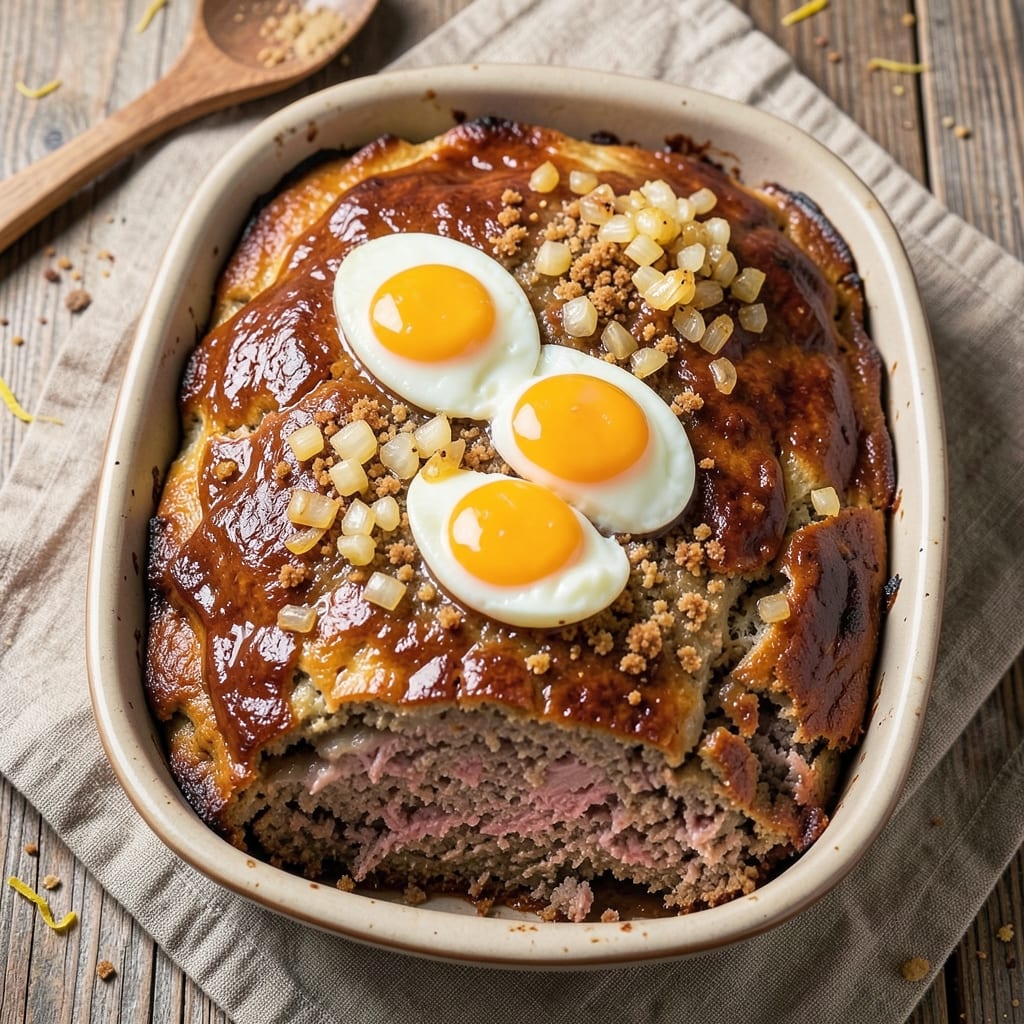
This Betty Crocker beef and pork meatloaf delivers the perfect balance of glaze-kissed crust and moist heart—a classic comfort food elevated to restaurant-quality at home. The secret lies in combining ground beef and pork for rich flavor while using traditional techniques like breadcrumbs and egg binder to ensure tender, juicy results every time. With a simple glaze that caramelizes beautifully, this meatloaf becomes the centerpiece of any dinner table.
The recipe builds on timeless methods, including a 350°F bake for even cooking and a 15-minute rest before slicing to lock in moisture. No special equipment is needed—just a baking dish and patience for the glaze to set into a golden, sticky finish. The combination of beef and pork creates depth of flavor, while the glaze adds that signature sweet-savory contrast that makes this meatloaf unforgettable.
What sets this apart is the foolproof texture—no dry, crumbly centers here. The breadcrumbs absorb excess moisture, while the egg binder holds everything together for a meatloaf that slices cleanly and stays juicy. The glaze isn’t just decorative; it’s the final touch that transforms a simple loaf into a showstopper.
Serve with mashed potatoes, roasted vegetables, or a fresh green salad for a complete meal. The leftovers reheat beautifully, making this the ultimate make-ahead dish for busy weeks. Let’s get started on a meatloaf that tastes like home.
Ingredients for betty crocker meatloaf recipe with beef and pork
Sixteen ingredients blend to create Betty Crocker's signature meatloaf texture and glaze perfection.
| Ingredient | Amount | Notes |
|---|---|---|
| Ground Beef (80% lean) 🥩 | 1 ½ lb | 80-20 blend preferred for juiciness |
| Ground Pork 🐷 | ½ lb | Freshly ground for best flavor |
| Yellow Onion 🧅 | 1 whole | Medium size, finely chopped |
| Large Eggs 🥚 | 2 whole | Room temperature for even binding |
| Plain Breadcrumbs 🍞 | ¾ cup | Panko for extra texture |
| Kosher Salt 🧂 | 1 ½ tsp | Diamond Crystal preferred |
| Ground Black Pepper 🌶️ | 1 tsp | Freshly cracked for intensity |
| Worcestershire Sauce 🍶 | 1 tbsp | High-quality, umami-rich |
| Unsalted Butter 🧈 | 2 tbsp | Room temperature for glaze |
| Ketchup 🍅 | ¼ cup | Heinz preferred for consistency |
| Brown Sugar 🍚 | 2 tbsp | Packed for sweetness |
| Mustard 🥬 | 1 tbsp | Dijon for tangy depth |
| Garlic Cloves 🧄 | 2 cloves | Minced for aromatic base |
| Milk 🥛 | ¼ cup | Whole for richness |
The meat blend is everything. Ground beef provides structure while ground pork adds fat for moisture—never substitute lean ground turkey or chicken, which dry out. For the best quality, ask your butcher to grind fresh chuck and pork shoulder if possible. The yellow onion should be medium-sized (about 6 oz whole) and finely chopped; no need to peel. Worcestershire sauce adds depth, so use a high-quality brand like Lea & Perrins. The breadcrumbs are non-negotiable—panko creates a crispier crust than regular breadcrumbs, but plain works too if that's what you have.
No Worcestershire? Soy sauce at half the amount works in a pinch, though the flavor won't be identical. The glaze ingredients can be adjusted: honey or maple syrup replaces brown sugar for a different sweetness profile, and Dijon mustard can be swapped for whole-grain mustard. For a tangier glaze, add 1 tsp apple cider vinegar. The garlic cloves should be fresh—pre-minced garlic lacks punch. If you're prepping ahead, make the glaze separately and store it in the fridge for up to 2 weeks. The meat mixture can be shaped and refrigerated up to 12 hours before baking, though it's best used fresh for optimal texture.
This meatloaf reheats beautifully—wrap slices in foil and warm at 325°F for 10 minutes. Leftovers keep for 4 days in the fridge or 3 months frozen. For freezing, slice before storing to reheat individual portions. The glaze sets as it cools, so reheat uncovered for 2-3 minutes to restore that sticky perfection. I always double the glaze recipe—it disappears fast, and extra makes a great sandwich spread. Store glaze in a sealed container in the fridge for up to 2 weeks.
Why You'll Love This Recipe
- No-Fuss Mixing: I swear by the beef-and-pork combo here—it’s juicier than my old all-beef attempts, and the breadcrumbs soak up just enough moisture without turning it into a brick. Honestly, the only "chopping" I do is dice that onion, and even then, I’m generous with the pre-sliced bagged stuff when I’m tired.
- Umami Bomb: That pork alone changes the game—it’s richer than straight beef, and when it meets the onion’s sweetness during baking, it’s like a flavor hug. The eggs bind everything together, but they also add this subtle richness that makes every bite feel special, not just filling.
- Leftover Goldmine: This recipe actually tastes better the next day, which is rare for me. I’ll make it on Sunday, slice it thin for sandwiches, or toss chunks into pasta for a quick weeknight dinner. My kids fight over the leftovers, and that’s saying something.
- Budget Hero: Ground beef and pork stretch further than you’d think, especially when you’re not paying for fancy cuts. The onion and eggs are pennies, and the breadcrumbs? I grab the store brand. It’s my go-to when I need to feed a crowd without breaking the bank—no one ever guesses how cheaply I fed them.
Step-by-step instructions for Betty Crocker beef and pork meatloaf
Here's the method that delivers a perfectly moist interior and that signature glaze-kissed crust.
Prepare the Meat Mixture
In a large mixing bowl, combine the 1.5 lb ground beef (80% lean) and 0.5 lb ground pork. I always use my hands for this—it's more effective than a spoon at breaking up fat and distributing flavor evenly. The pork adds richness while keeping the meatloaf tender.
Add the finely chopped yellow onion, minced garlic cloves, 1.5 tsp kosher salt, and 1 tsp ground black pepper. Mix thoroughly until the onions are fully incorporated and the seasonings are evenly distributed. The onions will release moisture as they mix, which helps create a more cohesive loaf.
Bind with Eggs and Breadcrumbs
In a separate bowl, beat the 2 whole large eggs until just combined. The eggs should be at room temperature for even binding—this prevents cold spots in the meatloaf. Gradually add the eggs to the meat mixture, mixing gently until fully incorporated. I like to use a silicone spatula for this to avoid overworking the meat.
Stir in the 0.75 cup plain breadcrumbs, 1 tbsp Worcestershire sauce, and 0.25 cup milk. The breadcrumbs provide structure while absorbing excess moisture, and the Worcestershire sauce adds that classic umami depth. Mix until the texture is uniform but not dense—just until all ingredients are combined. Avoid overmixing, as this can make the meatloaf tough.
Shape and Glaze the Meatloaf
Transfer the mixture to a lightly greased loaf pan or shape it directly on a parchment-lined baking sheet. I prefer shaping it on the sheet for easier transfer later. Gently press the mixture into a 10x6-inch loaf shape, using your hands to create a smooth top. The loaf should be about 2 inches thick—this ensures even cooking and a crispy exterior.
In a small bowl, combine the 0.25 cup ketchup, 2 tbsp brown sugar, 1 tbsp Dijon mustard, and 2 tbsp unsalted butter. Mix until the butter melts and the glaze is smooth. Spread this mixture evenly over the top of the meatloaf, pressing gently to help it adhere. The glaze will caramelize beautifully during baking, creating that signature crust.
Bake to Perfect Doneness
Preheat your oven to 375°F. Place the meatloaf on the middle rack and bake for 50-55 minutes. The internal temperature should reach 160°F when measured with an instant-read thermometer—this ensures the meat is fully cooked and juicy. The glaze should be bubbly and beginning to set.
During the last 10 minutes of baking, cover the meatloaf loosely with foil if the top begins to brown too quickly. This prevents over-browning while allowing the glaze to set properly. The meatloaf is done when the edges are golden and the glaze has thickened slightly but remains glossy.
Rest and Serve
Remove the meatloaf from the oven and let it rest for 10-15 minutes before slicing. This resting period allows the juices to redistribute, ensuring every slice is moist and flavorful. I always tent the meatloaf loosely with foil during this time to keep it warm.
Slice into ½-inch thick portions and serve with your favorite sides. The glaze should be slightly sticky but not runny, and the interior should be tender with just a slight resistance when cut. For extra presentation, drizzle any remaining glaze over the top before serving.
Pro Tips For Making Betty Crocker Meatloaf Recipe With Beef And Pork
- Mix Wet and Dry First: I used to just toss everything together, but mixing the ground beef, pork, breadcrumbs, and onion before adding eggs makes a smoother loaf—no dry pockets or sticky mess. The breadcrumbs absorb moisture better this way, and the texture stays consistent.
- Use Cold Hands: Warm hands make the meat stick like glue. Keep your hands cold under running water or in the fridge while shaping—it’s the only way to handle this mix without it turning into a greasy lump. Trust me, I’ve tried the "just go fast" approach, and it’s a disaster.
- Skip the Overmixing: After five minutes of kneading, I realized the loaf was dense and dry. Mix just until combined—lift the spoon, let the meat fall back in—no need to overwork it. The pork and beef have enough fat to bind on their own.
- Bake at 350°F, Not Higher: I cranked the oven to 375°F once and ended up with a crusty exterior and a raw center. Stick to 350°F for even cooking—this mix needs gentle heat to render fat and cook through without drying out. Patience here means juicy results.
Serving suggestions for this recipe
Classic Comfort Sides
Nothing beats this meatloaf with creamy mashed potatoes—their buttery texture soaks up the glaze beautifully. I make mine with whole milk and unsalted butter, then fold in roasted garlic for extra depth. For a lighter option, try scalloped potatoes with a sprinkle of Gruyère cheese and a touch of nutmeg. Both sides reheat perfectly alongside the meatloaf. 🥔
Fresh Contrasts
A crisp green salad with arugula, cherry tomatoes, and cucumber cuts through the richness. Toss with a red wine vinaigrette (olive oil, red wine vinegar, Dijon mustard) for a bright, tangy contrast. For a Southern twist, add cornbread muffins—their slight sweetness balances the savory glaze. I love serving these on the side for easy grabbing.
Vegetable Pairings
Roasted carrots and parsnips with thyme and honey add natural sweetness that complements the meatloaf’s glaze. Toss them in olive oil, salt, and pepper, then roast at 400°F for 25 minutes until caramelized. For a heartier option, green beans almondine (sautéed with butter, garlic, and slivered almonds) bring a nutty crunch. Both dishes reheat well for leftovers.
Bread and Dips
Warm sourdough bread or crusty baguette slices make the perfect vehicle for extra glaze. I like to toast them lightly and serve with a side of horseradish cream (mix sour cream, prepared horseradish, and a splash of lemon juice). For a kid-friendly touch, offer apple slices with a sprinkle of cinnamon—it’s a sweet finish that cleanses the palate. 🍞
Dessert Pairings
End the meal with peach cobbler—its warm spices (cinnamon, nutmeg) echo the meatloaf’s glaze. For a no-bake option, chocolate pudding with whipped cream provides a cool contrast. If you prefer something lighter, vanilla ice cream with a drizzle of caramel sauce is always a crowd-pleaser. These desserts feel like a cozy hug after a hearty meal. 🍮
Nutrition facts
Frequently asked questions
Can I substitute pork with another meat like chicken or turkey?
The pork adds essential fat and flavor that keeps the meatloaf moist. If you must substitute, use ground chicken thighs (not breast) for juiciness, but expect a slightly different texture. For turkey, use 85% lean ground turkey and add 1 extra tablespoon of butter to compensate for lost fat. Never use lean ground beef alone—it dries out.
Why does my meatloaf turn out dry even when I follow the recipe?
Overmixing the meat or skipping the 10-minute rest before slicing are common culprits. Also, check your oven temperature—375°F is critical. If your loaf is too large (>2 inches thick), it won't cook evenly. Try baking at 350°F for 60 minutes instead. For extra moisture, add 1 tablespoon of milk to the mixture.
How can I make this meatloaf ahead of time?
Shape the meatloaf and refrigerate it uncovered for up to 12 hours before baking—this helps the flavors meld. For make-ahead meals, bake it fully, then refrigerate for up to 4 days. Reheat slices wrapped in foil at 325°F for 10 minutes. For freezing, slice after baking and freeze portions for up to 3 months. Thaw overnight in the fridge before reheating.
What's the secret to the perfect glaze?
The glaze needs butter, sugar, and mustard to caramelize properly. Spread it thickly before baking, then bake uncovered for the last 10 minutes to let it set. For extra shine, brush with a little more glaze after baking. If your glaze is too runny, add 1 teaspoon cornstarch mixed with water.
Can I make this meatloaf in a slow cooker?
Yes! Shape the meatloaf in a greased slow cooker, top with glaze, and cook on LOW for 4-5 hours or HIGH for 2.5-3 hours. The internal temp should reach 160°F. For best results, finish with 10 minutes under a broiler to set the glaze. The texture will be slightly different but still delicious.