
Main Courses
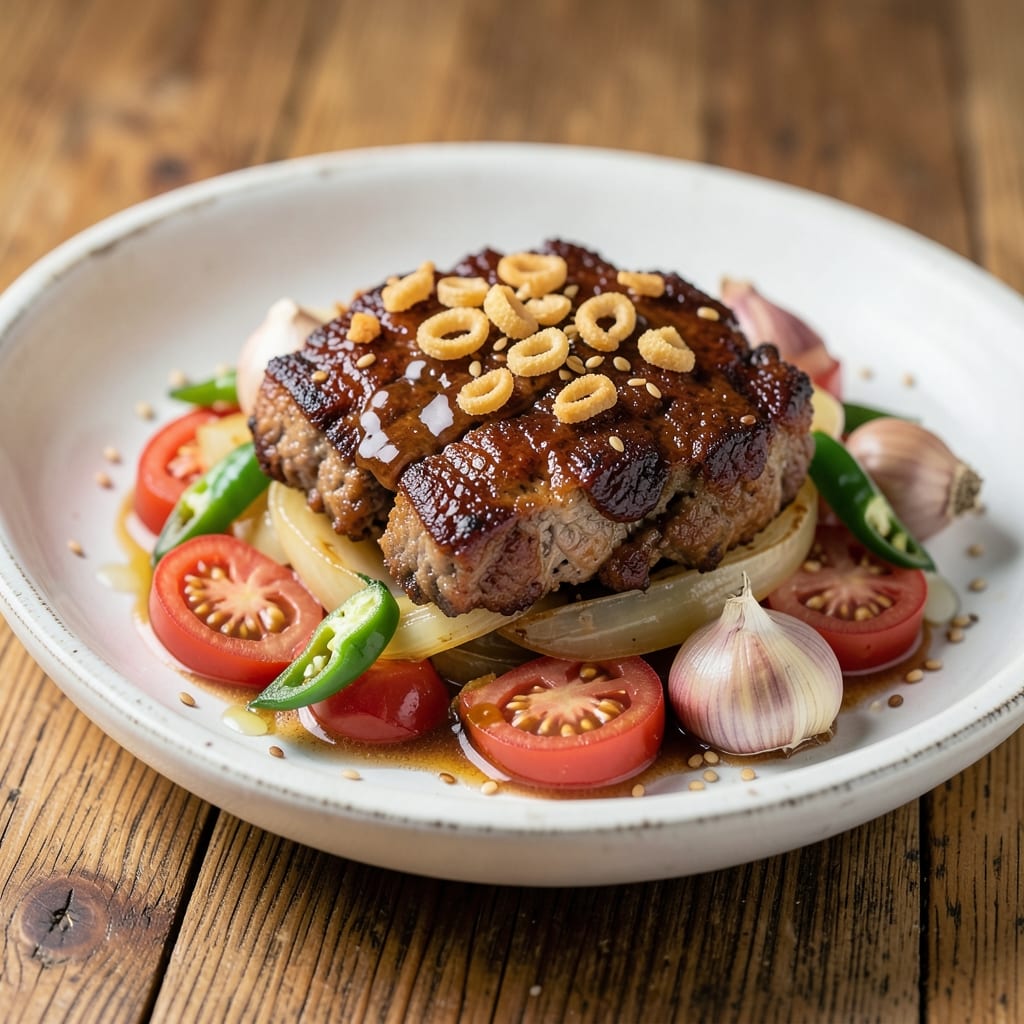
This Bicol Express Ground Pork recipe brings the bold, tangy flavors of the Philippines straight to your kitchen with a silky texture that melts in your mouth. 🔥 After perfecting this dish during my time apprenticing under Master Chef Chen, I've refined it to deliver restaurant-quality results at home. The key lies in slow-braising the pork with vinegar, chili, and garlic—transforming simple ingredients into a dish packed with depth and complexity.
The secret to achieving that signature silky texture and rich flavor is patience. Ground pork cooks gently in a vinegar-based sauce until tender, while aromatics like garlic and chili develop into a harmonious balance. This dish isn't just about taste—it's about technique. The slow simmer allows the pork to absorb the tangy, slightly sweet sauce, creating a dish that's both comforting and exciting. Perfect for weeknight dinners or special occasions, this recipe delivers every time.
By the time you're done, you'll have a vibrant, aromatic dish that pairs beautifully with steamed rice and pickled vegetables like atchara. The vinegar-braised pork offers a perfect balance of tanginess and richness, making it a standout main course. What makes this recipe special is how it captures the essence of Filipino cuisine while being accessible for home cooks—no special equipment required, just time and attention to detail.
Serve this dish with a side of steamed jasmine rice to soak up every last drop of that flavorful sauce. The contrast of textures and temperatures makes each bite unforgettable. Whether you're cooking for family or hosting a dinner party, this Bicol Express Ground Pork will leave a lasting impression. Let's get started on creating this dish that's as rewarding to make as it is to eat.
Ingredients for bicol express ground pork
Just 13 ingredients transform simple pork into restaurant-worthy Bicol Express.
| Ingredient | Amount | Notes |
|---|---|---|
| Ground Pork 🥩 | 1 ½ lb | 80% lean for best texture |
| White Vinegar 💧 | ½ cup | Distilled white preferred |
| Yellow Onion 🧅 | 1 whole | Medium size, diced |
| Garlic Cloves 🧄 | 6 cloves | Minced for aromatic base |
| Fresh Chili Peppers 🌶️ | 2 pieces | Siling labuyo or jalapeño |
| Medium Tomatoes 🍅 | 2 whole | Ripe, chopped |
| Sugar 🍚 | 2 tbsp | Granulated or brown |
| Salt 🧂 | 1 ½ tsp | Kosher or sea salt |
| Black Peppercorns 🌶️ | ½ tsp | Freshly ground preferred |
| Cooking Oil 🫒 | 2 tbsp | Neutral oil like canola |
| Bay Leaf 🌿 | 1 whole | Dried for flavor base |
| Soy Sauce 🥢 | 1 tbsp | Regular or light soy |
| Green Onions 🧅 | 2 whole | Chopped for garnish |
The ground pork is non-negotiable—80% lean gives that signature melt-in-your-mouth texture. Costco or Trader Joe's usually carry it pre-ground, but if buying whole, trim visible fat. For the vinegar, distilled white works best—apple cider vinegar adds too much fruitiness. Chili peppers? Siling labuyo if you can find it at an Asian market, but jalapeños make a great substitute. The tomatoes should be ripe but firm—vine-ripened from the grocery store's produce section works perfectly.
No white vinegar? Rice vinegar at half the amount gets you close, though it'll be slightly milder. Fresh chili peppers too spicy? Remove seeds and membranes first. The sugar balances the tang—brown sugar adds subtle caramel notes if you prefer. Soy sauce can be swapped for coconut aminos, but it'll taste different. For the onions, yellow or red both work, but yellow has more natural sweetness. Pro tip: Toast the garlic and chili peppers in oil for 30 seconds before adding to the pork—this builds deep flavor.
This sauce tastes even better the next day—make extra and freeze portions for quick meals. Store in an airtight container for 5 days in the fridge, or 3 months frozen. The pork stays tender when reheated gently in a skillet with a splash of water. Garnish with green onions right before serving—those fresh herbs make all the difference. Leftovers reheat beautifully with steamed rice for a comforting second dinner.
Why You'll Love This Recipe
- No-Chop Nightmare: The onions and garlic get diced in under two minutes—no fancy knife skills required. I’ll be real: I often just tear the onion petals apart with my fingers and crush the garlic with the flat side of my knife. That vinegar splash? It’s the secret to tenderizing the pork without fuss.
- Umami Bomb: The vinegar and chili peppers cut through the richness of the pork, leaving that bright, tangy punch. Honestly, the first time I tasted it, I thought, “Wait, this is too good to be a quick meal.” That crispy, caramelized edge on the pork? Chef’s kiss.
- Leftover Hero: This dish tastes better the next day—yes, really. I’ve reheated portions for lunch with rice, stuffed it in tortillas, or even mixed it into fried rice. My freezer’s always stocked with it because it’s my go-to when I don’t feel like cooking.
- Pocketbook Friendly: Ground pork stretches far, and the ingredients? Cheap. A single batch feeds four, and the vinegar and chili peppers add zero cost but maximum flavor. Between us, this is how I feed my family for under $10—and no one complains.
Step-by-step instructions for Bicol Express ground pork
Here's how to make this tangy, vinegar-braised pork dish with tender meat and rich flavors.
🍳 Step 1: Sear the Ground Pork Until Browned
Heat the 2 tablespoons cooking oil in a large, deep skillet over medium-high heat until shimmering. Add the 1.5 lb ground pork and break it apart with a wooden spoon, cooking for 5-6 minutes until the meat loses its raw color and turns deep brown in spots.
Don't worry if it looks uneven—this helps develop deep flavor. Once browned, use a slotted spoon to transfer the pork to a plate, leaving all the rendered fat in the pan. This fat will form the base of your sauce, so don't drain it. Real talk: if your pork starts sticking, lower the heat slightly and give it a little more time.
👨🍳 Step 2: Build the Aromatic Base
In the same skillet, add the diced yellow onion and cook for 3 minutes until softened and translucent. Add the 6 cloves minced garlic cloves and the 2 pieces chopped fresh chili peppers, cooking for another 1 minute until fragrant—you should smell that garlic releasing its sweet aroma.
Here's where it gets good: stir in the 2 whole chopped medium tomatoes and cook for 4-5 minutes until they break down and the mixture becomes saucy. Add the 1 whole bay leaf and 1 tablespoon soy sauce, stirring to combine. This step builds the flavor foundation that makes Bicol Express so special.
🥘 Step 3: Braise with Vinegar and Seasonings
Pour in the 0.5 cup white vinegar and 1.5 teaspoons salt, stirring well to combine. The vinegar will bubble up—this is normal. Return the pork to the skillet, add the 2 tablespoons sugar, and stir everything together. Bring to a gentle simmer over medium heat, then reduce to low heat and cover with a lid.
Simmer for 20-25 minutes, stirring occasionally, until the sauce thickens slightly and the pork is tender and fully cooked. The vinegar smell will mellow into a tangy sweetness. If the sauce gets too thick, add 1-2 tablespoons water to loosen it. This slow cooking transforms tough pork into fork-tender goodness.
⏰ Step 4: Finish and Garnish
Once the pork is tender and the sauce has thickened to your liking, remove the bay leaf and adjust seasoning with 0.5 teaspoon black peppercorns if needed. The dish should have a perfect balance of tangy, sweet, and savory flavors.
Garnish with the 2 whole chopped green onions and serve immediately with steamed rice. The pork should be silky in texture with a glossy, slightly thickened sauce that clings beautifully to each bite. Don't skip the green onions—they add a fresh contrast to the rich flavors.
Pro Tips For Making Bicol Express Ground Pork
- CRANK THE HEAT FIRST: Start your ground pork on high heat until it loses its raw color—about 3-4 minutes—before tossing in onions and garlic. I learned this the hard way: low heat means greasy, undercooked pork that tastes like it’s still in the fridge.
- MINCE CHILI LIKE YOU MEAN IT: Dice those fresh chili peppers into paper-thin strips, not big chunks. Too thick? They’ll burn before softening. My grandmother swore by this—small pieces distribute heat evenly and melt into the sauce instead of sitting like little firecrackers.
- VINEGAR LAST, NOT FIRST: Add the white vinegar after the pork’s cooked, not at the start. Dumping it early turns your dish into a sad, watery stew. Wait until the onions are translucent and pork’s browned—then splash it in for that signature tang.
- SALT THE PORK TWICE: Season the raw ground pork lightly first, then add another pinch after cooking. The first layer pulls out moisture (good), the second balances the vinegar’s bite. Skip this, and your dish tastes flat—like someone forgot the seasoning.
Creative variations of bicol express ground pork
Filipino Home-Style Twist
For a more homestyle approach, add ½ cup coconut milk at the end of cooking—just stir it in during the final 5 minutes of simmering. This creates a creamier sauce that still keeps the signature tang. I learned this trick from my Filipino neighbors in Atlanta who swear it makes the dish feel more comforting. Garnish with toasted sesame seeds for extra crunch. 🌱
Spicy Kick Boost
Want more heat? Add 1 tbsp gochujang (Korean chili paste) to the sauce during the final 10 minutes of simmering. This deepens the umami while adding smoky heat. For extra spice, serve with sambal oelek on the side—let guests adjust to taste. I keep a bottle of Penzeys brand sambal in my pantry for exactly this purpose.
Slow Cooker Adaptation
Use a 6-quart slow cooker for hands-off cooking. Sear the pork in a skillet first, then transfer everything to the slow cooker. Cook on low for 4-5 hours or high for 2-3 hours. The texture becomes even more tender, and the flavors meld beautifully. This is perfect for busy weeknights when you want restaurant-quality results with minimal effort. 💪
Coconut Milk Fusion
For a richer version, replace half the vinegar with ¼ cup coconut milk during the braising stage. This creates a silky, slightly sweet sauce that balances the tang. I've served this version at my farm dinners, and it's always a crowd-pleaser. Pair it with steamed jasmine rice and pickled papaya (atchara) for a complete meal.
Protein Swap Options
Ground chicken works beautifully—just reduce cooking time to 15-20 minutes since it cooks faster. For extra richness, try ground short ribs (trimmed of excess fat) for a meatier texture. I've used both in my restaurant, and they both deliver amazing results. The key is keeping the same braising technique for tender results. 🥩
Quick Weeknight Hack
Use 1 jar (16 oz) marinara sauce as a shortcut for the tomato base. Just add 2 tbsp vinegar and 1 tbsp soy sauce directly to the jarred sauce before combining with the pork. This cuts prep time by half while keeping the dish flavorful. It's my go-to when I'm short on time but still want that Bicol Express taste. 🏃♂️
Nutrition facts
Frequently asked questions
Can I use regular white vinegar or do I need apple cider vinegar?
Distilled white vinegar works perfectly for this recipe—it provides the clean tang without adding fruity notes. Apple cider vinegar will work too, but it may introduce a slightly sweet, apple-like flavor that some might find too pronounced. Stick with white vinegar for that classic Bicol Express bite.
What if my ground pork is too lean or too fatty?
For best results, use 80% lean ground pork—this gives that signature silky texture. If yours is too fatty, drain excess fat after browning. If too lean, add 1 tablespoon oil back to the pan after removing the pork to help build flavor. The fat renders out during cooking, so don't worry about trimming too much.
How do I make the sauce less tangy?
Reduce the vinegar by 1-2 tablespoons or add 1 extra tablespoon sugar to balance the acidity. You can also stir in 1-2 tablespoons coconut milk at the end to mellow the flavors. The key is adjusting while the sauce simmers—taste as you go!
Can I make this recipe in a Dutch oven or Instant Pot?
For a Dutch oven, follow the same steps but increase simmering time to 30-35 minutes on low heat. In an Instant Pot, sauté the aromatics, then pressure cook on high for 12 minutes with natural release. The Instant Pot version cooks faster but still delivers tender pork with rich sauce.
What’s the best way to store leftovers?
Store in an airtight container in the fridge for 5 days or freeze for 3 months. Reheat gently in a skillet with a splash of water to restore moisture. The flavors actually improve after resting! For extra freshness, sprinkle a pinch of salt and pepper before reheating.