
Main Courses
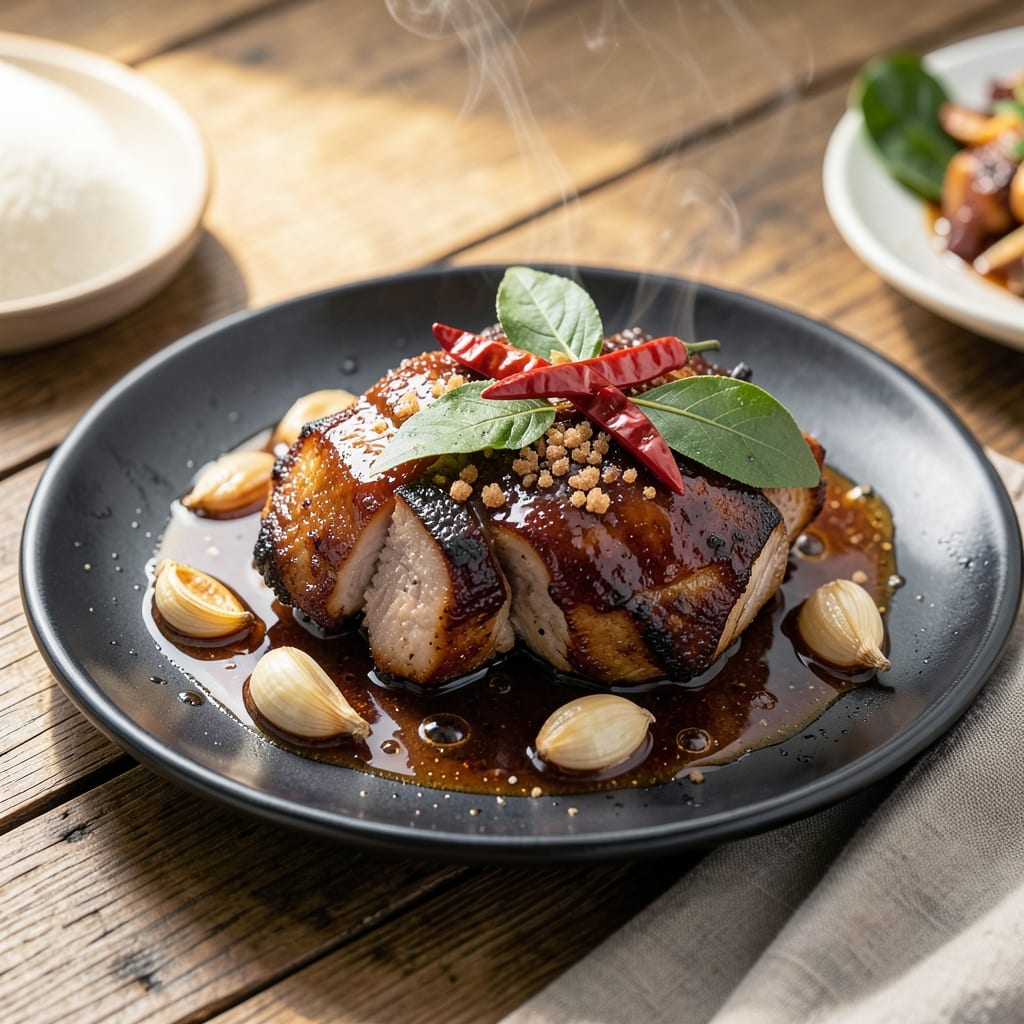
This Batangas pork adobo recipe delivers the crispy edges and deep, sweet-sour balance that makes Filipino comfort food unforgettable. Growing up in Georgia, I first tasted this dish at a local Filipino restaurant, and the memory of that first bite—tender pork with caramelized edges and a glossy sauce—stayed with me. The key? A long, slow simmer in vinegar and soy that transforms tough cuts into melt-in-your-mouth perfection.
The secret to authentic Batangas adobo lies in its regional touches: dried chilies for subtle heat and shrimp paste for umami depth, both simmered until the sauce reduces to a sticky, flavorful glaze. Unlike other adobo recipes, this version focuses on crispy pork edges while keeping the meat tender inside—a balance that takes patience but delivers restaurant-quality results at home.
By the time you’re done, you’ll have a dish that’s rich, tangy, and just slightly sweet, with pork so tender it nearly falls apart at the touch. The sauce clings to every bite, offering that perfect harmony of vinegar’s sharpness and soy’s savory depth. Serve it over steamed rice to soak up every last drop of that addictive glaze.
This recipe is designed to be both authentic and approachable, whether you're cooking for a family gathering or a weeknight dinner. The step-by-step method ensures crispy edges without drying out the meat, and the optional shrimp paste adds a layer of complexity that elevates it beyond basic adobo. Let’s get started on a dish that tastes like home, no matter where you are.
Ingredients for batangas pork adobo
Sweet-sour balance starts with these 12 ingredients—pork, vinegar, and secret touches like shrimp paste.
| Ingredient | Amount | Notes |
|---|---|---|
| Pork Shoulder 🥩 | 2 lb | Cut into 2-inch chunks, bone-in preferred |
| Cane Vinegar 🍶 | 1 cup | White vinegar works in a pinch |
| Soy Sauce 🍶 | ½ cup | Use light soy for authentic flavor |
| Brown Sugar 🍚 | ¼ cup | Packed, not scooped |
| Garlic Cloves 🧄 | 8 cloves | Minced, about 2 tbsp |
| Dried Chili Peppers 🌶️ | 2 pieces | Ancho or guindilla, stems removed |
| Shrimp Paste 🦐 | 1 tbsp | Optional for authentic depth |
| Bay Leaves 🌿 | 2 whole | Dried, for aromatic base |
| Black Peppercorns 🌶️ | ½ tsp | Crushed, for subtle heat |
| Olive Oil 🫒 | 2 tbsp | For crispy edges |
| Salt 🧂 | 1 ½ tsp | Kosher or sea salt |
| Water 💧 | 1 cup | For balancing acidity |
The pork shoulder is non-negotiable—it needs the fat and connective tissue for that melt-in-your-mouth texture. Costco or local butchers often have it pre-cut, but if you're buying a whole shoulder, ask for it cut into 2-inch chunks. For the vinegar, cane vinegar (like Filipino brands) gives that authentic tang, but white vinegar works in a pinch. Shrimp paste? That's the magic ingredient—find it in the Asian aisle at H Mart or Walmart. If you can't find it, skip it, but your dish will miss that umami punch. The dried chilies should be bright red and slightly plump—none of that dusty stuff.
No shrimp paste? Anchovy paste at half the amount is a decent swap, though it's not traditional. Running out of cane vinegar? Apple cider vinegar works, but it'll taste slightly different. The brown sugar needs to be packed—not scooped—so you're getting that dense, moist texture. For the garlic, peel and mince it fresh—jarred minced garlic lacks the brightness. The bay leaves can be dried or fresh; dried are more common in Filipino cooking. If your dried chilies are too hot, remove the seeds before adding them. And that olive oil? Don't skimp—it's what gets those pork edges crispy.
This dish tastes even better the next day as the flavors meld. Store leftovers in an airtight container in the fridge for up to 5 days. The sauce will thicken as it cools, so add a splash of water when reheating. For crispy edges, reheat in a skillet over medium heat for 2-3 minutes. Freezes beautifully for 3 months—just thaw in the fridge overnight. I always make double batches because it disappears fast, especially when served over steamed rice.
Why You'll Love This Recipe
- I’ll be real: this is my go-to for busy weeks. Make a big batch on Sunday, and you’ve got lunch or dinner covered for days. The flavors actually get better as it sits—yes, even on a Tuesday night—because the vinegar and soy sauce meld into something deeper. Pack it cold or reheat it, and it’s still ridiculously good.
- One-Pan Magic: Honestly, I love that this dish lives entirely in one pot—no chopping boards, no extra pans. Just brown the pork shoulder, toss in the garlic, cane vinegar, and soy sauce, then let it braise. The vinegar’s sharp bite cuts through the richness, and the brown sugar caramelizes into a glossy glaze without any fuss.
- Tangy-Sweet Balance: Between us, that combo of cane vinegar and brown sugar is chef’s kiss—it’s tangy enough to wake you up but sweet enough to make your taste buds dance. The pork shoulder stays juicy while the edges crisp just enough, and the garlic? It infuses the whole thing with a warm, aromatic punch.
- Meal Prep MVP: I’ll be real: this is my go-to for busy weeks. Make a big batch on Sunday, and you’ve got lunch or dinner covered for days. The flavors actually get better as it sits—yes, even on a Tuesday night—because the vinegar and soy sauce meld into something deeper. Pack it cold or reheat it, and it’s still ridiculously good.
Step-by-step instructions for Batangas pork adobo
Here's how to achieve that signature Batangas crispy edge while keeping the meat tender and the sauce perfectly balanced.
Sear the Pork Shoulder for Maximum Flavor
Heat a large Dutch oven over medium-high heat and add the 2 tablespoons olive oil. Once shimmering, add the 2 lb pork shoulder in 2-inch chunks, working in batches if needed. Don't crowd the pan—you want room for proper browning. Sear each piece for 3-4 minutes per side until deeply golden brown with crispy edges.
This initial searing creates the Maillard reaction that builds deep flavor. I like to press down gently on the pork during the first minute to prevent curling, which ensures even contact with the pan. Transfer the browned pork to a plate as you work. You'll know it's ready when the edges release easily from the pan and have a rich, caramelized crust.
Build the Sweet-Sour Base
In the same Dutch oven, reduce heat to medium and add the 8 cloves minced garlic, 2 pieces dried chili peppers, and 1 tablespoon shrimp paste. Stir for 30 seconds until fragrant—you should smell that garlic releasing its sweet aroma and the shrimp paste adding its umami depth. Be careful not to burn the garlic; it only takes a few seconds to go from perfect to bitter.
Add the 1 cup cane vinegar, scraping up any browned bits from the bottom of the pan. This deglazing captures all that meaty flavor. Let it simmer for 2-3 minutes until it reduces by about half. Then stir in the 0.5 cup soy sauce, 0.25 cup packed brown sugar, 1.5 teaspoons salt, and 0.5 teaspoon crushed black peppercorns. The mixture should smell tangy, sweet, and slightly spicy—this is where the magic happens.
Simmer Until Tender with Crispy Edges
Return the pork to the pot and add the 2 whole bay leaves and 1 cup water. Bring to a gentle boil, then reduce heat to low and cover partially. Let it simmer for 1 hour to 1 hour 15 minutes until the pork is fork-tender. I check for doneness by piercing the largest piece—if the meat slides off the fork with just slight resistance, it's ready.
Here's the Batangas secret: during the last 15 minutes of cooking, uncover the pot and increase heat to medium-high to reduce the sauce and develop crispy edges on the pork. The sauce should thicken to a glossy consistency that coats the back of a spoon. If it's too thin, uncover and simmer longer—this is where you get that perfect balance of tender meat with crispy bits.
Rest and Serve with Perfect Texture
Let the adobo rest for 10 minutes off the heat. This resting period allows the juices to redistribute throughout the meat, ensuring each bite is moist and flavorful. During this time, taste the sauce and adjust seasoning if needed—you might want to add a splash more vinegar for tang or a bit of sugar to balance the acidity.
Serve the pork adobo hot, spooning the rich, glossy sauce over each portion. The pork should be tender enough to pull apart with a fork, with those beautiful crispy edges that make Batangas adobo special. Pair it with steamed rice to soak up every last bit of that sweet-sour sauce. The aroma alone will have everyone at your table asking for seconds!
Pro Tips For Making Batangas Pork Adobo
- CRACK THE GARLIC FIRST: Smash those garlic cloves with the flat side of your knife before mincing—it releases more flavor. I used to just chop them, and the dish never had that deep, savory punch until I started bruising them. Works like magic with the cane vinegar’s tang.
- SIMMER LOW AND SLOW: Once the pork starts releasing juices, drop the heat to a bare simmer. I learned this after one batch turned into a gluey mess—high heat after browning ruins the tender texture. Let it cook at 300°F (150°C) for real fall-apart results.
- USE UNSULFURED SOY SAUCE: Skip the regular soy sauce—it’ll make your adobo taste like a chemistry experiment. Unsulfured soy sauce keeps the flavors clean and lets the cane vinegar and brown sugar shine. Trust me, your taste buds will notice the difference.
- BROWN THE PORK WELL: Don’t just sear—get those edges deep golden. I used to rush this step, and the final dish lacked richness. Cook the pork in batches if needed, and don’t move it until you see a crust. Worth the extra time.
Storing and reheating your leftovers
Refrigerator Storage
Let your Batangas pork adobo cool completely before transferring to an airtight container—I use glass Pyrex with snap-on lids for best results. Store in the refrigerator for up to 5 days, where the flavors actually deepen as the sauce melds with the pork. The crispy edges will soften slightly, but the meat stays tender. I always reheat portions in a skillet to revive that texture—more on that below! ❄️
Pro tip: If the sauce looks too thick after refrigeration, add 1-2 tablespoons water when reheating. The vinegar and sugar balance will still shine through, but the consistency becomes more manageable. For extra insurance, keep a small bowl of water in the fridge to add as needed.
Freezer Storage
Freezing works beautifully for Batangas adobo, preserving both the pork and sauce for up to 3 months. Portion into quart-sized freezer bags (remove excess air to prevent freezer burn) or glass containers with tight lids. Leave 1-inch headspace—the sauce expands slightly when frozen. I like using silicone molds for individual portions so I can grab just what I need.
When ready to eat, transfer the frozen adobo to the fridge and let it thaw overnight. This slow thawing prevents the pork from drying out. For a quicker option, use the microwave defrost setting for 2-3 minutes, then finish on the stovetop. The crispy edges won’t return, but the meat stays juicy and flavorful.
Stovetop Reheating
My preferred method for reheating Batangas adobo is stovetop—it’s the only way to restore those crispy edges. Heat a large skillet over medium heat and add the adobo (sauce included) in a single layer. Cover and cook for 3-4 minutes, stirring occasionally, until the pork reaches 165°F internal temperature. The sauce will bubble and reduce slightly, intensifying the flavors.
For extra crispiness, finish by uncovering the skillet and increasing heat to medium-high for the last 1-2 minutes. This step caramelizes any residual sugars in the sauce, giving you that restaurant-quality sheen. Serve immediately over steamed rice—every bite will taste like it was just made. 🔥
Microwave Reheating
When you’re in a hurry, the microwave works in a pinch—but expect softer edges. Transfer the adobo to a microwave-safe dish, cover loosely with a damp paper towel, and heat on 50% power for 2-3 minutes. Stir halfway through to distribute the heat evenly. If the sauce seems too thick, add 1 tablespoon water and stir before continuing.
For best results, finish by transferring to a skillet for 1 minute on medium heat. This quick sear revives some of the texture and adds a touch of crispiness. While not perfect, it’s a lifesaver for busy weeknights when you’re craving that Batangas adobo flavor. 💫
Make-Ahead Tips
Double the recipe and freeze half—you’ll thank me later. The flavors only get better after a day or two of resting, making it perfect for meal prep. Store components separately if you prefer: freeze the cooked pork in one container and the sauce in another. When ready to serve, combine and reheat as directed. This method keeps the pork from becoming soggy.
For a weeknight shortcut, prep the adobo sauce ahead of time (without the pork) and store it in the fridge for up to 3 days. When ready to cook, sear the pork fresh and add the pre-made sauce. This cuts your active cooking time by half while still delivering that authentic Batangas taste. 💡
Nutrition facts
Frequently asked questions
What makes Batangas pork adobo different from regular adobo?
Batangas adobo stands out for its crispy edges on tender pork, achieved by simmering uncovered in the final stages. Unlike traditional adobo, it uses dried chilies and shrimp paste for depth, plus a longer cook time to develop that signature texture. The sauce is also slightly sweeter from the brown sugar, balancing the vinegar's tang.
Can I substitute shrimp paste with something else?
Yes! Use 1 tbsp anchovy paste (half the amount) or 1 tsp fish sauce for umami. For a vegetarian version, skip it—just boost garlic and soy sauce by 1 tsp each. The shrimp paste adds that authentic Filipino depth, but these swaps work in a pinch.
How do I get the pork extra crispy without drying it out?
Sear the pork 3-4 minutes per side until deeply browned, then simmer covered for 1 hour. In the last 15 minutes, uncover and increase heat to medium-high to reduce the sauce. The high heat crisps the edges while the sauce clings to the meat.
What's the best way to serve Batangas pork adobo?
Serve hot over steamed jasmine rice to soak up the sauce. Garnish with chopped scallions for freshness and a squeeze of calamansi lime if available. For extra flair, add a side of garlic fried rice or sautéed string beans.
Why did my adobo sauce turn out too thin?
This usually happens if you didn't simmer uncovered in the final stages. Reduce heat to medium and cook uncovered for 10-15 minutes to thicken. If it's still too thin, mix 1 tsp cornstarch with 1 tbsp water and stir in. The sauce should coat the back of a spoon.