Main Courses
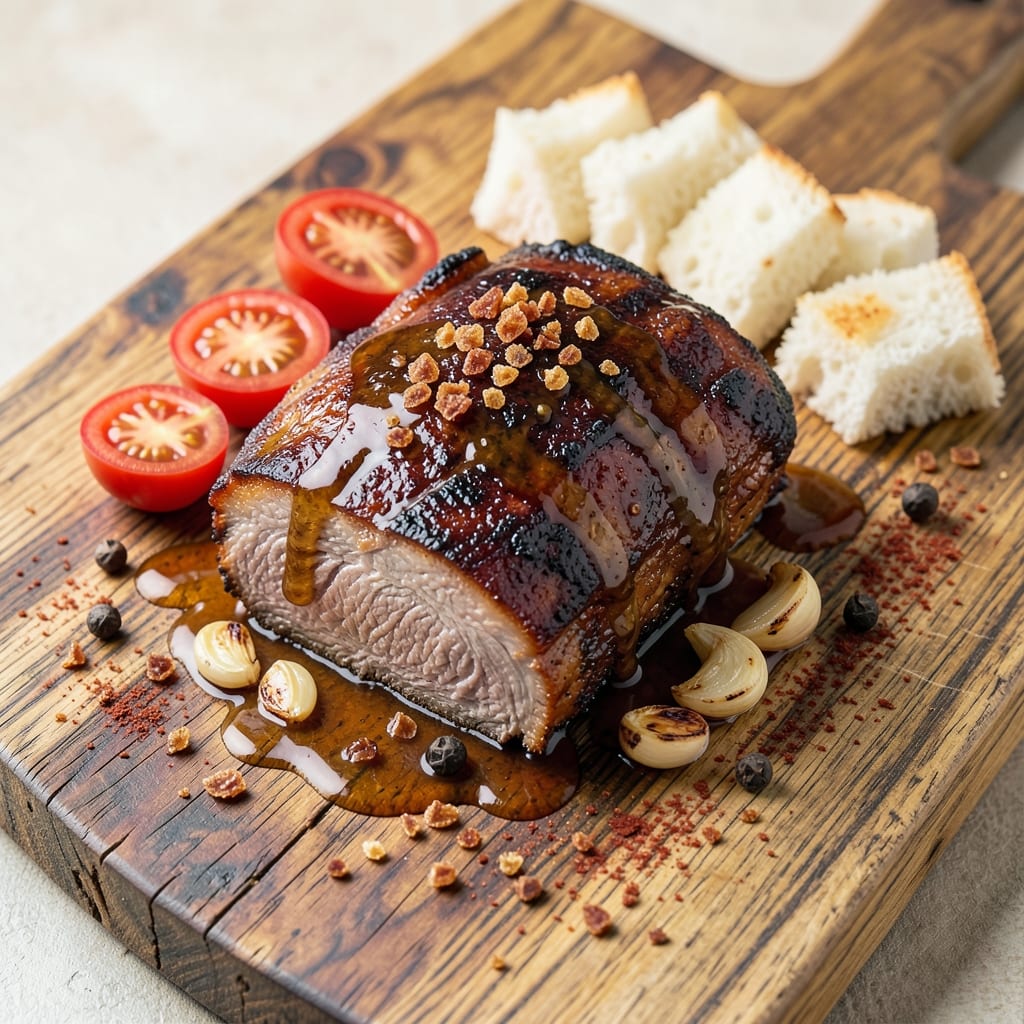
This BBQ boneless pork sirloin roast delivers restaurant-quality results with a perfect balance of smoky bark and juicy pink magic—no competition-level smoker required. 🔥 I developed this recipe after years of perfecting the art of tenderizing tough cuts while building that coveted crust, and it's the one I reach for when I need a showstopper that still feels approachable. The secret lies in a two-stage seasoning process that transforms the meat's exterior into a flavor bomb while keeping the interior impossibly tender.
The beauty of this recipe is its versatility—whether you're using your oven, grill, or even a cast-iron skillet, the technique remains the same. We'll focus on achieving that perfect internal temperature of 145°F while creating a crust that's crisp enough to stand up to a fork. The marinade (optional but recommended) works overnight to break down fibers, while the dry rub forms that irresistible bark during the final cook. This isn't just another pork roast—it's a game-changer for weeknight dinners that feel like you've been smoking meat for hours.
By the time you slice into this roast, you'll be rewarded with shatteringly crisp edges that give way to tender, juicy meat that practically melts in your mouth. The bark will be perfectly balanced—smoky from the seasoning, slightly charred from the heat, but never burnt. This is the kind of dish that makes people ask where you learned to cook like this, and the best part? It's foolproof once you know the key techniques. The resting time is crucial here, too—those 15 minutes before slicing ensure every bite stays juicy, not a single drop of moisture lost to the plate.
Serve this masterpiece with classic BBQ sides like creamy coleslaw or roasted sweet potatoes to soak up every last drop of that smoky, savory juices. The leftovers? Even better the next day, as the flavors continue to meld and deepen. This isn't just pork—it's a professional-level centerpiece that proves you don't need fancy equipment to create showstopping results. Let's get cooking—your taste buds are about to thank you.
Ingredients for bbq boneless pork sirloin roast
Six ingredients transform simple pork into restaurant-quality smoky perfection you'll crave for weeks.
| Ingredient | Amount | Notes |
|---|---|---|
| Boneless Pork Sirloin Roast 🥓 | 3 lb | Center-cut for even cooking |
| Brown Sugar 🍚 | ¼ cup | Light or dark variety |
| Smoked Paprika 🌶️ | 2 tbsp | For deep smoky flavor |
| Garlic Powder 🧄 | 1 tbsp | Freshly ground preferred |
| Kosher Salt 🧂 | 1 ½ tsp | Diamond Crystal preferred |
| Ground Black Pepper 🌶️ | 1 tsp | Freshly cracked for best flavor |
| Apple Cider Vinegar 🍎 | ½ cup | For basting and moisture |
| Unsalted Butter 🧈 | ¼ cup | Cold for basting |
| Yellow Onion 🧅 | 1 whole | Sliced for garnish |
| Fresh Rosemary 🌿 | ¼ cup | Chopped sprigs for aroma |
| Fresh Thyme 🌿 | ¼ cup | Leaves only for brightness |
The pork cut matters most—boneless sirloin roast (not shoulder or butt) delivers that perfect balance of tenderness and fat for juicy results. Costco or Whole Foods carry excellent center-cut roasts, but any butcher can trim one for you. Look for good marbling—those little white flecks of fat are what keep the meat moist during cooking. I always ask for the roast to be trimmed of excess fat; you want just enough to render flavor without grease splatter. For a 3-pound roast, plan on about 15-20 minutes per pound at 325°F—this low-and-slow approach is key to that juicy pink center everyone raves about.
No smoked paprika? Regular paprika plus a pinch of liquid smoke works in a pinch, though the flavor won't be identical. Fresh herbs wilt fast, so dried thyme at one-third the amount is a solid swap—just toast it first in a dry pan for 30 seconds to wake up the flavor. The apple cider vinegar is non-negotiable for basting; white vinegar or lemon juice won't give the same depth of flavor. For the butter, European-style (like Plugrá) has higher fat content and melts beautifully. If you're short on time, skip the fresh herbs entirely—the spices alone still deliver amazing flavor, they'll just lack that bright herbal note.
This roast tastes even better the next day, so make extra if you're feeding a crowd. Wrap tightly in foil and refrigerate for up to 4 days, or freeze portions for 3 months. For reheating, low oven (275°F) with a splash of water in the pan keeps it moist. I always portion mine into individual servings before freezing—just pop in the oven straight from frozen. The crust gets slightly softer when reheated, but the meat stays juicy. Leftovers make incredible sandwiches the next day; just add a little extra vinegar to the juices when reheating for that tangy kick.
Why You'll Love This Recipe
- Five-Ingredient Magic: I swear by this combo—just the roast, brown sugar, smoked paprika, garlic powder, and salt. That’s it. No fancy marinades or last-minute shopping runs. The paprika gives it this deep, smoky backbone while the brown sugar caramelizes into something almost sticky-sweet when it roasts.
- Crispy-Caramel Edge: Between us, the best part is that crispy, caramelized crust on the outside. The brown sugar turns into a glossy glaze that cracks like glass when you slice it, and underneath? Still tender enough to melt. Honestly, I’ve made this for potlucks where people actually asked for the recipe on a napkin.
- Weeknight to Dinner Party: This cuts through the "what’s for dinner?" paralysis. Toss it in the oven while you chop veggies, and boom—main course solved. (Yes, even on a Tuesday night.) But here’s the twist: it’s also my go-to for game days or when company drops by. Serve it with pickles and buttery rolls, and suddenly you’re hosting.
- Leftovers That Don’t Suck: I make this intentionally big—because the second batch is just as good. Cold slices on sandwiches? Heaven. Thinly shredded for tacos the next day? Even better. And because it’s pork, it reheats like a dream (unlike some dry chicken leftovers I won’t name). Budget-friendly, too—one roast feeds my family for days.
Step-by-step instructions for BBQ boneless pork sirloin roast
This method delivers melt-in-your-mouth tenderness with that perfect smoky bark—no shortcuts, just pure flavor.
👨🍳 Step 1: Create the Dry Rub and Prep the Roast
In a small bowl, combine the 0.25 cup brown sugar, 2 tbsp smoked paprika, 1 tbsp garlic powder, 1.5 tsp kosher salt, and 1 tsp ground black pepper. Mix thoroughly until the sugar crystals are completely coated in the spices. This dry rub is your flavor foundation—don't skip blending it well.
Pat the 3 lb boneless pork sirloin roast completely dry with paper towels. Moisture is the enemy of crispy bark, so take your time here. Once dry, rub the mixture all over the roast, pressing it into the meat so it sticks. Let it sit at room temperature for 30 minutes—this helps the seasoning penetrate and the meat cook more evenly.
🔥 Step 2: Sear for Maximum Flavor and Color
Preheat your oven to 325°F. Heat a large oven-safe skillet over medium-high heat and add 0.25 cup cold unsalted butter. Once the butter foams, place the roast in the skillet and sear for 4-5 minutes per side until deeply golden brown. This step creates that irresistible crust while locking in juices.
Here's the thing—don't move the roast around while searing. Let it develop that beautiful crust undisturbed. If it sticks, gently lift with a spatula and let it cook another minute. Transfer the skillet to the preheated oven and roast for 1 hour. This initial sear sets up the perfect foundation for the BBQ magic to come.
🍳 Step 3: Build the BBQ Basting Sauce
While the roast cooks, make the basting sauce by combining the 0.5 cup apple cider vinegar, 0.25 cup chopped fresh rosemary, and 0.25 cup fresh thyme leaves in a small saucepan. Bring to a simmer over medium heat for 5 minutes until the flavors meld. Strain out the herbs and keep the liquid warm.
After the initial 1 hour of roasting, remove the pork from the oven and tent loosely with foil. Brush all sides generously with the warm vinegar-herb mixture. This basting adds moisture and deepens the smoky flavor. Return the roast to the oven and continue cooking for another 1-1.5 hours until the internal temperature reaches 195-200°F and a meat thermometer slides in like butter.
🥘 Step 4: Rest and Slice for Juicy Perfection
Transfer the roast to a cutting board and let it rest for at least 20 minutes before slicing. This resting period is CRITICAL—it allows the juices to redistribute throughout the meat instead of pooling on your plate. While it rests, slice the 1 whole yellow onion into thin rounds for garnish.
Slice the roast against the grain into ½-inch thick portions. The meat should be fork-tender with just a hint of pink in the center—this is the "juicy pink magic" we're after. Arrange the slices on a platter, top with onion slices, and serve immediately with any accumulated pan juices spooned over the top. Each bite should be tender, flavorful, and dripping with that perfect balance of smoky-sweet goodness.
Pro Tips For Making Bbq Boneless Pork Sirloin Roast
- SEAR FIRST, BAKE LATER: Hit that pork roast with a screaming-hot pan for 2-3 minutes per side before moving it to the oven—this locks in juices and builds a crust that turns your dry rub (smoked paprika + garlic powder) into something magical. I used to skip this, and the meat always felt bland and underwhelming. ---
- SALT THE MEAT TWICE: Slather kosher salt on the pork before the dry rub, then add another layer after searing. The first salt gets absorbed into the meat, while the second layer sticks to the crust for maximum flavor. Yes, it sounds excessive, but your taste buds will notice the difference. ---
- DON’T POKING THE MEAT: Resist the urge to check doneness with a fork or meat thermometer until the very end—every time you stab it, you’re pushing out juices. Wait until the internal temp hits 145°F (or your preferred doneness) before cutting, or you’ll end up with a dry, sad roast. ---
- BRUSH WITH BROWN SUGAR WATER: Mix 1 tablespoon brown sugar with 2 tablespoons water, then brush it over the pork halfway through cooking. The sugar caramelizes, adding a glossy sheen and a subtle sweetness that cuts through the smokiness. It’s the easiest way to upgrade this recipe without extra effort.
Storing and reheating this bbq boneless pork sirloin roast
Refrigerator Storage
Let your BBQ pork roast cool for no more than 1 hour before storing—this prevents bacterial growth while keeping the meat safe. Transfer to an airtight container (I love Glasslock containers) and refrigerate for up to 4 days. The flavors actually deepen overnight as the spices meld, making leftovers even more delicious. 🥓
Freezer Storage
For longer storage, wrap individual portions tightly in plastic wrap before placing them in a freezer bag—this prevents freezer burn and keeps the meat moist. Label with the date and freeze for up to 3 months. I always portion into 1-2 serving sizes so you can thaw just what you need. When reheating, add a splash of apple cider vinegar to the juices for that tangy kick. ❄️
Oven Reheating
My preferred method is reheating in a 275°F oven to preserve moisture. Place slices on a baking sheet, drizzle with pan juices, cover loosely with foil, and heat for 15-20 minutes until reaching 165°F. The crust softens slightly but stays flavorful. For extra tenderness, add 1 tbsp water or vinegar to the pan before reheating. 🔥
Microwave Reheating
For quick reheating, use the microwave on 50% power in 1-minute intervals, stirring between each. Cover with a damp paper towel to retain moisture. This method works best for small portions—overheating larger pieces can dry out the meat. Always check the internal temperature to ensure it reaches 165°F.
Grill Reheating
If you have outdoor space, reheat slices on a clean grill over medium heat for 3-5 minutes per side, brushing with extra basting sauce for moisture. The grill adds a smoky flavor that mimics the original cook. Just be careful not to overcook—pork reheats quickly. 🌶️
Serving Leftovers
Leftovers make incredible sandwiches, tacos, or even a hearty breakfast hash. Store any unused portions in the fridge for up to 3 more days or freeze for later. The meat stays juicy and flavorful, making it perfect for meal prep. Trust me, your future self will thank you for making extras! 💪
Nutrition facts
Frequently asked questions
Can I use this recipe with a different pork cut?
This recipe is specifically designed for boneless pork sirloin roast because of its ideal fat-to-lean ratio. For other cuts like pork shoulder or loin, you'll need to adjust cooking times and temperatures. Shoulder benefits from longer, slower cooking (3-4 hours at 275°F), while loin cooks faster (20-30 minutes at 375°F). The bark technique works best on sirloin's leaner surface.
What's the secret to getting that perfect smoky bark?
The bark comes from three key steps: drying the meat thoroughly before seasoning, searing in butter until deeply golden, and cooking low-and-slow at 325°F. The smoked paprika provides the smoky base, while the brown sugar caramelizes during cooking. Never skip the 30-minute room temp rest before cooking—it helps the seasoning adhere better.
Is it safe to eat pork with a hint of pink?
Yes! When properly cooked to 145°F internal temperature (with a 3-minute rest time), pork can safely have a pink center. The USDA considers pork safe at this temperature, and the acidity from apple cider vinegar helps tenderize while maintaining safety. This is why we aim for 195-200°F—it gives that perfect balance of doneness and juiciness.
Can I make this recipe on a grill instead of oven?
Preheat your grill to medium heat (350°F) and follow the same searing technique. After searing, move to indirect heat and cook for 1.5-2 hours, basting with your vinegar-herb mixture every 30 minutes. Use a meat thermometer to check doneness—grill cooking is less predictable than oven. The bark will be even more pronounced from the grill's char.
What if my roast comes out dry?
Dry pork usually means it cooked too long at too high a temperature. The fix? Lower the heat (300°F max) and increase cooking time slightly while monitoring closely. Always use a meat thermometer—pork is safe at 145°F. For future attempts, try brining the roast for 1 hour in a saltwater solution (1 cup salt per gallon of water) before cooking to improve moisture retention.