
Main Courses
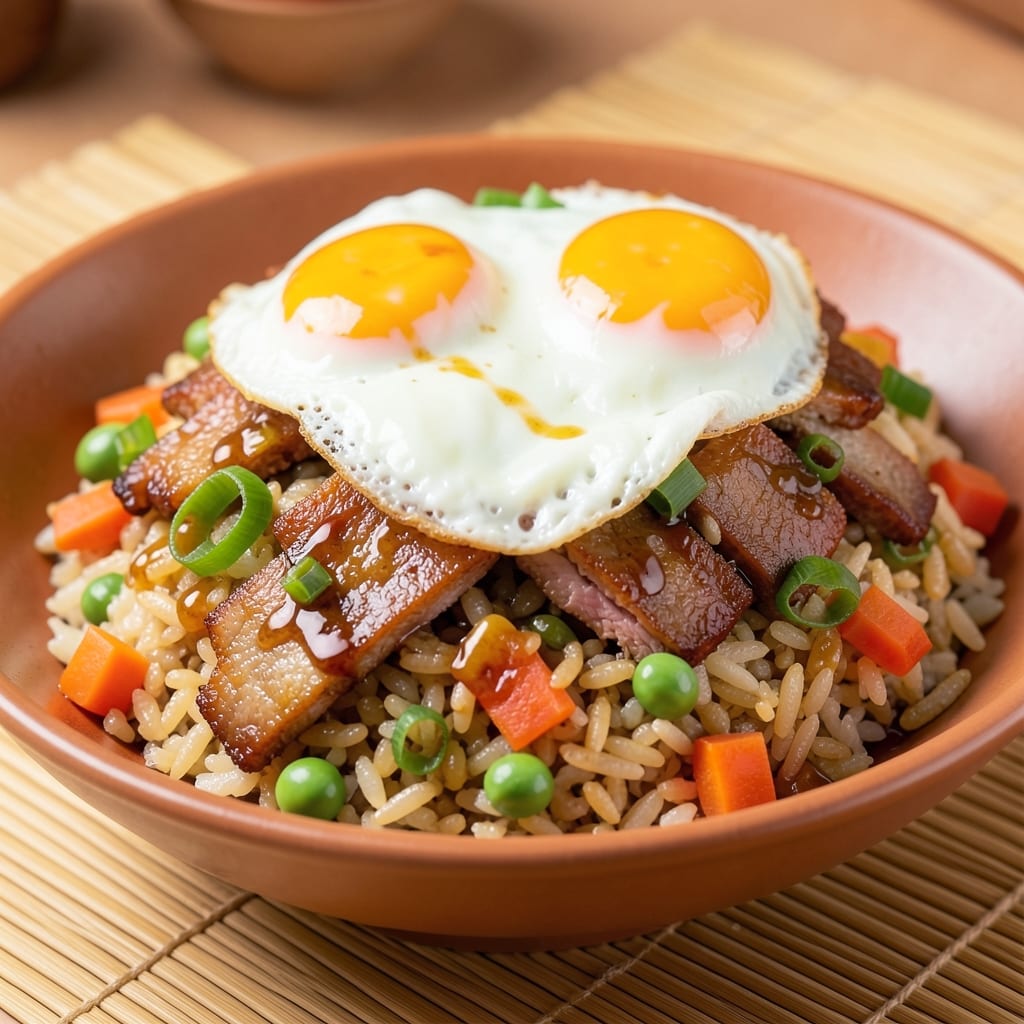
This Chinese-style BBQ pork fried rice recipe transforms day-old rice into a flavor bomb that balances smoky, sweet char siu with crisp-tender vegetables and perfectly scrambled eggs. The secret lies in high-heat stir-frying—achieving that signature wok hei—where the aromatics sizzle and the pork stays juicy despite its crisp edges. I first mastered this dish during a weeknight scramble when I had leftover rice and a package of store-bought char siu, and it became an instant family favorite.
The magic happens in layers: first, the pork gets sliced thin and seared until caramelized, then set aside while the aromatics—garlic, ginger, and scallions—build the foundation in the wok. Day-old rice (never fresh!) gets tossed in last, absorbing the smoky-sweet BBQ sauce and eggy richness. The texture is what makes this dish special—crispy pork, chewy rice, and silky scrambled eggs all in one bite. This isn't just fried rice; it's a restaurant-quality comfort food that comes together in one pan with minimal cleanup.
What sets this recipe apart is the balance of flavors: the smoky depth of char siu, the natural sweetness of peas and carrots, and the umami punch from the eggs. The high-heat stir-fry technique ensures the rice stays separate and slightly crisp at the edges, while the eggs add a creamy contrast. Whether you're feeding a crowd or meal prepping for the week, this dish delivers bold, authentic Chinese flavors without requiring specialized equipment.
For those looking to adapt, swap the char siu for bacon or spicy chorizo, or add a dash of chili oil for a Sichuan twist. The possibilities are endless, but the core technique—high heat, quick cooking—remains the same. Let's get cooking!
Ingredients for bbq pork fried rice recipe chinese
Four servings of smoky-sweet fried rice with crisp pork and silky eggs—just eight essential ingredients.
| Ingredient | Amount | Notes |
|---|---|---|
| Day-Old Jasmine Rice 🍚 | 3 cups | Cold, uncooked, long-grain preferred |
| Store-Bought Char Siu 🥩 | 1 lb | Thinly sliced, store-bought or homemade |
| Large Eggs 🥚 | 3 whole | Fresh, cold, for perfect scrambling |
| Peas 🌿 | 1 cup | Frozen or fresh, thawed if frozen |
| Carrots 🥕 | 1 cup | Diced small, uniform pieces |
| Green Onions 🧅 | 4 whole | White and green parts separated |
| Garlic Cloves 🧄 | 6 cloves | Minced fine for aromatic base |
| Fresh Ginger 🌿 | 1 ½ tbsp | Grated fine, aromatic intensity |
| Soy Sauce 🥄 | 2 tbsp | Light or dark, to taste |
| Oyster Sauce 🍶 | 1 ½ tbsp | For umami depth |
| Sesame Oil 🫒 | 1 tbsp | Toasted, for finishing |
| Vegetable Oil 🫒 | 2 tbsp | High smoke point for stir-frying |
| Salt 🧂 | ½ tsp | Diamond Crystal preferred |
| Black Pepper 🌶️ | ¼ tsp | Freshly ground for heat |
The char siu is non-negotiable for authentic flavor—look for packages labeled 'Chinese BBQ pork' at Asian markets or the international aisle of Whole Foods. If using homemade, slice it thinly against the grain to ensure tenderness. Jasmine rice is ideal for its fragrant, slightly sticky texture, but use whatever you have. The fresh ginger and garlic should be vibrant and aromatic; if they smell stale, replace them. For the green onions, separate the white and green parts—white adds depth, green provides freshness.
No char siu? Bacon or spicy chorizo works in a pinch—just reduce the cooking time to avoid over-browning. Swap the peas and carrots for whatever veggies you have: bell peppers, snap peas, or even corn. The soy sauce can be replaced with coconut aminos for a gluten-free option, though the flavor will differ slightly. Oyster sauce is key for umami; if unavailable, a mix of hoisin and a splash of fish sauce mimics its depth. For the sesame oil, use sparingly—it’s for finishing, not cooking.
Store leftover rice in an airtight container for up to 3 days, though it reheats best within 24 hours. The char siu can be pre-cooked and stored separately for up to 5 days in the fridge. For meal prep, divide the fried rice into portions and refrigerate—reheat in a skillet with a splash of water to restore crispiness. The sesame oil should be added fresh when reheating to preserve its toasted aroma. Freeze extras in single-serving portions for up to 3 months.
Why You'll Love This Recipe
- Minimal Chopping Required: I swear by this trick—just dice the carrots into tiny cubes and toss in the peas whole. The char siu? Already sliced and ready to go. My hands stay clean while the wok gets all the action.
- Sweet-Savory Magic: That store-bought char siu isn’t just filling—it’s packed with smoky-sweet depth that turns plain rice into something ridiculously good. One bite and you’ll understand why I keep a pack in the freezer.
- Lunchbox Hero: Between us, this is my go-to for packed lunches. The day-old rice stays firm, the eggs add protein, and the peas keep it bright. Cold or reheated, it’s the meal that actually gets eaten by 2 PM.
- Budget-Friendly Powerhouse: Jasmine rice, eggs, and frozen peas? Check. Char siu on sale? Double check. I’ve fed four people for under $10 with this—leftovers? Even better. It’s the kind of dish that makes grocery day feel like a win.
Step-by-step instructions for Chinese-style BBQ pork fried rice
Master this one-pan technique for restaurant-quality fried rice every time.
Prep All Ingredients for Perfect Texture
Start by dicing the 1 cup carrots into small, uniform pieces—about ¼-inch cubes. This ensures even cooking and consistent texture throughout the dish. Next, separate the 4 whole green onions into white and green parts. The whites will cook into the rice, while the greens will be added at the end for freshness.
Mince the 6 cloves garlic and grate the 1.5 tbsp fresh ginger finely. Both aromatics should be as small as possible to release their flavors without becoming bitter. If using frozen peas, thaw them completely—any ice crystals will make the rice soggy. Have all ingredients measured and ready before starting; this is a fast-moving dish where timing matters.
Scramble the Eggs for Creamy Texture
Heat 1 tablespoon vegetable oil in a 14-inch wok or large skillet over medium-high heat until shimmering. Crack the 3 whole large eggs into a bowl, add ¼ tsp salt and ¼ of the black pepper, then whisk vigorously. Pour the eggs into the hot oil and let them sit undisturbed for 5-7 seconds before gently pushing them around with a spatula.
Cook until the eggs are soft but set—just slightly runny in the center. Remove them from the wok and set aside. The residual heat will continue cooking them slightly, so don't overcook. These eggs will add richness and creaminess to the fried rice, so perfect texture is crucial.
Stir-Fry Aromatics and Char Siu
Add the remaining 1 tablespoon vegetable oil to the same wok and increase heat to high. Add the minced garlic and ginger, stirring constantly for 20-30 seconds until fragrant but not browned. This quick cooking preserves their bright flavors.
Add the 1 lb store-bought char siu, breaking it into bite-sized pieces as it cooks. Stir-fry for 1-2 minutes until heated through and slightly caramelized. The char siu's sweet-savory flavor will infuse the rice as it cooks. Remove the char siu and set aside with the eggs.
Cook the Vegetables and Rice
Add the diced carrots and peas to the wok, spreading them evenly. Stir-fry for 1-2 minutes until the carrots begin to soften but still retain a slight crunch. Push the vegetables to one side of the wok and add the 3 cups day-old jasmine rice, breaking up any large clumps with your spatula.
Stir-fry the rice for 1-2 minutes, letting it absorb the flavors from the vegetables. This step is critical—you're not cooking the rice from scratch, but you want to ensure it's evenly heated and coated with the aromatics. If the rice appears dry, add 1-2 tablespoons water and stir to release steam.
Combine and Season to Perfection
Return the char siu and eggs to the wok. Add the 2 tbsp soy sauce, 1.5 tbsp oyster sauce, and the white parts of the 4 green onions. Stir everything together vigorously for 1-2 minutes until the rice is heated through and the sauce is evenly distributed.
Taste and adjust seasoning—you may need a touch more soy sauce for saltiness or a splash of water if the rice is too dry. Remove from heat, drizzle with 1 tbsp sesame oil, and toss gently. Garnish with the green onion tops and serve immediately while hot. The rice should be fragrant, slightly crispy on the edges, and packed with layers of savory, umami, and sweet flavors.
Pro Tips For Making Bbq Pork Fried Rice Recipe Chinese
- CHOP CHAR SIU SMALL: I used to leave the store-bought char siu in big chunks, thinking it’d soften in the stir-fry—it didn’t. Dice it into ½-inch pieces before cooking. The smaller the bits, the faster they crisp and soak up the wok hei, giving you that smoky-sweet bite in every forkful.
- STIR-FRY PEAS FIRST: Peas stay mushy if you toss them in last. Start by frying them alone in the wok for 30 seconds on high heat—just until they blister slightly. Then add carrots and char siu. This keeps their texture bright and slightly charred, not sad and limp.
- USE COLD RICE: Day-old rice is non-negotiable, but cold rice sticks together like glue. Spread the rice on a tray and refrigerate for 10 minutes after taking it out of the fridge. This dries the surface just enough to prevent clumping when you stir-fry.
- SCRAMBLE EGGS SEPARATELY: I was skeptical until I tried it—scrambling the eggs in a small bowl with a splash of water (or soy sauce) before folding them into the rice at the end. The eggs stay fluffy and distinct, not turning into a greasy paste. Add them last, just until set.
Creative variations of bbq pork fried rice recipe chinese
Spicy Sichuan Twist
Transform your fried rice into a fiery Sichuan masterpiece by adding 1 tbsp chili oil and 1 tsp Sichuan peppercorns (lightly toasted and ground) to the wok after removing the char siu. The numbing-spicy kick from Sichuan peppercorns pairs perfectly with the smoky pork. I like to add ½ cup diced bell peppers for extra color and a hint of sweetness to balance the heat. Serve with extra chili oil on the side for those who love it spicy. 🌶️
Vegetarian Char Siu
Skip the pork entirely and use 1 lb store-bought or homemade vegetarian char siu made with mushrooms, tofu, or seitan. Brands like Lightlife or Impossible Foods offer great plant-based options. For homemade, marinate extra-firm tofu in a mix of 2 tbsp hoisin sauce, 1 tbsp soy sauce, 1 tbsp maple syrup, and 1 tsp five-spice powder, then pan-fry until caramelized. The texture mimics pork beautifully!
Breakfast Fusion
Turn this into a hearty breakfast by adding ½ cup cooked bacon or chorizo and replacing the peas with ¼ cup diced ham. Scramble an extra egg into the mix and top with a fried egg on each serving. The smoky, salty flavors create a perfect breakfast-for-dinner dish. I love serving this with a side of hot sauce or sriracha for extra zing. 🍳
Korean-Inspired Kimchi
Add ½ cup chopped kimchi to the wok when stir-frying the vegetables. The tangy, fermented flavor cuts through the richness of the pork and eggs beautifully. For extra depth, add 1 tsp gochujang (Korean chili paste) to the sauce mixture. This fusion brings a bold, spicy-sweet contrast that my family goes crazy for. Pair it with a side of steamed greens to balance the richness.
Protein Swaps
No char siu? No problem! Swap it for 1 lb cooked shredded chicken (seasoned with 1 tsp five-spice powder and a pinch of sugar), 1 lb shrimp (tossed in 1 tbsp soy sauce and ½ tsp black pepper), or even 1 lb crispy baked tofu (marinated in 1 tbsp soy sauce and 1 tsp sesame oil). Each protein brings a unique texture and flavor profile to the dish, keeping it exciting for leftovers. 💡
Sweet and Sticky
For a dessert-like twist, stir in 2 tbsp honey or maple syrup along with the soy and oyster sauces. Add ½ cup diced pineapple or mandarin orange segments for a tropical touch. This version is a hit with kids and makes a fantastic brunch dish. Garnish with toasted sesame seeds and extra green onions for a pop of color and crunch.
Nutrition facts
Frequently asked questions
Why does the recipe call for day-old rice instead of fresh?
Day-old rice is essential because its dry texture prevents sogginess when stir-fried. Freshly cooked rice releases too much moisture, turning your fried rice into a mushy mess. The slight dryness also helps the rice absorb all those delicious BBQ pork and sauce flavors. If you only have fresh rice, spread it on a tray and refrigerate for at least 2 hours before using.
Can I make this with regular white rice instead of jasmine?
While jasmine rice adds that fragrant aroma, long-grain white rice works perfectly fine. The key is using day-old rice regardless of the variety. For extra flavor, try basmati rice or even brown rice (though it may need slightly more water during stir-frying). The texture difference is minimal—focus on getting that perfect crisp-tender bite from the stir-fry technique.
What's the best way to reheat leftovers without drying them out?
Spread cold fried rice on a skillet over medium-low heat and add 1-2 tablespoons water per serving. Cover with a lid and let it steam for 2-3 minutes, stirring occasionally. Finish with a drizzle of sesame oil to restore that fresh aroma. Microwaving works too—just add 1 tablespoon water and cover for 45 seconds at 50% power.
How do I adjust this recipe for spicier heat lovers?
Add 1 teaspoon chili crisp or ½ teaspoon red pepper flakes when stir-frying the aromatics. For extra depth, mix 1 tablespoon gochujang with the soy and oyster sauces. If you love Sichuan flavors, add ½ teaspoon Sichuan peppercorns (toasted and ground) for that signature numbing heat. Always taste as you go—you can't overdo it with spices in fried rice!
What's the secret to getting that restaurant-style wok hei?
Wok hei ("breath of the wok") comes from high heat and proper technique. Use a 14-inch wok or skillet on maximum heat until it's smoking slightly before adding oil. Keep ingredients moving constantly—this creates steam that carries flavors. Cook in small batches if needed, and never overcrowd the pan. A gas stove works best, but electric works too if you preheat thoroughly.