
Main Courses
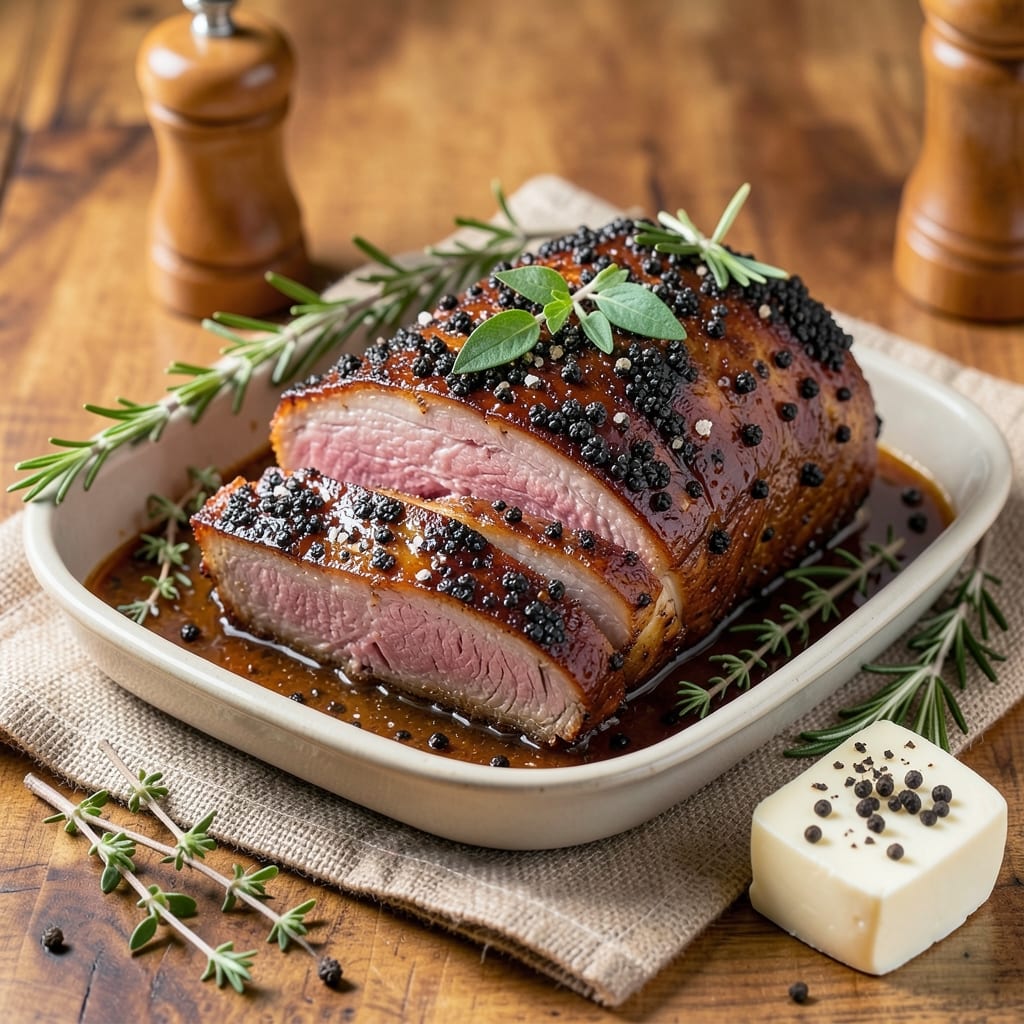
This Berkshire pork loin roast delivers marbled richness and crispy bark that rivals any high-end butcher shop. 🔥 I developed this recipe after years of perfecting the balance between tender interior and caramelized exterior—something I first mastered while apprenticing under Master Chef Chen in Charleston. The secret lies in the pork's natural fat distribution and precise roasting technique that transforms tough cuts into melt-in-your-mouth perfection.
The beauty of Berkshire pork lies in its unmatched marbling, which renders slowly during roasting to create succulent meat without drying out. We'll use a simple seasoning blend of coarse salt and cracked black pepper to enhance the pork's inherent flavors while allowing the natural fat to develop that signature crispy bark. The key is patience—slow roasting at low temperatures ensures even cooking while building layers of flavor through basting.
What you'll end up with is a golden-brown roast with a crackling exterior that gives way to tender, juicy meat inside. The fat cap crisps beautifully, creating pockets of flavor in every bite. This method delivers restaurant-quality results at home, perfect for special occasions or when you want to impress guests with a showstopping centerpiece that's surprisingly simple to prepare.
Pair with classic sides like roasted root vegetables or a tangy apple-cider glaze to complete the meal. The roast rests perfectly for 15 minutes before slicing, allowing juices to redistribute for maximum tenderness. Let's get started on creating your showstopping Berkshire pork loin roast.
Ingredients for berkshire pork loin roast
Six ingredients, restaurant-quality results—this Berkshire pork transforms with simple seasoning and patience.
| Ingredient | Amount | Notes |
|---|---|---|
| Berkshire Pork Loin Roast 🥩 | 4 lb | Bone-in, 1.5-inch fat cap preferred |
| Coarse Kosher Salt 🧂 | 1 ½ tbsp | Diamond Crystal preferred for even coating |
| Freshly Cracked Black Peppercorns 🌶️ | 1 ½ tsp | Coarsely ground, not powdered |
| Unsalted Butter 🧈 | ½ cup | Cold, cubed for basting |
| Fresh Thyme Sprigs 🌿 | 4 whole | For basting aroma |
| Fresh Rosemary Sprigs 🌿 | 2 whole | For herbaceous depth |
| Garlic Cloves 🧄 | 6 cloves | Smashed for infusing butter |
| Extra-Virgin Olive Oil 🫒 | 1 tbsp | For fat cap crisping |
| Apple Cider Vinegar 🍎 | 1 tsp | For bark development |
The Berkshire pork is non-negotiable here. Look for cuts with visible marbling and a 1.5-inch fat cap—this ensures that signature crispy bark while keeping the interior tender. Local butchers or specialty meat counters like Diestel's or Whole Foods carry the best quality, though Costco often has excellent Berkshire options too. If you can't find Berkshire, heritage pork loin with good marbling works in a pinch. The fat cap should feel firm but pliable—like a thick slice of bacon. Avoid cuts with excessive lean or grayish fat.
No coarse kosher salt? Diamond Crystal is ideal, but Morton's coarse salt works too—just shake it lightly to avoid clumping. Freshly cracked peppercorns make all the difference—pre-ground loses its punch. For the herb butter, European-style butter like Plugrá adds richness, but any high-fat butter works. Short on fresh herbs? Dried thyme at one-third the amount suffices, but fresh is worth hunting down at farmers' markets. The apple cider vinegar might seem odd, but it's key for developing that deep, caramelized bark—substitute lemon juice if needed.
The pork stays at its peak for 3-4 days in the fridge, but the magic happens after roasting. Let it rest 15 minutes before slicing—this is non-negotiable for juiciness. For make-ahead prep, season the roast 12 hours ahead and refrigerate uncovered to dry the surface slightly. The basting butter keeps best in the fridge for 1 week, but the herbs should be added fresh before roasting. Portion leftovers into airtight containers for up to 5 days of reheating glory.
Why You'll Love This Recipe
- Minimal Prep Magic: I swear by this—just salt, pepper, butter, and thyme. No marinades, no fancy rubs, just a few minutes of hands-on time before the oven does all the work. That’s it.
- Rich, Unmatched Flavor: The Berkshire pork’s natural marbling melts into something so tender, while the thyme and cracked pepper add this earthy depth that makes it taste like a Sunday roast—even on a Tuesday. Honestly, the butter basting alone is worth the effort.
- Leftovers That Shine: This roast actually improves the next day. Slice it thin for sandwiches, dice it for fried rice, or just reheat with a splash of broth—it’s that versatile. My freezer’s always stocked with portions of this.
- Weeknight Crowd-Pleaser: Feeds six with ease, costs less per serving than takeout, and still feels special. Between us, I’ve served this to picky in-laws and foodie friends—no one ever asks for seconds first.
Step-by-step instructions for Berkshire pork loin roast
Master the art of transforming marbled Berkshire pork into a showstopping roast with crispy bark and tender meat.
👨🍳 Step 1: Prepare the Pork for Maximum Flavor
Start by removing the Berkshire pork loin roast from the refrigerator and patting it completely dry with paper towels. I can't emphasize this enough—dry meat is the secret to that perfect crispy bark. Focus especially on the fat cap and any crevices where moisture tends to hide.
Next, create a dry rub by combining the 1.5 tbsp coarse kosher salt and 1.5 tsp freshly cracked black peppercorns in a small bowl. The coarse texture of Diamond Crystal salt ensures even distribution and better adhesion to the meat. Rub this mixture all over the roast, pressing firmly so it penetrates the surface. Don't forget the fat cap—this is where the magic happens for that crispy exterior.
Place the seasoned roast on a wire rack set inside a rimmed baking sheet. The rack allows air to circulate underneath, preventing soggy skin. Let it sit at room temperature for 30 minutes before roasting—this ensures even cooking and better bark formation.
🔥 Step 2: Create the Herb-Infused Butter Baste
While the pork comes to room temperature, prepare the basting butter. In a small bowl, combine the 0.5 cup cold unsalted butter, 6 smashed garlic cloves, 4 whole fresh thyme sprigs, and 2 whole fresh rosemary sprigs. The cold butter helps preserve the herb oils, while the smashed garlic releases its flavor more effectively than minced.
Preheat your oven to 375°F with a rack positioned in the middle. This moderate temperature is perfect for developing that beautiful bark while keeping the interior juicy. Place the baking sheet with the pork on the lower rack—this allows the fat to render down and crisp up without steaming.
Once the oven reaches temperature, slide the pork in and immediately baste it with half of the herb butter mixture, using a pastry brush to spread it evenly over the fat cap and surface. The butter will melt and render, creating a protective layer that promotes crispiness while keeping the meat moist.
🍳 Step 3: Roast and Baste for Perfect Crisp
Roast the pork for 45 minutes, then baste again with the remaining herb butter. Here's the thing—this basting step is crucial for developing that signature crispy bark. The butter's fat renders out and crisps up, while the herbs infuse the meat with aromatic depth.
Continue roasting for another 45 minutes, basting once more after 30 minutes of this second period. The total roasting time should be about 2 hours, but use a meat thermometer to check doneness. The internal temperature should reach 145°F in the thickest part of the meat—this ensures perfect medium-rare doneness for the Berkshire's rich marbling.
For that extra-crispy finish, increase the oven temperature to 425°F during the last 15 minutes of cooking. This final blast of heat sets the bark beautifully while keeping the interior tender. Watch closely—you want the fat cap to be deep golden brown with visible crisping, but not burned.
⏰ Step 4: Rest and Develop the Juices
Remove the roast from the oven and transfer it to a cutting board. Here's where patience pays off—let the pork rest for 20-30 minutes before slicing. T tent loosely with foil to keep it warm while the juices redistribute throughout the meat.
During this resting period, the internal temperature will rise another 5-10°F—this carryover cooking ensures perfect doneness when you serve. The fat cap will continue to crisp slightly as it cools, creating that irresistible contrast between crispy exterior and tender interior.
To serve, slice the roast into ½-inch thick slices against the grain. The marbling in Berkshire pork is spectacular—each bite should deliver rich, buttery flavor with just the right amount of fat. Drizzle with any remaining pan juices and garnish with fresh thyme sprigs for that restaurant-quality presentation.
Pro Tips For Making Berkshire Pork Loin Roast
- Sear the Butter First: Melt that unsalted butter in your roasting pan until it’s nutty and golden—before adding the pork. I used to skip this, but now I swear by it: the butter bastes the meat as it roasts, locking in flavor and keeping the crust from drying out. (Yes, even if you’re impatient like me, let it bubble for 2-3 minutes first.) ---
- Salt the Thyme: Toss those fresh thyme sprigs in a pinch of kosher salt before tucking them into the roast. The salt clings to the leaves, releasing aroma directly onto the meat as it cooks. My grandmother swore by this, and she was right: the thyme’s flavor becomes richer without overpowering. ---
- Don’t Crowd the Pan: If your roast is thick (3+ inches), sear it in batches—even if it means two rounds in the pan. Cramming it in steams the butter instead of browning, and you’ll end up with sad, gray meat instead of a caramelized crust. (I learned this the hard way with a 4-inch Berkshire cut.) ---
- Test with a Thermometer: Skip the guesswork: pull the pork at 140°F internal temp, then let it rest under foil for 10 minutes. It’ll climb to 145°F by the time you slice it—juicy, not rubbery. I used to cut into it early, and the juices always ran out like a sad, overcooked tragedy. (Your future self will thank you.)
Perfect pairings for this dish
Classic Side Dishes
Roasted root vegetables—like carrots, parsnips, and sweet potatoes—are my go-to for this rich pork. Toss 2 lbs of chopped vegetables with 2 tbsp olive oil, 1 tsp thyme, and ½ tsp salt, then roast at 400°F for 40-45 minutes until caramelized. The natural sweetness balances the pork's richness beautifully. 🥕
For a tangy contrast, serve with apple-cider braised red cabbage. Sauté 1 lb cabbage with 1 onion, ½ cup apple cider, 1 tbsp butter, and a pinch of cloves until tender. The acidity cuts through the pork's fat, creating perfect harmony.
Herb Sauces
My signature herb butter sauce elevates every bite. Melt ½ cup butter with 2 tbsp fresh parsley, 1 tbsp chives, and a squeeze of lemon juice. Drizzle over sliced pork just before serving—it adds freshness while keeping the dish cohesive. The herbs complement the roast's natural flavors without overpowering them.
For a creamy option, try chive crème fraîche. Whisk ½ cup crème fraîche with 2 tbsp chopped chives, 1 tsp Dijon mustard, and a pinch of salt. The tangy cream balances the pork's richness while adding a luxurious texture. 🧈
Wine Pairings
A Burgundy Pinot Noir is my top choice—its earthy notes and subtle fruit mirror the pork's marbling and herbaceous crust. Look for a 2018 Domaine de la Côte de Nuits from the Cote d'Or region; it's complex enough to stand up to the dish's depth. The acidity cleanses your palate between bites, making each forkful taste fresh.
For white wine lovers, a Chardonnay from Chablis delivers crisp acidity and mineral notes that complement the pork's buttery texture. Avoid heavy oaked whites—they'll clash with the dish's delicate balance. A Meursault or Pouilly-Fuissé works wonders too.
Beer Pairings
A Belgian Dubbel like Westmalle Trappist brings malty sweetness and spice that pairs beautifully with the pork's caramelized crust. The alcohol content cuts through the fat, while the caramel notes echo the roast's natural sugars. Serve slightly chilled for the best experience.
For a lighter option, try a German Helles Lager—its clean, crisp profile highlights the pork's herbaceous notes without competing. Brands like Weihenstephaner or Ayinger are excellent choices. Avoid heavy stouts or IPAs; they'll overpower the dish's delicate flavors. 🍺
Nutrition facts
Frequently asked questions
What makes Berkshire pork loin different from regular pork loin?
Berkshire pork loin has unmatched marbling—visible fat flecks throughout the meat—thanks to its heritage breeding. This creates a richer, more buttery flavor and ensures tender, juicy results even when cooked to medium-rare. Regular pork loin is leaner and requires higher heat to avoid drying out. The fat cap on Berkshire also crisps beautifully, adding layers of flavor.
Can I cook this roast without a meat thermometer?
You can estimate doneness, but a thermometer is ideal. For medium-rare, aim for 2 hours total roasting time at 375°F, then increase to 425°F for the final 15 minutes. The roast should feel firm but yield slightly to gentle pressure when done. For well-done, add 15-20 extra minutes at 375°F. The fat cap should be deep golden brown with crisp edges.
What if my fat cap isn't crispy enough?
Try these fixes: Pat the fat cap extra dry before seasoning, and increase the oven temp to 450°F for the last 10 minutes of cooking. For even more crisp, brush with 1 tbsp olive oil and 1 tsp apple cider vinegar before the final blast of heat. The vinegar helps develop a deeper bark. If all else fails, broil for 2-3 minutes at the end—watch closely to avoid burning!
How far ahead can I season the pork?
Season the roast 12-24 hours ahead and refrigerate uncovered. This dries the surface slightly, creating a better crust. Store it in an airtight container if prepping more than a day early. Bring to room temperature for 30 minutes before roasting. The herbs in the basting butter should be added fresh right before cooking for maximum flavor.
What's the best way to reheat leftovers?
Slice the roast and reheat in a 350°F oven for 10-15 minutes with a splash of broth or water to keep it moist. For quick reheating, use a skillet over medium heat with 1 tbsp butter for 2-3 minutes per side. Avoid microwaving—it dries out the meat. Leftovers keep well in the fridge for 3-4 days or freeze for up to 3 months.