
Main Courses
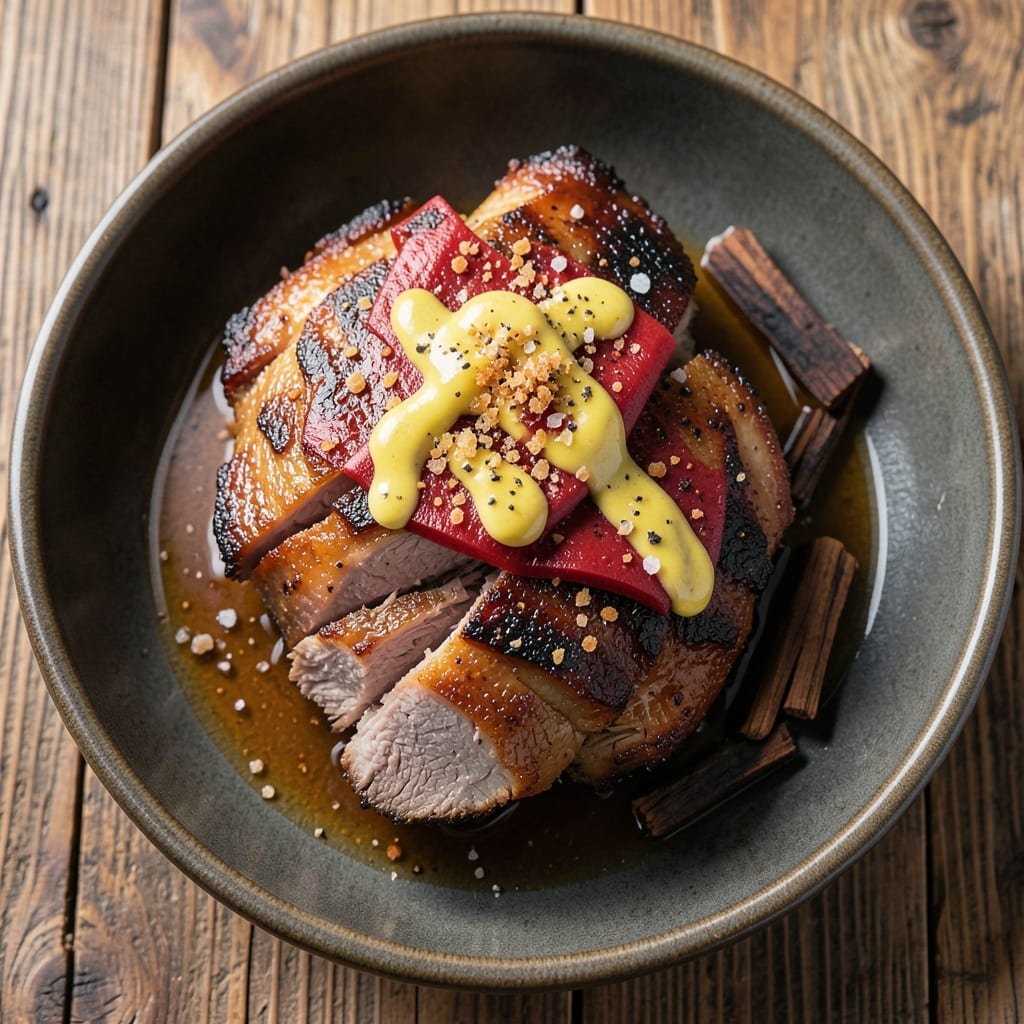
The best smoked pork shoulder recipe ever delivers that legendary crackling bark that shatters like glass when you slice—something that takes patience, precision, and the right technique. I've smoked hundreds of shoulders, and this method guarantees restaurant-quality results with a crisp exterior and melt-in-your-mouth tenderness inside. The secret lies in the rub, stall management, and letting the bark develop slowly over low heat.
What sets this recipe apart is the foolproof approach to bark formation—no guesswork, no burnt edges. We'll use a simple but potent spice blend that clings perfectly, then smoke the shoulder at a steady 225°F while managing the stall with strategic wrapping. The key is letting the bark form naturally without rushing, which transforms tough pork into fall-apart perfection. This isn't just pulled pork; it's a showstopper that'll have your guests begging for seconds.
By the time you're done, you'll have pork so tender it practically falls apart at the touch, with a bark so crispy it makes every bite worth the wait. The flavor? Deep, smoky, and perfectly balanced—no overpowering smoke or bland centers. This is the kind of pork that turns casual dinners into memorable meals, whether you're feeding a crowd or treating yourself to a Sunday feast. Let's get started on creating your best smoked pork shoulder yet.
Pair it with classic sides like tangy coleslaw, buttery cornbread, or slow-cooked baked beans for the full experience. The beauty of this recipe is its versatility—use it for sandwiches, tacos, or just as-is with a fork. Trust me, once you master this technique, you'll never buy store-bought again. Here's everything you need to know to nail it perfectly.
Ingredients for best smoked pork shoulder recipe ever
The secret to legendary smoked pork shoulder lies in these 14 ingredients—where science meets smoky magic.
| Ingredient | Amount | Notes |
|---|---|---|
| Pork Shoulder (Bone-In) 🥓 | 8 lb | Bone-in for maximum flavor |
| Yellow Mustard 🍯 | ¼ cup | For rub adhesion |
| Brown Sugar 🍚 | ½ cup | Light or dark variety |
| Smoked Paprika 🌶️ | 2 tbsp | High-quality for smoky depth |
| Kosher Salt 🧂 | 2 tbsp | Diamond Crystal preferred |
| Black Pepper 🌶️ | 1 tbsp | Freshly ground for best flavor |
| Garlic Powder 🧄 | 1 tbsp | Freshly ground preferred |
| Onion Powder 🧅 | 1 tbsp | For balanced sweetness |
| Ground Cayenne Pepper 🔥 | ½ tsp | Adjust for heat preference |
| Wood Chips (Hickory or Apple) 🌳 | 2 cups | Soaked for 30 minutes |
| Butcher Paper 📄 | 1 sheet | For stall management |
| Aluminum Foil 📦 | 1 sheet | Heavy-duty for wrapping |
| Apple Cider Vinegar 🍎 | ¼ cup | For final basting |
| Water 💧 | ½ cup | For basting mixture |
The pork shoulder makes or breaks this dish—bone-in is non-negotiable for maximum flavor penetration. Costco or local butchers usually carry the best cuts, but any grocery store with a meat counter will have it. Look for good marbling and ask for a cut with thick fat cap—this is what creates that coveted bark. If you're buying frozen, thaw it in the fridge for 24 hours—never at room temperature. The wood chips should be 100% natural, not the pre-soaked kind from packets. Traeger or Cookshack sell high-quality chunks that deliver that authentic smoke flavor without overpowering the pork.
No smoked paprika? Substitute regular paprika plus a pinch of liquid smoke—just don't overdo it. The mustard is crucial for helping the rub stick, but if you're allergic, use olive oil instead. For the browning sugar, light works best if you want subtle caramel notes, while dark gives deeper molasses flavor. The apple cider vinegar in the final basting is what transforms good pork into restaurant-quality pork—don't skip it. If you're short on time, you can use store-bought BBQ sauce for the final glaze, but trust me, the homemade vinegar mix is worth the extra minute. The butcher paper is your secret weapon during the stall—it lets the bark develop while keeping moisture in better than foil.
This pork is a make-ahead masterpiece—it actually tastes better the next day as all the flavors meld. Wrap the cooked shoulder tightly in foil and refrigerate for up to 4 days, or freeze for 3 months by portioning into vacuum-sealed bags. The bark stays crispy for about 2 days if stored properly, but it's best enjoyed fresh. For leftovers, shred it and use within 3 days—it's perfect for tacos, sandwiches, or even breakfast hash. The wood chips can be reused once dried out, and the rub ingredients keep indefinitely in airtight containers, making this a pantry-friendly recipe for your next smoke session.
Why You'll Love This Recipe
- Sweet-Smoky Magic: That brown sugar crust? It caramelizes into pure flavor gold. The mustard keeps it tender while the paprika adds this deep, woodsy warmth that makes every bite feel like a hug from your favorite cook.
- Leftovers That Win: This recipe actually begs for seconds—and then thirds. Shred it for tacos, sandwiches, or even breakfast hash. My kids fight over the scraps, and honestly, I don’t blame them.
- Budget Stretch: A bone-in pork shoulder is my wallet’s best friend. It’s cheaper than chicken thighs, feeds six, and turns into meals for days. Plus, the salt and spices cost pennies—just pure flavor bang for your buck.
Step-by-step instructions for smoked pork shoulder with restaurant-worthy bark
Here's how to transform that pork shoulder into melt-in-your-mouth perfection with a bark so crispy it'll make your guests ask for the secret.
Prepare the Dry Rub and Season the Pork
In a medium bowl, combine the 0.5 cup brown sugar, 2 tbsp smoked paprika, 2 tbsp kosher salt, 1 tbsp black pepper, 1 tbsp garlic powder, 1 tbsp onion powder, and 0.5 tsp ground cayenne pepper. Mix thoroughly until completely uniform. This blend creates the perfect balance of sweet, smoky, and spicy flavors that'll develop beautifully during the long cook.
Pat the 8 lb pork shoulder completely dry with paper towels—this is non-negotiable for crispy bark. Spread a generous layer of the 0.25 cup yellow mustard all over the meat, then press the dry rub firmly into every surface. The mustard acts as a binder that helps the rub stick and creates that signature sticky exterior. Let the seasoned pork rest uncovered in the refrigerator for at least 4 hours (overnight is even better). This resting period allows the rub to penetrate deeply and the meat to dry out slightly, both critical for that perfect bark.
Set Up the Smoker and Begin the Cook
Soak the 2 cups wood chips in water for 30 minutes before using. Preheat your smoker to 225°F using the soaked wood chips—hickory for bold flavor or apple for a fruitier profile. Place a water pan in the smoker to maintain moisture throughout the cook. When the temperature stabilizes and you see clean, blue smoke (not thick white), you're ready to load the pork.
Position the pork shoulder fat-side up on the smoker grates. The fat will render slowly and baste the meat, creating additional moisture and flavor. Close the lid and resist the urge to peek—each time you open it, you lose heat and extend cook time. Smoke the pork undisturbed for 6-8 hours, or until the internal temperature reaches 165°F. This is where the magic happens: the collagen breaks down, the bark develops, and the meat becomes fork-tender without drying out.
Manage the Stall and Wrap for Maximum Tenderness
Around the 6-hour mark, you'll hit "the stall"—the internal temperature plateaus between 160°F and 170°F as moisture evaporates. Don't panic; this is completely normal. At this point, wrap the pork tightly in the butcher paper (not foil—it breathes better and preserves that bark). This technique, known as the Texas crutch, helps you power through the stall while keeping that crispy exterior intact.
Return the wrapped pork to the smoker and continue cooking until the internal temperature reaches 200-205°F and a probe slides in like butter. This typically takes another 4-6 hours, but trust the probe test over the thermometer—tenderness matters more than temperature. The bark should be dark mahogany with crispy edges that crack slightly when you press with your thumb.
Rest and Prepare for Serving
Remove the pork from the smoker and transfer it to a cutting board. Tent loosely with foil and let it rest for at least 1 hour (I prefer 2 hours wrapped in towels in a cooler). This resting period allows the juices to redistribute throughout the meat, ensuring every slice is moist and flavorful. The bark will remain crispy while the interior becomes even more tender.
While the pork rests, prepare your serving mixture by combining the 0.25 cup apple cider vinegar and 0.5 cup water in a small bowl. Once the pork is ready to serve, brush this mixture generously over the bark. The acidity brightens the flavors and adds a subtle tang that cuts through the richness. Slice against the grain into ½-inch thick portions and serve immediately with your favorite sides.
Pro Tips For Making Best Smoked Pork Shoulder Recipe Ever
- Start with 225°F: This isn’t just a number—it’s the foundation. I used to jump straight to 250°F, thinking it’d speed things up, but I’d end up with uneven cooking and bark that burned before the meat tenderized. Keep it steady and low for the first 4-5 hours, even if your smoker’s thermometer lies to you. ---
- Rub It Down Hard: Don’t be shy with the yellow mustard and brown sugar mix. I learned this after my first attempt tasted bland—turns out, the mustard needs to cling to every crevice, and the sugar should be rubbed in thick enough to caramelize. Use about ¼ cup of the rub per pound, and press it into the meat like you’re giving it a massage. ---
- Skip the Crowding: Piling pork shoulder on top of itself in the smoker traps steam, and that’s how you end up with soggy bark. Give it space—even if it looks lonely at first. My first batch turned out greasy and dull because I crowded it like a sardine can. Leave at least 1 inch between pieces, and rotate the tray halfway through. ---
- Probe the Collarbone: The meat thermometer in the thickest part of the shoulder might read 200°F, but the collarbone area is where the game’s really won or lost. I’ve pulled pork too early because I trusted the wrong spot—now I check both. The collarbone should hit 195°F before you even think about wrapping it.
Serving suggestions for this recipe
Classic BBQ Spread
Serve your smoked pork shoulder with a classic BBQ sauce spread—I love using Sweet Baby Ray's Original for its perfect balance of tangy and sweet. Warm ½ cup BBQ sauce in a small saucepan with 1 tbsp apple cider vinegar until bubbly, then brush generously over each slice. The sauce soaks into the tender meat while adding a glossy finish that makes every bite shine. 🍯
Crunchy Slaw Contrast
A sharp, tangy coleslaw cuts through the richness of the pork beautifully. Toss 6 cups shredded cabbage with ½ cup mayonnaise, 2 tbsp apple cider vinegar, 1 tbsp Dijon mustard, 1 tsp sugar, and ½ tsp celery seed. Add ¼ cup diced red onion and ¼ cup chopped fresh parsley for brightness. Chill for at least 1 hour before serving to let flavors meld.
Buttery Cornbread
Warm, buttery cornbread is the ultimate pork shoulder companion. Mix 1 cup cornmeal, 1 cup all-purpose flour, 1 tbsp sugar, 1 tbsp baking powder, and ½ tsp salt. Whisk in 1 cup buttermilk and 2 tbsp melted butter, then pour into a greased 9-inch cast-iron skillet. Bake at 375°F for 20-25 minutes until golden. Serve warm with a pat of butter melting on top.
Slow-Cooked Beans
Creamy baked beans add heartiness to your spread. Simmer 2 cups navy beans (soaked overnight) with 1 cup tomato sauce, ½ cup molasses, ¼ cup apple cider vinegar, 1 tbsp brown sugar, and 1 tsp smoked paprika for 2 hours until tender. Stir in ½ cup diced bacon and ¼ cup chopped onion at the end. The smoky-sweet flavor pairs perfectly with the pork.
Fresh Garden Sides
If you're lucky enough to have a garden (like me!), fresh sides elevate the meal. Serve roasted zucchini with garlic and herbs, charred corn on the cob brushed with chili-lime butter, or a simple green salad with arugula, cherry tomatoes, and balsamic glaze. The freshness balances the smoky richness of the pork beautifully. 🌱
Dipping Sauces
Set up a dipping station with spicy mayo (mix ½ cup mayo with 1 tbsp hot sauce and 1 tsp honey) or creamy horseradish sauce (whisk ½ cup sour cream with 1 tbsp prepared horseradish and 1 tsp lemon juice). These sauces add extra flavor without overpowering the pork's natural taste. Perfect for sandwiches or eating with a fork!
Nutrition facts
Frequently asked questions about smoked pork shoulder
Can I use a different cut of pork for this recipe?
While pork shoulder is ideal, you can use pork butt (which is actually the upper shoulder) as a substitute—it's essentially the same cut. Avoid leaner cuts like tenderloin, as they lack the collagen needed for that melt-in-your-mouth texture. For a similar experience, try a 6-8 lb bone-in ham hock or pork picnic shoulder, though cooking times may vary slightly.
What's the best way to tell when the pork is done?
Use a meat thermometer to check internal temperature—it should read 200-205°F in the thickest part. The probe should slide in like butter, not pull back. Visual cues like bark color (dark mahogany) and the fat appearing creamy white also indicate doneness, but always trust the thermometer for accuracy.
How do I prevent my pork from drying out?
Keep the smoker temperature steady at 225°F and maintain a water pan inside. When you hit the stall (around 160-170°F
Can I make this in an oven instead of a smoker?
Yes! Preheat your oven to 275°F and use a meat thermometer to monitor temperature. Place the pork on a rack over a baking sheet with water below. Cook until it reaches 200-205°F, then rest before serving. For smokiness, add 1 tbsp liquid smoke to the rub or use a smoker box with wood chips.
How long will leftovers keep and how should I store them?
Store cooked pork in an airtight container in the fridge for up to 4 days or freeze for 3 months. The bark stays crispy for about 2 days if refrigerated. For leftovers, shred and use in tacos, sandwiches, or hash—just reheat gently with a splash of broth to prevent drying.