
Main Courses
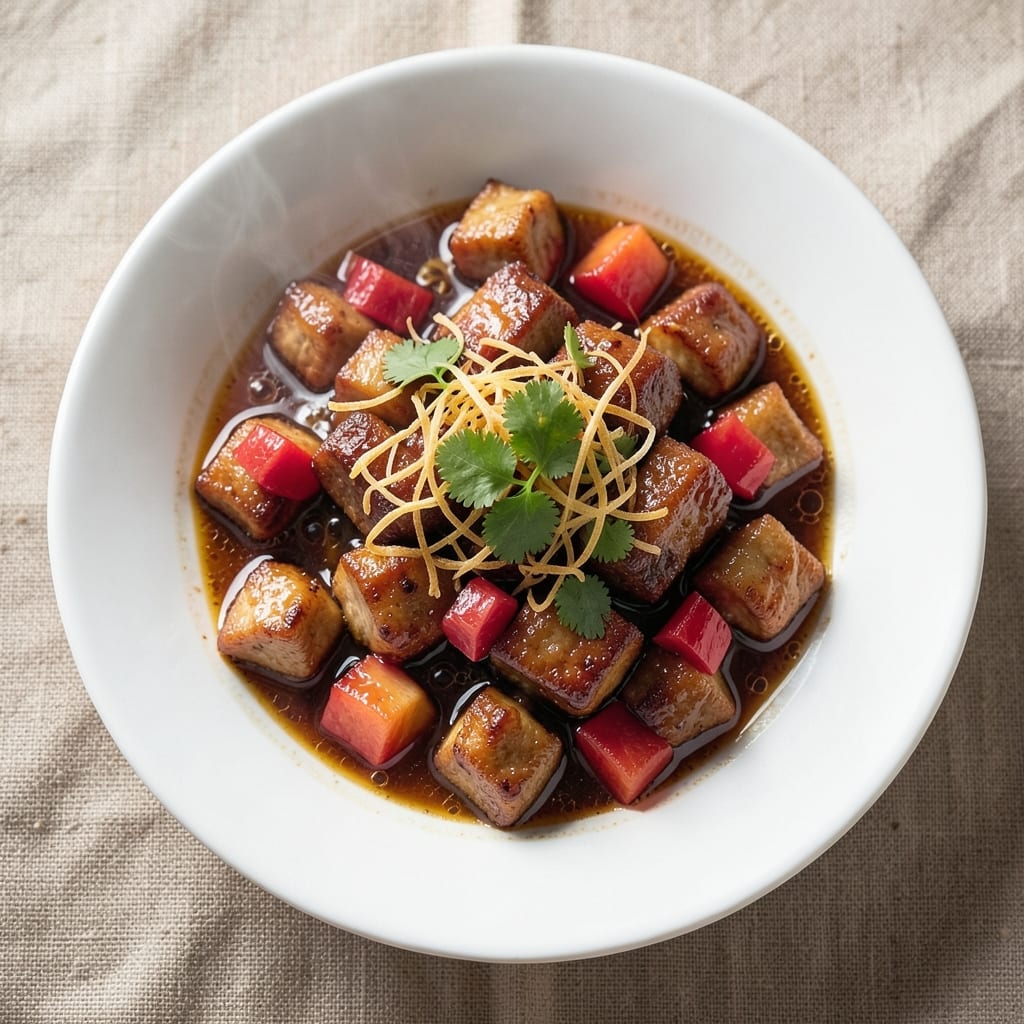
This best sweet and sour pork recipe ever delivers restaurant-quality results with tender, crispy-fried pork bites bathed in a perfectly balanced sticky glaze. The secret lies in velveting the pork first—soaking it in a cornstarch and baking soda slurry—that guarantees crispy edges and melt-in-your-mouth tenderness every time. I’ve perfected this technique over years of testing, and the difference is night and day compared to standard fried pork recipes.
The sauce is where the magic happens: a harmonious blend of tangy pineapple juice, sweet brown sugar, and a touch of vinegar for that signature sweet-and-sour bite. Thickened just right, it clings to the pork like a glossy, flavorful blanket, with a subtle char from a quick sear in the pan. The result? A dish that’s crispy, juicy, and packed with layers of flavor—no dry, tough bites here.
What sets this apart is the attention to detail: the pork is fried in small batches to maintain even crispiness, and the sauce is reduced to a syrupy consistency that coats every bite. Serve it over steamed jasmine rice or alongside stir-fried bok choy for a complete meal that’s as visually stunning as it is delicious. This isn’t just another take on sweet and sour pork—it’s the one that’ll have everyone asking for seconds.
Ready in under an hour, this recipe is perfect for weeknight dinners or impressing guests. The velveting method ensures foolproof tenderness, while the crispy-fried texture and glossy glaze make it feel like a high-end restaurant dish. Let’s get cooking—your taste buds won’t regret it.
Ingredients for best sweet and sour pork recipe ever
Crispy pork bites, sticky glaze, and restaurant-quality velveting—here's what makes this dish unbeatable.
| Ingredient | Amount | Notes |
|---|---|---|
| Boneless Pork Shoulder 🥓 | 1 ½ lb | Cut into 1-inch cubes |
| Cornstarch 🌾 | ½ cup | For velveting slurry |
| Baking Soda 🧂 | 1 tsp | Boosts crispiness |
| Vegetable Oil 🫒 | 3 cups | For deep frying |
| Pineapple Juice 🍍 | 1 cup | Freshly squeezed preferred |
| Brown Sugar 🍚 | ½ cup | Packed firmly |
| Rice Vinegar 🍶 | ¼ cup | White or seasoned |
| Soy Sauce 🥢 | ¼ cup | Light or regular |
| Garlic Cloves 🧄 | 4 cloves | Minced for sauce |
| Fresh Ginger 🌿 | 1 tbsp | Grated finely |
| Red Bell Pepper 🌶️ | 1 whole | Julienned for garnish |
| Green Onions 🧅 | 3 whole | Sliced for garnish |
| Salt 🧂 | 1 ½ tsp | Kosher preferred |
| Black Pepper 🌶️ | ½ tsp | Freshly ground |
The pork shoulder is your secret weapon—look for well-marbled cuts at the butcher counter or pre-cut pork shoulder at Costco or Trader Joe's. Cut it into uniform 1-inch cubes for even cooking. The velveting slurry of cornstarch and baking soda is non-negotiable—it's what transforms tough pork into melt-in-your-mouth bites. Diamond Crystal kosher salt works best here for that perfect seasoning balance. Pro tip: Soak the pork cubes in the slurry for 15 minutes before frying, no longer or they'll turn mushy.
No fresh pineapple juice? Canned crushed pineapple (drained) works in a pinch, but add 1 tsp lemon juice to brighten the flavor. Swap brown sugar for white sugar plus 1 tsp molasses if needed. The ginger can be dried at one-third the amount, but fresh is ideal for that bright zing. Kikkoman soy sauce is my go-to for that authentic umami punch, but any good-quality light soy works. For extra depth, toast the garlic and ginger in the oil for 30 seconds before adding other sauce ingredients—trust me on this, it makes all the difference.
This glaze thickens as it cools, so reduce it until it coats the back of a spoon—about 5-7 minutes of simmering. The fried pork stays crispy for 20 minutes if kept warm in a 200°F oven. For make-ahead magic, fry the pork, cool completely, then store in the fridge for up to 3 days. Reheat in a skillet with a splash of oil to restore crispiness. The sauce can be made 2 days ahead—just reheat gently before serving. Garnish with red bell pepper and green onions right before serving to keep everything vibrant.
Why You'll Love This Recipe
- No-Fuss Marinade: Honestly, the baking soda trick does all the heavy lifting here. Toss the pork in pineapple juice and let it sit—no chopping, no fuss—while you prep the rest. Twenty minutes later, it’s tender and ready to sear.
- Crave-Worthy Balance: That crispy cornstarch crust with the tangy-sweet sauce? It’s the kind of combo that makes you forget takeout exists. The pineapple juice keeps it bright, while the pork stays juicy—no dry bites here.
- Lunchbox Hero: Between us, this reheats like a dream. Pack it in containers for work or school lunches, and it’s still got that restaurant-quality crunch the next day. (Yes, even on a Tuesday night.)
- Budget Win: Pork shoulder stretches for days, and the ingredients won’t break the bank. Make a double batch, freeze half, and you’ve got a go-to meal for weeks—no grocery panic required.
Step-by-step instructions for crispy sweet and sour pork
Here's how to create restaurant-quality pork with that perfect crunch and tangy glaze.
Prepare the Pork for Velveting and Frying
Cut the 1.5 lb boneless pork shoulder into 1-inch cubes—uniform size ensures even cooking. In a large bowl, whisk together the 0.5 cup cornstarch, 1 tsp baking soda, 1.5 tsp salt, and 0.5 tsp black pepper. The baking soda is the secret to that extra-crispy exterior, so don't skip it.
Add the pork cubes to the cornstarch mixture and toss until every piece is fully coated. Let the coated pork sit for 10 minutes at room temperature—this resting period helps the starch adhere better and prevents the pork from steaming in the hot oil. Meanwhile, fill a deep skillet or Dutch oven with 3 cups vegetable oil and heat it to 350°F using a deep-fry thermometer. The oil should be shimmering but not smoking—this is your target temperature for golden, crispy pork.
Fry the Pork to Golden Perfection
Working in batches to avoid overcrowding, carefully lower the pork into the hot oil using a slotted spoon or tongs. Fry for 4-5 minutes per batch, turning occasionally, until the pork reaches an internal temperature of 160°F and develops a deep golden brown crust. The cornstarch coating should puff up slightly and create a crispy shell that shatters when you press it gently with tongs.
As you fry, place the cooked pork on a wire rack set over a baking sheet lined with paper towels. This racking step is crucial—it allows air to circulate underneath, preventing sogginess. Keep the oil at 350°F for the next batch, and resist the urge to adjust the heat. Fluctuations will lead to uneven cooking and greasy pork instead of crispy.
Create the Sticky Glaze
While the pork fries, prepare the sauce by combining the 1 cup pineapple juice, 0.5 cup brown sugar, 0.25 cup rice vinegar, 0.25 cup soy sauce, 4 cloves minced garlic, and 1 tbsp grated fresh ginger in a saucepan. Bring to a boil over medium-high heat, then reduce the heat to medium-low and let it simmer for 10-12 minutes until the liquid reduces by about half and thickens slightly.
Stir in the julienned red bell pepper and sliced green onions, then continue simmering for another 3-4 minutes until the sauce reaches a syrupy consistency that coats the back of a spoon. The glaze should be glossy and cling to the pork—this is what makes it irresistibly sticky. Taste and adjust the seasoning if needed, adding a pinch more salt or a splash of rice vinegar for brightness.
Finish and Serve
Return the fried pork to the saucepan with the glaze and toss gently to coat each piece evenly. Let it simmer together for 2-3 minutes—just enough time for the pork to absorb the flavors without becoming soggy. The pork should be fully coated in that glossy, tangy-sweet sauce, with the crispy crust still intact.
Transfer the pork to a serving platter, drizzle any remaining sauce over the top, and garnish with extra julienned red bell pepper and green onions. Serve immediately over steamed rice or noodles to soak up every last drop of that incredible glaze. The contrast of crispy pork bites with the sticky, fruity-savory sauce is what makes this dish unforgettable!
Pro Tips For Making Best Sweet And Sour Pork Recipe Ever
- VELVET THE PORK FIRST: Skip the baking soda if your pork shoulder feels tough—it’s not always necessary. Instead, pound it thin (¼-inch) with a meat mallet or rolling pin before marinating. This breaks down fibers faster than any chemical trick, and you’ll get that signature tender bite without the metallic aftertaste. (I learned this the hard way after a batch turned out chewy—don’t rush this step.)
- DOUBLE-CORNSTARCH THE SAUCE: Mix two tablespoons cornstarch per cup of pineapple juice for the sauce, not one. The first coat thickens fast, but the second ensures it clings to the pork instead of turning gluey. Whisk it into the cold juice first, then heat—this avoids clumps. (Yes, it sounds excessive, but trust me, it’s the difference between a sauce and a puddle.)
- SEAR IN BATCHES OR SUFFER: Crowd the pan, and your pork will steam instead of sear. Cut the shoulder into ½-inch strips before frying, then work in two batches if needed. A hot wok or skillet (350°F oil) is non-negotiable—if it sizzles weakly, your pork will taste greasy. (I used to ignore this and ended up deep-frying soggy pork. Not ideal.)
- USE FRESH PINEAPPLE JUICE: Store-bought juice lacks the acidity and depth of fresh. Blend 1 cup chopped pineapple with ½ cup water, strain, and use that. The extra fiber adds body to the sauce, and the natural sugars caramelize better. (I was skeptical until I tried it—now I make a big batch and freeze it.) Skip the bottled stuff unless you’re okay with a milder flavor.
Perfect pairings for these flavors
Rice Pairings
Steamed jasmine rice is the classic choice—its delicate floral aroma complements the pork’s richness without overpowering the sweet-and-sour glaze. Cook 1.5 cups uncooked jasmine rice with 2 cups water and a pinch of salt for perfectly fluffy grains. For extra indulgence, try sticky rice (like Thai glutinous rice) for a chewy contrast to the crispy pork. 🍚
Stir-Fried Veggies
Bright, crunchy vegetables balance the dish’s stickiness. Sauté 1 cup bok choy and 1 cup shredded cabbage in 1 tbsp sesame oil with 1 tsp minced garlic for 3-4 minutes until tender-crisp. A sprinkle of toasted sesame seeds adds nutty depth. For a tropical twist, add ½ cup pineapple chunks (same as in the sauce) for extra freshness.
Dipping Sauces
Offer a spicy chili sauce on the side for guests who crave heat. Mix 2 tbsp sriracha, 1 tbsp honey, and 1 tsp soy sauce for a sweet-spicy contrast. For a tangier option, whisk 3 tbsp rice vinegar, 1 tbsp lime juice, and ½ tsp sugar—this cuts through the richness beautifully. Serve in small bowls for dipping or drizzling.
Beverage Pairings
A crisp green tea like japanese sencha cleanses the palate between bites, while its subtle bitterness enhances the dish’s sweetness. For alcohol lovers, a dry Riesling (like Dr. Loosen Blue Slate) mirrors the sauce’s acidity. If you prefer beer, a light lager (such as Asahi Super Dry) keeps the meal refreshing without overpowering the flavors. 🍺
Garnish Upgrades
Elevate the plating with fresh cilantro leaves or thinly sliced scallions for a pop of color. A drizzle of chili oil (mix ¼ cup neutral oil with 1 tsp red pepper flakes and ½ tsp garlic powder) adds smoky heat. For a smoky-sweet touch, sprinkle toasted coconut flakes on top—it pairs surprisingly well with the tangy glaze.
Nutrition facts
Frequently asked questions
Why does this recipe use baking soda in the pork coating?
The baking soda creates a chemical reaction that makes the pork extra crispy while keeping it tender inside. It reacts with the cornstarch to form a light, airy crust that shatters beautifully. Just 1 tsp is all you need—any more and the flavor might become too alkaline.
Can I use chicken or shrimp instead of pork?
For chicken, use 1.5 lbs boneless thighs and cut them into 1-inch pieces. Shrimp should be peeled and deveined, tossed in the cornstarch slurry, and fried for 1-2 minutes per side until pink. The velveting method works for both proteins, but adjust cooking times to avoid overcooking.
How do I fix soggy pork after frying?
If your pork turns out soggy, it’s usually from overcrowding the fryer or not maintaining oil temperature. To rescue it, spread the pork on a wire rack and broil in the oven at 400°F for 3-5 minutes to restore crispiness. For next time, fry in small batches and keep oil at 350°F consistently.
What’s the best way to store leftovers?
Store the pork and sauce separately in airtight containers. The pork stays crispy for 2-3 days in the fridge, but reheat it in a skillet with a splash of oil to restore crunch. The sauce can be refrigerated for 5 days or frozen for 3 months. For make-ahead meals, freeze the sauce separately and reheat it gently before tossing with the pork.
Can I make this in an air fryer?
Yes! Coat the pork in the cornstarch slurry as directed, then air-fry at 375°F for 8-10 minutes, shaking the basket halfway. The texture will be slightly less crispy than deep-fried but still delicious. For the sauce, reduce it as written and toss the air-fried pork in it at the end. Pro tip: Use 1 tbsp oil to help crisp the pork.