
Main Courses
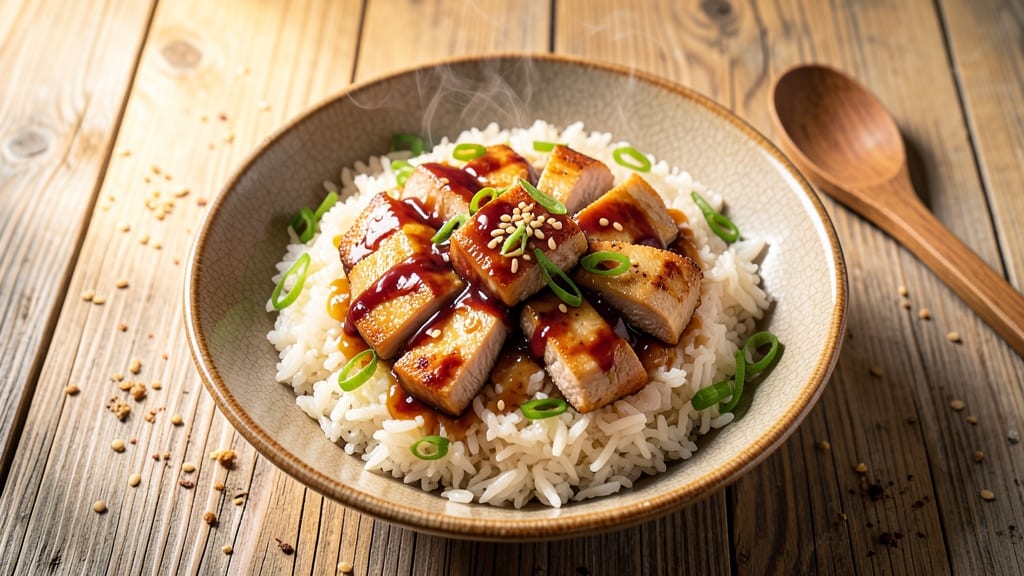
This Chinese sticky rice with pork recipe delivers the perfect balance of chewy glutinous rice and tender, fragrant pork glazed in a five-spice-infused sauce. The secret lies in properly steaming the rice until just sticky—not mushy—and searing the pork until caramelized for depth of flavor.
I developed this version after years of perfecting the texture contrast between the two components, ensuring each bite has both substance and harmony.
The process starts with preparing the rice—soaking glutinous rice until pliable, then steaming it to achieve that signature chewy yet tender texture. Meanwhile, the pork is marinated in a blend of soy sauce, Shaoxing wine, and five-spice powder before being quickly seared to lock in juices.
The real magic happens when the pork is glazed with a reduction of brown sugar and hoisin, creating a glossy, aromatic coating that complements the rice perfectly.
What you'll end up with is a dish that's both comforting and impressive—golden-brown pork slices resting on a bed of perfectly steamed sticky rice, all tied together with a fragrant glaze. The five-spice blend adds warmth and complexity, while the slight sweetness of the glaze balances the savory pork.
This recipe is designed to deliver restaurant-quality results at home, with techniques that are approachable yet professional.
Serve with pickled vegetables for acidity or a drizzle of soy sauce for extra umami. The presentation is simple yet striking—just arrange the pork slices over the rice and garnish with sesame seeds. Here's how to make it step by step, ensuring every element comes together seamlessly.
Ingredients for chinese sticky rice with pork
Pantry staples meet authentic Asian flavors for this restaurant-quality Chinese sticky rice dish.
| Ingredient | Amount | Notes |
|---|---|---|
| Glutinous Rice 🍚 | 1 ½ cups | Uncooked, medium-grain preferred |
| Pork Shoulder 🥩 | 1 ½ lb | Boneless, cut into 1-inch cubes |
| Light Soy Sauce 🥄 | ½ cup | For marinade and glaze |
| Shaoxing Wine 🍷 | ¼ cup | Substitute dry sherry if unavailable |
| Brown Sugar 🍯 | ½ cup | Packed, for glaze |
| Hoisin Sauce 🥄 | ¼ cup | For glaze depth |
| Five-Spice Powder 🌶️ | 1 ½ tbsp | Authentic blend for aroma |
| Sesame Oil 🫒 | 1 tbsp | Toasted, for finishing |
| Fresh Ginger 🧄 | 2 tbsp | Minced, for marinade |
| Garlic Cloves 🧄 | 6 cloves | Minced, for marinade |
| Neutral Oil 🫒 | 2 tbsp | Peanut or vegetable oil |
| Black Vinegar 🍶 | 1 tbsp | For balance |
| Toasted Sesame Seeds 🌾 | 1 tbsp | For garnish |
| Salt 🧂 | 1 tsp | Kosher or sea salt |
| White Pepper 🌶️ | ½ tsp | Freshly ground |
The pork shoulder is non-negotiable for texture—Costco or Asian markets carry the best cuts. Look for well-marbled meat with even fat distribution. If you can't find Shaoxing wine, dry sherry works perfectly—just ensure it's not overly sweet. For the rice, medium-grain glutinous rice from Asian grocery stores gives the best chew, but Bob's Red Mill works too. The five-spice powder should be authentic Chinese blend—Penzeys or bulk sections at H Mart are reliable sources. Fresh ginger and garlic are essential for brightness, so don't skip them unless you're using high-quality paste.
No Shaoxing wine? Dry sherry or even a splash of apple juice in a pinch. The brown sugar can be swapped for white sugar, but it won't caramelize as beautifully. For extra depth, add 1 tsp of Chinese rice wine vinegar to the glaze. The sesame oil matters—toasted sesame oil adds nutty aroma, while regular won't cut it. If you're short on time, pre-mince the ginger and garlic using a food processor. The black vinegar is crucial for balance, but if you can't find it, a mix of rice vinegar and a pinch of sugar mimics the effect.
Pork cubes keep 2 days in the fridge—marinate overnight for best results. The glutinous rice must be soaked 4+ hours before steaming, or it'll turn gummy. Store leftover pork in an airtight container with a thin layer of glaze to prevent drying. Reheats beautifully—microwave 1-2 minutes with a splash of water. Garnish with sesame seeds right before serving, as they lose crunch when stored. This dish tastes even better the next day as flavors meld.
Why You'll Love This Recipe
- One-Pot Magic: I swear by this recipe because it’s literally one pot—no fancy tools, no last-minute scrambling. Just soak the glutinous rice, toss it with the pork shoulder (already marinated in soy sauce and Shaoxing wine), and let it steam. The rice clings to the pork like it’s been glued there, but honestly? No glue involved. Just patience.
- Sweet-Savory Balance: That caramelized brown sugar glaze on the pork? It’s where this dish gets its soul. The sticky rice soaks up the sauce like a sponge, giving every bite a mix of smoky pork, a hint of wine brightness, and just enough sweetness to make it feel like a hug. (Yes, even on a Tuesday night.)
- Lunchbox Hero: Here’s what sold me—this keeps perfectly for days. Pack the leftovers cold for work, and the pork stays tender while the rice holds its chewy texture. My kids actually ask for it in their bento boxes, which, between us, is basically winning at parenting.
- Budget Stretch: Pork shoulder is cheap, glutinous rice is cheap, and a bottle of Shaoxing wine lasts forever if you’re not drinking it all. I’ve made this feed six people for under $15, and it’s the kind of dish that makes you look like a pro without breaking the bank. Plus, the leftovers turn into fried rice the next day—no waste, all flavor.
Step-by-step instructions for Chinese sticky rice with pork
Master this fragrant dish with perfectly tender pork and chewy rice infused with five-spice aroma.
Prepare the Pork Marinade and Glaze
In a mixing bowl, combine the 1.5 lb pork shoulder cut into 1-inch cubes, 0.5 cup light soy sauce, 0.25 cup shaoxing wine, 2 tbsp minced fresh ginger, 6 cloves minced garlic, 1.5 tbsp five-spice powder, 1 tsp salt, and 0.5 tsp white pepper. Mix thoroughly until the pork is evenly coated and the marinade clings to each piece. Cover and refrigerate for at least 4 hours or overnight - this ensures deep flavor penetration and tender meat.
In a separate small bowl, whisk together 0.5 cup packed brown sugar, 0.25 cup hoisin sauce, 1 tbsp black vinegar, and 1 tbsp toasted sesame seeds to create the glaze. Set aside until ready to use. The sugar will caramelize beautifully when cooked, creating that signature sticky glaze we're after.
Cook the Glutinous Rice
Rinse the 1.5 cups glutinous rice under cold water until the water runs clear, then drain well. This removes excess starch that would make the rice gummy. Transfer the rice to a pot and add 2 cups water (just enough to cover the rice by about 1 inch). Bring to a boil over medium-high heat, then reduce to a gentle simmer and cover tightly with a lid.
Cook for 20-25 minutes until the rice absorbs all the water and becomes translucent but still slightly chewy. The rice should be tender but not mushy - you'll want to be able to pull it apart easily with your fingers. If it's not done after 25 minutes, add 2-3 tablespoons water and cook another 5 minutes. Once cooked, spread the rice on a tray to cool slightly while you prepare the pork.
Sear and Braise the Pork
Heat 2 tbsp neutral oil in a large, heavy-bottomed skillet or wok over medium-high heat until shimmering. Working in batches if needed, add the marinated pork and sear for 3-4 minutes per side until deeply golden brown. The pork should release easily from the pan when ready to flip - this indicates proper doneness at this stage.
Transfer the seared pork to a plate and set aside. In the same skillet, pour in 0.25 cup shaoxing wine (reserved from marinade) and scrape up any browned bits from the bottom with a wooden spoon. Return the pork to the skillet and pour in 1 cup water. Bring to a simmer, cover, and reduce heat to low. Braise for 45-50 minutes until the pork is fork-tender and the sauce has thickened slightly.
Glaze and Finish the Dish
Remove the pork from the braising liquid and transfer it to a serving platter. Skim off any excess fat from the braising liquid, then return the liquid to the skillet and bring to a gentle simmer over medium heat. Add the prepared glaze mixture and simmer for 3-4 minutes until it thickens slightly and becomes glossy.
Pour the glaze over the pork and toss gently to coat. Drizzle with 1 tbsp toasted sesame oil and sprinkle with an additional 1 tbsp toasted sesame seeds. Serve immediately alongside the cooked glutinous rice, allowing diners to mix the rice and pork together on their plates. The contrast of chewy rice with tender, aromatic pork creates the perfect balance in every bite.
Pro Tips For Making Chinese Sticky Rice With Pork
- SOAK THE RICE OVERNIGHT: I used to skimp on this, thinking an hour would do—but that’s how you end up with gummy, uneven sticky rice. Glutinous rice needs 12+ hours in water (not just warm) to break down properly. Drain right before cooking, and you’ll get that perfect chewy texture without a fight.
- CUT PORK INTO UNIFORM BITS: Big chunks hide in sticky rice like bad secrets. Aim for 1.5-inch cubes, and slice them evenly so they cook at the same pace. If you’re lazy (like me), freeze the pork for 15 minutes first—it’ll slice cleaner than trying to force it with a hot knife.
- LOW AND SLOW FOR THE PORK: High heat sears the outside before the inside cooks, leaving you with dry, tough meat. After browning, drop the heat to medium-low and simmer uncovered. Let the pork render its own fat—this keeps it juicy and melts into the rice for real depth.
- STIR IN BROWN SUGAR LATE: Add it too early, and you’ll caramelize it into a bitter mess. Toss in the brown sugar only in the last 2 minutes of cooking, when the pork is nearly done. It’ll melt into a glossy glaze without turning the whole dish into a syrup. (Yes, even if you’re impatient—wait.)
Flavor customization for this chinese sticky rice with pork
Spice Level Control
Adjust the five-spice powder to your preference—start with 1.5 tbsp for a balanced aroma, but reduce to 1 tsp if you dislike strong spice notes. For extra heat, add ½ tsp chili flakes to the glaze or sprinkle Sichuan peppercorns over the pork before serving.
I often toast the five-spice powder in a dry pan for 30 seconds to deepen its flavor before using it. 🌶️
Sweet-Savory Balance
Control the sweetness by adjusting the brown sugar—reduce to ¼ cup for less sweetness or increase to ⅔ cup for a richer glaze. For a tangy twist, add 1 tsp rice vinegar to the glaze.
If you prefer umami over sweetness, replace half the brown sugar with hoisin sauce or fermented black beans. I’ve found that 1 tsp soy sauce in the glaze adds depth without overpowering.
Umami Boosters
Enhance the savory depth by adding 1 tbsp fermented soybean paste (chunjiao) or 1 tsp fish sauce to the marinade. For a vegetarian-friendly version, swap pork for mushrooms or tofu, then boost umami with 1 tbsp mushroom powder in the glaze. I’ve also used 1 tsp dried shrimp in the marinade for extra complexity—just
Texture Variations
For crispier rice, pan-fry the cooked glutinous rice in 1 tbsp neutral oil until golden before serving. To make the pork extra tender, braise it for an additional 15 minutes with ½ cup coconut milk in the sauce. If you prefer a firmer rice texture, steam it for 10 minutes less and let it rest uncovered for 5 minutes after cooking. 🍚
Regional Twists
For a Cantonese-style version, replace the five-spice powder with 1 tsp star anise and ½ tsp cinnamon, and add 1 tsp honey to the glaze. In Sichuan, you’d spice it up with 1 tbsp doubanjiang (fermented chili bean paste) and 1 tsp gochujang for a fiery kick.
I’ve also seen Hainanese adaptations where the rice is lightly charred on the edges for smoky contrast. 🔥
Nutrition facts
Frequently asked questions
Can I substitute regular rice for glutinous rice?
Never use regular rice—it lacks the signature chewy texture that makes this dish special! Glutinous rice (also called sweet rice) has a higher starch content that creates that perfect sticky-yet-firm bite. If you absolutely must substitute, try short-grain sushi rice cooked with 1 tbsp extra sugar per cup, but the texture won't be identical.
How do I prevent the sticky rice from turning gummy?
Overcooking is the #1 culprit! Rinse the rice thoroughly before cooking to remove excess starch, and use the gentle simmer method—never boil vigorously. Cook until the rice is just translucent (20-25 minutes), then let it rest 10 minutes covered before serving. If it's still too soft, spread it on a tray and cool slightly before serving.
Can I make this dish ahead of time?
Yes, but separately! The pork can be marinated and cooked up to 2 days ahead—store it in an airtight container with its braising liquid. Reheat gently in a skillet with a splash of water. The rice is best made fresh, but you can cook it 1 day ahead, then reheat by steaming for 5 minutes covered. Combine only when ready to serve.
What's the best way to cut the pork for even cooking?
Cut the pork shoulder into 1-inch cubes for even cooking—smaller pieces (½ inch) will cook faster but may dry out. Use a sharp knife and cut against the grain for tender bites. For extra flavor, trim any large fat deposits before marinating. If your pork has thick fat marbling, leave some intact to keep the meat juicy during braising.
How do I fix undercooked pork?
If your pork is still tough after braising, don't panic! Return it to the skillet with ½ cup water and simmer uncovered for 15-20 minutes more. For extra tenderness, add 1 tbsp cornstarch mixed with 2 tbsp water to thicken the sauce and help break down the meat fibers. Alternatively, shred the pork and serve it over the rice for a different texture.